


Breast Pump Market is Poised to Experience Huge Global Growth from 2035
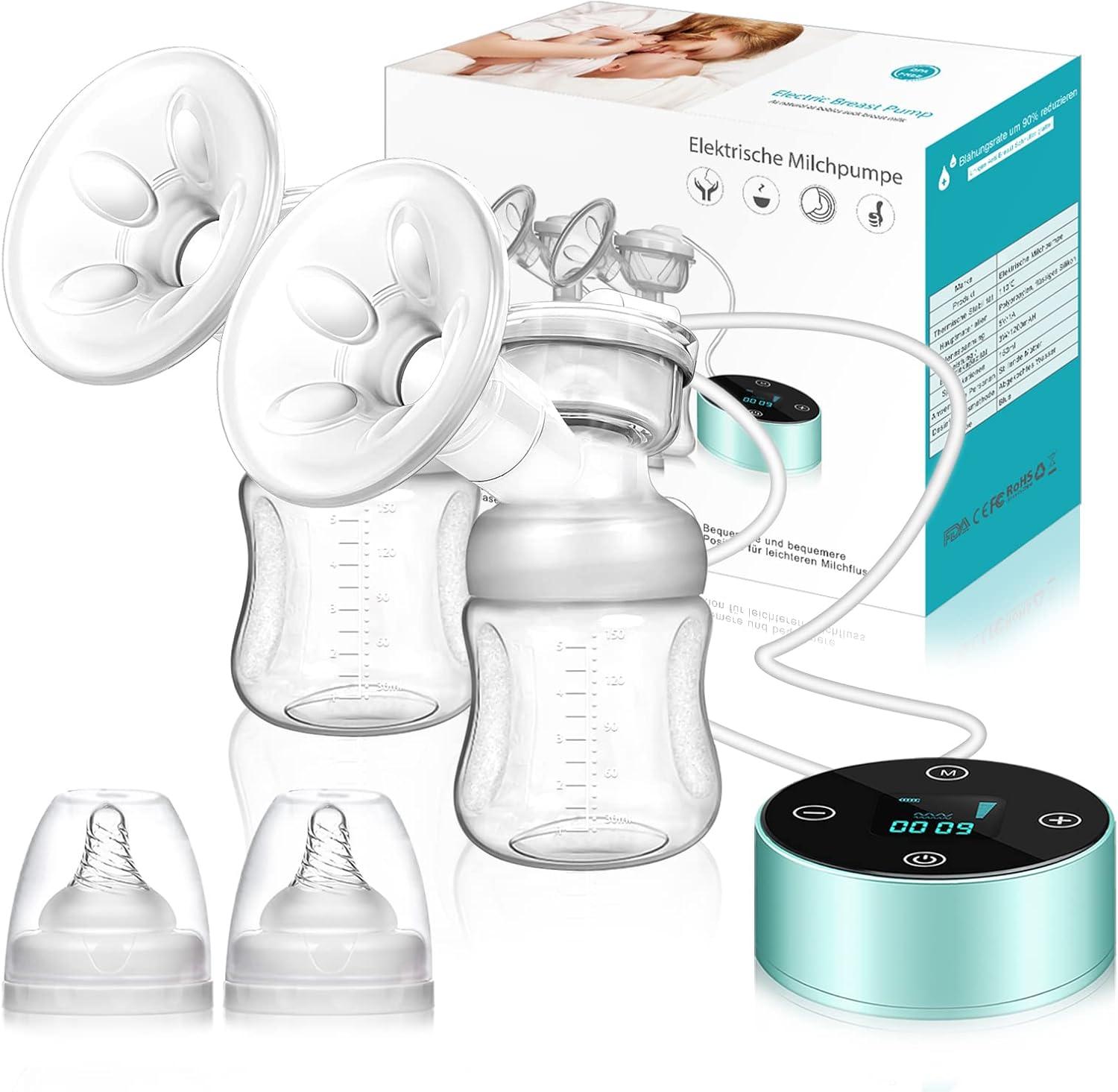
Executive Summary: A Globally Fragmented Growth Story
The global Breast Pumps Market is defined by stark regional differences in access, regulation, and purchasing behavior. While innovation drives technology toward wearable, app-connected devices, the market's commercial success hinges on navigating complex health insurance and regulatory frameworks across key geographic areas.
-
2024 Valuation: The market was valued at US$ 3.2 Billion in 2024.
-
Forecasted CAGR: It is estimated to grow at a steady CAGR of 8.9% from 2025 to 2035.
-
2035 Projection: The market is projected to reach more than US$ 8.0 Billion by the end of 2035.
This robust CAGR is supported by volume growth in developing markets and premiumization in developed markets, alongside the necessity for all players to meet stringent global medical device certifications.
Market Dynamics: Regulation as a Barrier to Entry
Unlike general consumer electronics, the breast pump industry operates under strict guidelines, classifying pumps as medical devices. This regulatory environment acts as a significant barrier to entry, ensuring product safety but constraining rapid innovation.
-
Regulatory Imperative: Compliance with agencies like the FDA (U.S.) and securing the CE Mark (Europe) is mandatory. The process is lengthy and costly, favoring established MedTech companies with dedicated compliance departments. This protects incumbent market leaders.
-
The Service Model Shift: The growth is increasingly moving from the one-time sale of the pump unit to the high-margin, predictable revenue streams from accessories, consumables, and parts. Consumables (like membranes, tubing, and flanges) require frequent replacement, creating a robust, essential aftermarket that fuels long-term market value.
-
Lactation Support Integration: Market leaders are partnering with telehealth and lactation consulting services to offer a holistic digital support package. This moves the business model toward a subscription-based "Lactation-as-a-Service" approach, justifying premium pricing and driving customer loyalty.
Regional Analysis: North America vs. APAC
The dynamics of breast pump adoption are highly dependent on regional healthcare funding mechanisms:
A. North America (Volume Driven by Insurance)
|
Channel |
Value Contribution |
Key Trends |
|---|---|---|
|
Insurance/DME |
High volume, lower average sale price (ASP) at purchase. |
Dominated by the Affordable Care Act (ACA) mandate, which ensures pumps are covered by insurance, driving high market penetration but keeping competition focused on contract pricing. |
|
Retail/DTC Premium |
High ASP, lower volume. |
Used primarily for secondary, high-end wearable pumps not covered by insurance. This channel captures the premiumization trend. |
B. Asia Pacific (APAC) (Growth Driven by Out-of-Pocket)
|
Channel |
Value Contribution |
Key Trends |
|---|---|---|
|
Retail/E-commerce |
Fastest growing segment, high average selling price. |
Lower government-mandated insurance coverage means sales are primarily out-of-pocket. Consumers rely heavily on peer reviews and KOL (Key Opinion Leader) marketing, favoring international brands known for quality. |
|
Hospital Rental |
Limited use. |
Less established rental ecosystem compared to Western markets, leading to greater focus on consumer purchase. |
Segmentation Focus: Consumables and Accessories
Within the core product categories, the highest revenue concentration is shifting. The market is increasingly segmented not just by the pump type, but by the associated supplies:
|
Segment |
Market Status |
Strategic Importance |
|---|---|---|
|
Flanges and Connectors |
Critical/High Growth |
Innovation focused on ergonomics and material science to maximize comfort and fit, essential for personalization and injury prevention. |
|
Milk Storage (Bags/Bottles) |
High volume/Consistent demand. |
Core consumables ensuring predictable, recurring revenue, crucial for long-term financial stability. |
|
Motor Unit (Hardware) |
Mature/High Barrier to Entry |
The foundational asset. Competition is driven by battery life, noise reduction, and compliance, but subsequent revenue growth comes from accessories. |
Future market dominance will be secured by companies that can successfully secure regulatory approvals across multiple regions and establish an efficient, global supply chain for both the hardware and its essential, high-turnover consumables.

 Arabic
 French
 Spanish
 Portuguese
 Deutsch
 Turkish
 Dutch
Dutch
 Italiano
 Russian
 Romaian
 Portuguese (Brazil)
 Greek
Greek