


The Evolution of Self Storage Over the Last 50 Years
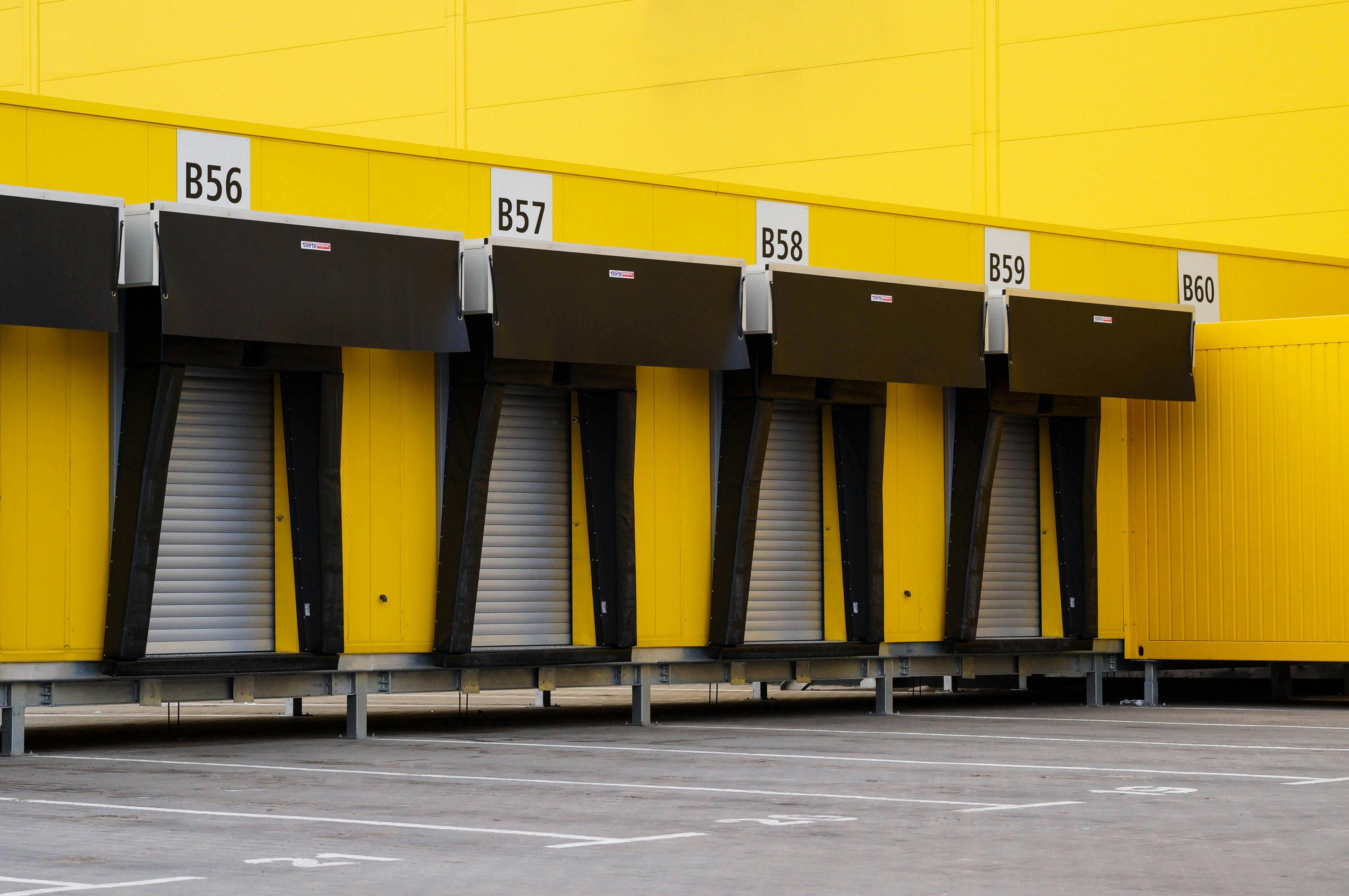
Half a century ago, if you told someone you were going to rent a small concrete room to store your spare furniture, they'd have looked at you sideways. Today, self storage is a multi-billion-dollar global industry woven into the fabric of everyday life — as unremarkable and necessary as a gym membership or a post office box. The journey from those first corrugated metal sheds to the climate-controlled, digitally managed facilities you find when searching self storage near me is a fascinating story of shifting economies, changing lifestyles, and a society accumulating more stuff than it knows what to do with.
The Humble Beginnings: 1960s and 1970s
The modern self storage industry traces its roots to the United States in the mid-1960s, most historians crediting the opening of A-1 U-Store-It U-Lock-It U-Carry-the-Key in Fort Lauderdale, Florida, around 1958 to 1964. The concept was almost laughably simple: a row of garage-like units, a padlock, and a monthly fee. There was no air conditioning, no security cameras, no online booking — just four walls, a roll-up door, and a padlock.
Through the 1970s, the industry began its quiet expansion across America's Sun Belt, fuelled largely by population movement. As families relocated for work, military deployments, or retirement, they needed somewhere temporary to park their possessions. Storage units filled that gap. The business model was attractive to developers too — the buildings were cheap to construct, required minimal staffing, and generated predictable monthly income.
Australia was not far behind. By the late 1970s, the concept had begun to take hold in major cities, initially catering to small businesses needing overflow space and households in the middle of relocations. The idea was practical, even if somewhat unglamorous.
The 1980s: The Industry Finds Its Footing
The 1980s were transformative years for self storage. In the United States, the industry grew from a niche curiosity into a recognised asset class. Real Estate Investment Trusts (REITs) began acquiring storage portfolios, professionalising an industry that had until then been largely made up of independent mom-and-pop operators.
In Australia, urbanisation was accelerating. Apartment living was becoming more common in Sydney and Melbourne, and with smaller living spaces came less room for seasonal items, sporting equipment, and heirlooms that families weren't ready to part with. The demand for Storage units in NSW started to build meaningfully during this decade, particularly in the outer suburbs where land was more affordable and growing populations were on the move.
Security also started to evolve during this period. Perimeter fencing, rudimentary alarm systems, and on-site managers became more standard. The industry was slowly acknowledging that people were storing things of real value — and those people expected a baseline of protection.
The 1990s: Going Mainstream
If the 1980s were the industry's adolescence, the 1990s were its coming-of-age. Consumer culture was booming, credit was becoming easier to access, and households were accumulating goods at a pace that outstripped the square footage of their homes. Self storage stopped being something you used only during a move — it became a long-term solution for people who simply had more than they could fit.
In Australia, the industry began to mature structurally. National operators started to emerge, bringing with them standardised pricing, improved facilities, and marketing budgets. The typical storage facility of the 1990s still was not anything to write home about aesthetically — boxy, industrial, often located in commercial strips — but it was functional, and the value proposition was clear.
One significant shift during this decade was the growing involvement of businesses. Retailers, tradespeople, and small enterprises began using storage units as satellite warehouses. A plumber storing pipe fittings, a retailer keeping excess stock between seasons — commercial use cases were multiplying. This foreshadowed the kind of offerings you see today, such as dedicated commercial storage in Ingleburn, where businesses can access flexible, professional-grade space without committing to the overhead of a traditional warehouse lease.
The 2000s: Digital Disruption Begins
The internet changed everything, and self storage was no exception. The early 2000s saw the first wave of storage companies building websites and allowing customers to compare prices and availability online. For an industry that had always relied on signage and Yellow Pages listings, this was a seismic shift.
Online reviews began to hold real weight. A facility with poor lighting, unreliable access hours, or indifferent staff could no longer hide behind geographic convenience. Customers could research, compare, and read testimonials before setting foot on a property. This accountability pushed operators to improve — better lighting, better access hours, better customer service.
In Australia, the industry was also beginning to benefit from the strong property market. As home prices surged in Sydney and other major cities, people were downsizing or renovating frequently, and storage became a practical buffer during these life transitions. Facilities in suburban corridors, particularly around logistics hubs in south-western Sydney, started to grow rapidly.
Climate-controlled storage — once a premium product — began to trickle down to mid-market operators. Wine collectors, document archives, artwork, electronics, pharmaceutical stock: anything sensitive to heat, humidity, or pests now had purpose-built environments to call home.
The 2010s: The Decade of Sophistication
By the 2010s, self storage had completed its transformation from a utilitarian commodity into a service industry with real brand identity. Facilities began to look more like contemporary commercial buildings than warehouses. Lobbies were clean and well-lit. Trolleys and lifts were standard. Some operators even offered coffee machines in their reception areas.
Technology integration accelerated dramatically. Automated access systems replaced manned gates. Customers could manage accounts, pay invoices, and raise service requests through dedicated apps. CCTV became sophisticated and comprehensive. Individual unit alarms — tied directly to management systems — became increasingly common.
The concept of affordable self storage in Campbelltown and similar suburban markets became increasingly viable as competition in outer metropolitan areas drove prices down and quality up. What had once been a premium service available only near major CBDs was now accessible to a much broader range of customers — students, retirees, small business owners, and families caught in the ebb and flow of life transitions.
The sharing economy also had an unexpected influence. Platforms like Airbnb meant people were clearing homes for short-term rentals, needing temporary storage. Remote work trends were beginning to stir — a decade before the pandemic made them universal — with more people converting spare rooms into home offices and needing somewhere for displaced furniture.
The 2020s: Post-Pandemic Reinvention
The COVID-19 pandemic did something unexpected for self storage: it turbocharged demand. Lockdowns and work-from-home arrangements prompted a mass rethinking of living spaces. People began decluttering, renovating, and reconfiguring their homes — and they needed somewhere to put things while they did it.
Simultaneously, retail businesses pivoted to e-commerce, and small online retailers discovered that a storage unit served as a far more economical fulfilment base than a commercial lease. The line between residential and commercial use blurred further, and facilities responded by offering mixed-use units with power access, parcel acceptance services, and even co-working adjacencies.
In New South Wales, the growth of south-western Sydney as a major residential and commercial corridor has made the region one of the most dynamic self storage markets in the country. Infrastructure investment, population growth, and commercial development have all driven demand for flexible space solutions — both for households and enterprises of every size.
The integration of smart technology has continued at pace. Some facilities now use biometric access, AI-driven security monitoring, and IoT sensors that alert management to temperature fluctuations or unusual movement. Remote management tools mean that some modern facilities operate with a fraction of the on-site staff that would have been required twenty years ago.
What Has Not Changed — and Why That Matters
Through all of these changes, the fundamental appeal of self storage has remained constant: it offers flexibility. Unlike a commercial lease or a fixed property purchase, a storage unit can be rented month-to-month, scaled up or down, and vacated with minimal notice. For individuals navigating life's uncertainties and businesses managing variable demand, that flexibility is genuinely valuable.
The industry has also stayed grounded in trust. When someone hands over a key to their grandmother's furniture, their business records, or a collection they have spent decades building, they are placing real faith in a service provider. The facilities that have thrived over the past fifty years are almost always those that took that trust seriously — through transparent pricing, responsive management, and physical security that never felt like an afterthought.
The Road Ahead
Looking forward, the self storage industry is likely to continue evolving alongside the broader real estate and technology landscapes. Urbanisation will keep squeezing residential footprints. E-commerce will keep generating demand for flexible logistics solutions. Climate change is already prompting more businesses and individuals to think carefully about protecting sensitive assets. And demographic shifts — an ageing population, more single-person households, greater workforce mobility — all point to sustained, long-term demand.
What began as a row of padlocked sheds in Florida has grown into a global industry that quietly underpins the way millions of people live and work. It is an industry that reflects something real about modern life — our relationship with our possessions, our need for space, and the constant, often complicated business of managing change. Fifty years in, that story is still very much being written.

 English
 Arabic
 Spanish
 Portuguese
 Deutsch
 Turkish
 Dutch
Dutch
 Italiano
 Russian
 Romaian
 Portuguese (Brazil)
 Greek
Greek