


Build Resilience Like Andrew Huberman: Daily Neural Regeneration Tips
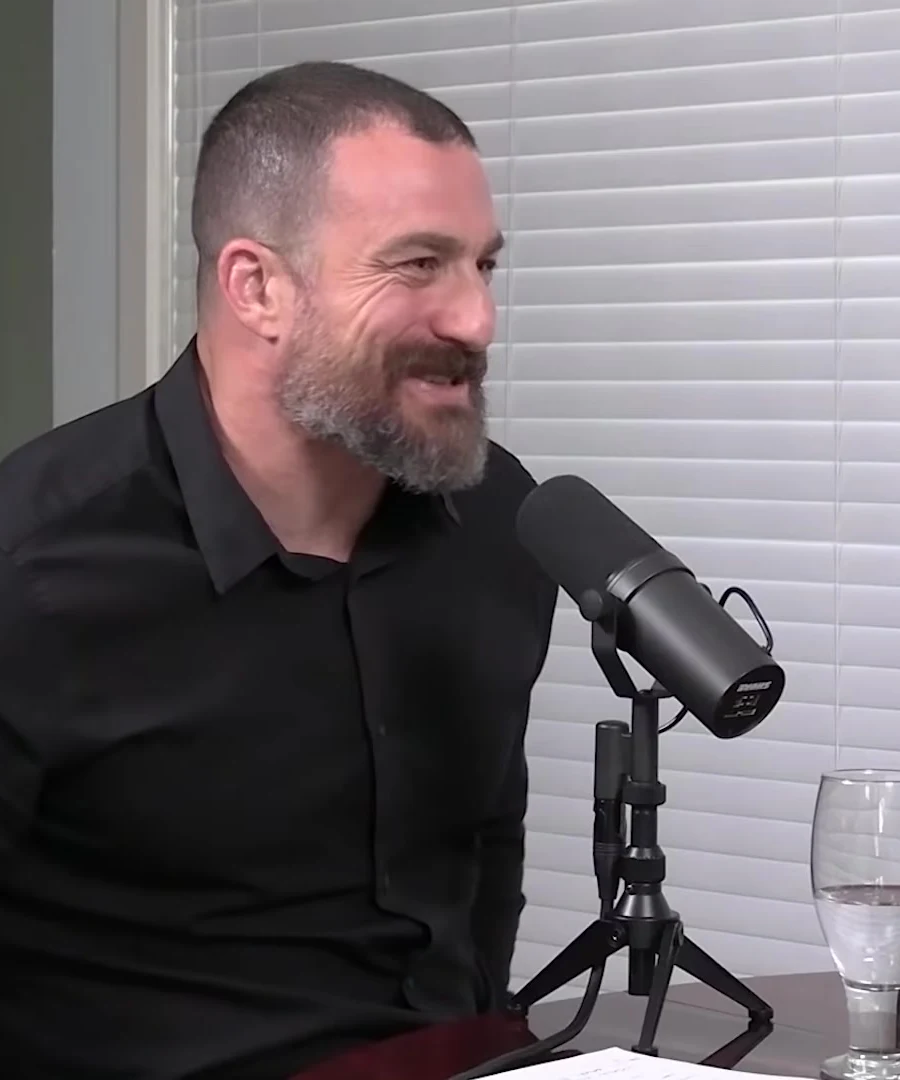
Resilience isn’t about being tough or ignoring pain. According to Dr. Andrew Huberman, true resilience is a biological process rooted in your nervous system’s ability to recover from stress, learn from challenge, and regenerate itself on a daily basis. The old view held that your brain slowly declined after young adulthood, but Huberman’s research and teachings have helped popularize a more hopeful picture: your neurons can repair, rewire, and even grow new connections throughout life, provided you give them the right conditions. The key is understanding that neural regeneration happens during specific windows—mostly during sleep and low-arousal wakefulness—and can be either supported or sabotaged by your daily habits. Below are practical, science-backed tips for building genuine resilience by helping your brain regenerate itself, drawn from Huberman’s lab findings and podcast discussions.
The Overlooked Power of Non-Sleep Deep Rest
One of Huberman’s most powerful tools for neural regeneration is a practice he calls Non-Sleep Deep Rest, or NSDR. This is a state of focused relaxation that falls somewhere between waking and sleeping. During NSDR, your brain produces theta waves, which are associated with deep healing, memory consolidation, and the release of growth hormones that repair neural tissue. Unlike napping, NSDR doesn’t require you to fall asleep, and it doesn’t leave you groggy afterward. A typical NSDR session lasts ten to twenty minutes and involves lying on your back, closing your eyes, and systematically relaxing each part of your body while maintaining gentle awareness of your breath. Huberman recommends doing NSDR once in the afternoon, especially on days when you feel mentally fatigued or emotionally drained. Over time, regular NSDR practice increases the density of gray matter in brain regions involved in emotional regulation, making you more resilient to daily stressors without becoming numb or disconnected.
Leveraging the 90-Minute Ultradian Rest Cycle
Resilience isn’t just about recovering from big traumas—it’s about managing the small wear and tear that accumulates throughout a normal day. Huberman points to research on ultradian rhythms, which show that your brain naturally cycles through periods of high focus and low focus every ninety minutes. During the low-focus phase, your brain clears out metabolic waste, strengthens synaptic connections, and prepares for the next cycle. Most people ignore these natural rest signals, pushing through with caffeine or willpower. This habit prevents neural regeneration and leads to the brittle kind of resilience that eventually cracks under pressure. Instead, Huberman suggests scheduling a five to ten minute true rest break every ninety minutes of focused work. True rest means no phone, no conversation, no reading—just closing your eyes, lying down if possible, or staring at a blank wall. These micro-rests allow your brain to complete its natural regeneration cycle, so you finish the day as sharp as you started, rather than running on fumes.
Morning Sunlight for Cortisol Rhythm Regulation
You might think of sunlight as something that wakes you up, but Andrew Huberman work shows that morning light also sets the stage for nighttime neural repair. The same morning sunlight that triggers alertness also sets the timing for your evening melatonin release. Without that strong morning signal, your cortisol rhythm flattens, meaning you never get the high peaks that drive daytime energy nor the deep valleys that allow for restorative sleep. More importantly for resilience, a flat cortisol rhythm impairs the brain’s ability to clear out inflammatory molecules that accumulate during waking hours. These molecules, if left unchecked, damage neurons and reduce neuroplasticity. Getting ten to twenty minutes of morning sunlight within an hour of waking—outdoors, without sunglasses—is one of the simplest and most effective daily tips for neural regeneration. It costs nothing, takes almost no time, and pays dividends in both daytime resilience and nighttime repair.
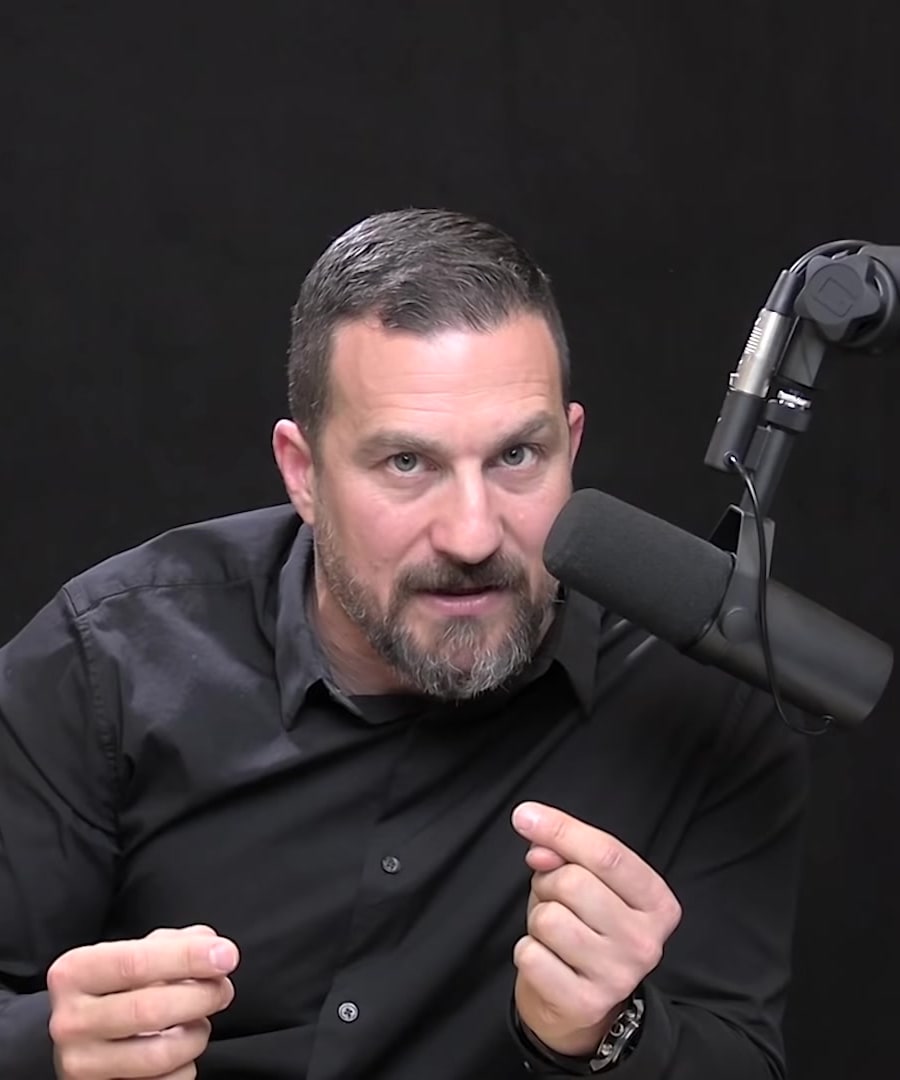
Cold Exposure for Mood and Recovery Balance
Cold exposure appears in many of Huberman’s protocols, but for neural regeneration specifically, it serves a unique purpose. A brief cold shower or ice bath triggers the release of norepinephrine and dopamine, which not only sharpen focus but also promote the growth of new neurons in the hippocampus, a brain region critical for memory and mood. The mild stress of cold exposure also activates what Huberman calls “hormetic stress”—a low dose of discomfort that makes your neurons more resistant to future challenges. However, timing matters. For regeneration purposes, morning cold exposure is ideal because it sets a healthy stress-response rhythm for the day. Evening cold exposure can interfere with sleep by keeping your sympathetic nervous system active. Huberman suggests one to three minutes of cold water at the end of your morning shower, starting with thirty seconds if you’re new to the practice. Over weeks, this small daily stress trains your brain to recover more quickly from all kinds of challenges, emotional and physical alike.
Nasal Breathing During Sleep for Overnight Repair
Most people breathe through their mouth while sleeping, and Huberman considers this a hidden enemy of neural regeneration. Mouth breathing dries out the airways, reduces oxygen delivery to the brain, and disrupts the delicate balance of carbon dioxide that regulates cerebral blood flow. Nasal breathing, by contrast, releases nitric oxide, a molecule that increases blood flow to the brain by nearly twenty percent. During sleep, this increased blood flow delivers oxygen and glucose while removing metabolic waste products like beta-amyloid, a protein associated with neurodegeneration. To shift to nasal breathing during sleep, Huberman recommends using a small piece of medical tape vertically over your lips at night—not covering your mouth completely but encouraging your lips to stay together. Most people adapt within a few nights and report waking up with clearer thinking, better mood, and fewer headaches. This simple tape trick is one of the highest-leverage interventions for daily neural regeneration because it works for eight hours while you do nothing at all.
The Role of Omega-3 Fatty Acids in Neuronal Membrane Health
While Huberman emphasizes behaviors over supplements, he makes an exception for omega-3 fatty acids, particularly the forms called EPA and DHA. These fats are structural components of neuronal cell membranes, and your brain cannot produce them on its own. When your diet lacks omega-3s, your neurons compensate by using less optimal fats, which makes cell membranes stiffer and less responsive to chemical signals. The result is slower neural repair, reduced neuroplasticity, and lower resilience to stress. Huberman recommends getting at least one to two grams of EPA per day, either from fatty fish like salmon, sardines, or mackerel, or from a high-quality fish oil supplement. He notes that plant sources like flaxseed contain a different form of omega-3 that the brain converts poorly. For neural regeneration specifically, the evidence for EPA is strongest. Consistency matters more than dose—taking a small amount daily for months rebuilds the lipid structure of your brain in ways that a single large dose cannot.
Evening Wind-Down and the Power of Dim Light
The final daily tip for neural regeneration involves the hours before bed. Huberman’s research shows that bright light between 10 PM and 4 AM—even from overhead lights or phone screens—suppresses melatonin production and disrupts the brain’s repair processes. Melatonin doesn’t just help you sleep; it also acts as a powerful antioxidant that protects neurons from oxidative damage. Without adequate melatonin, your brain misses its primary nightly regeneration window. To support this process, Huberman recommends dimming all lights in your home for the last hour before bed, using lamps instead of overhead fixtures, and setting your phone to red-shift mode or, even better, putting it in another room. He also suggests using candles or low-wattage incandescent bulbs in the evening, as they emit less blue light than LEDs. This evening wind-down isn’t just about sleep quality—it’s about giving your brain the chemical environment it needs to clear out the day’s damage and rebuild stronger connections for tomorrow. Over months and years, this daily habit may be the single most important factor in maintaining cognitive function and emotional resilience as you age.

 Arabic
 French
 Spanish
 Portuguese
 Deutsch
 Turkish
 Dutch
Dutch
 Italiano
 Russian
 Romaian
 Portuguese (Brazil)
 Greek
Greek