Vinyasa Yoga is one of the most popular and dynamic styles of yoga practiced around the world today. Known for its smooth transitions and continuous flow of movements, this practice beautifully connects breath with motion, creating a rhythmic and meditative experience. Whether you are a beginner or an experienced practitioner, Vinyasa Yoga offers a flexible and engaging way to improve both physical and mental well-being.
What is Vinyasa Yoga?
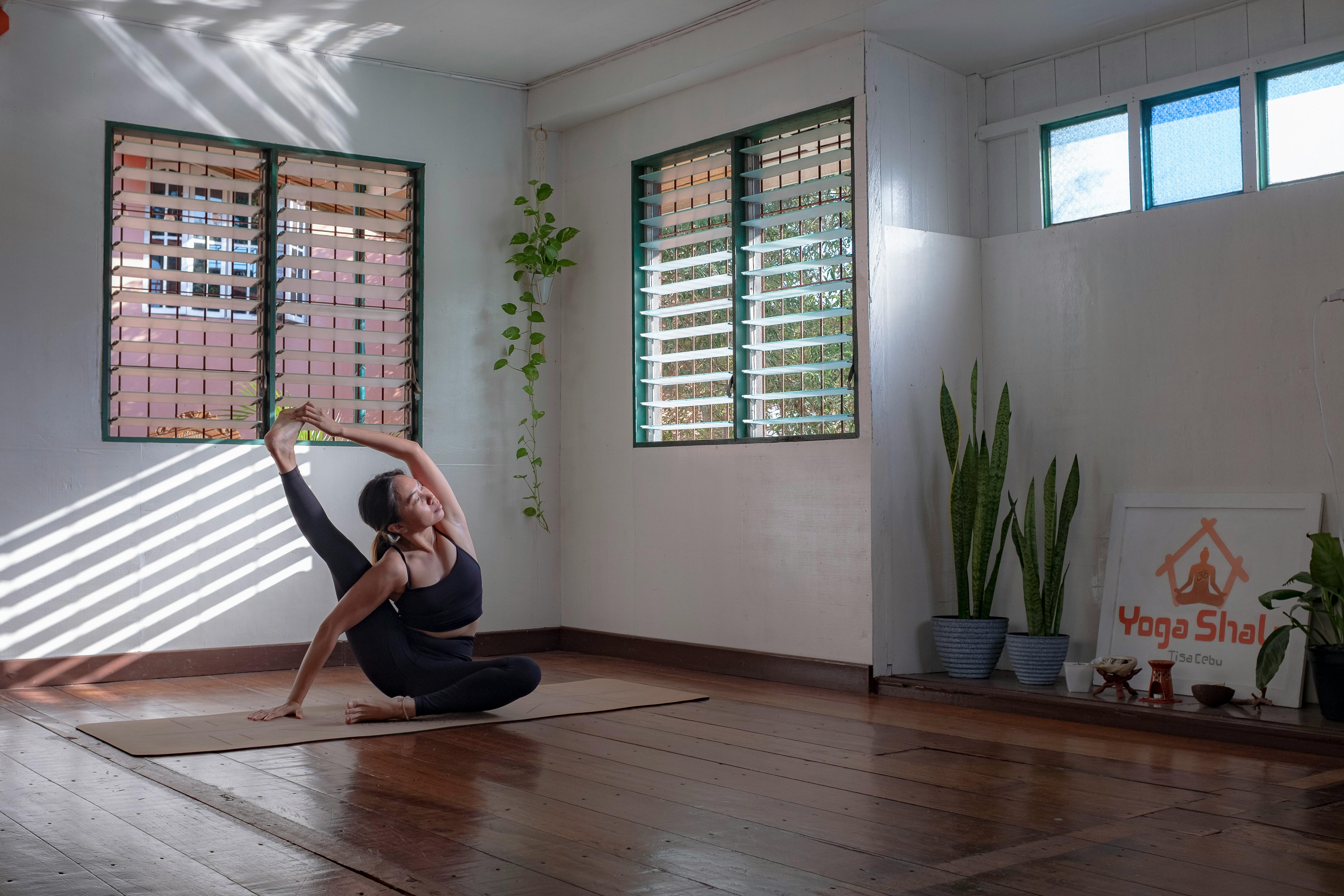
Vinyasa Yoga is a style of yoga where movements are synchronized with the breath. The term “Vinyasa” comes from Sanskrit and means “to place in a special way,” referring to the intentional coordination of breath and movement. Each pose flows into the next, creating a seamless sequence that feels almost like a dance.
Unlike traditional styles that follow a fixed sequence, Vinyasa Yoga is more creative and adaptable. Each class can be different, depending on the instructor’s style, theme, or focus. This variety makes Vinyasa Yoga exciting and suitable for people who enjoy change and creativity in their workouts.
The Philosophy Behind Vinyasa Yoga
Although Vinyasa Yoga is often seen as a modern practice, it is deeply rooted in ancient yogic philosophy. The concept of linking breath with movement originates from traditional teachings described by Patanjali.
The practice reflects the idea of mindfulness and presence. By focusing on the breath and the body’s movements, practitioners learn to stay in the present moment. This not only improves physical performance but also enhances mental clarity and emotional balance.
Key Features of Vinyasa Yoga
One of the defining features of Vinyasa Yoga is its fluid and continuous movement. Instead of holding poses for long periods, practitioners transition smoothly from one posture to another. This creates a dynamic flow that keeps the body active and engaged.
Another important aspect is breath awareness. Each movement is linked to either an inhale or an exhale, helping to create a steady rhythm throughout the practice. This connection between breath and movement is what makes Vinyasa Yoga feel like a moving meditation.
Vinyasa Yoga also offers flexibility in sequencing. Teachers can design classes around specific goals, such as improving flexibility, building strength, or focusing on relaxation. This adaptability makes it suitable for all levels of practitioners.
Benefits of Vinyasa Yoga
Vinyasa Yoga provides a wide range of benefits for the body, mind, and overall well-being.
Physically, it helps build strength, flexibility, and endurance. The continuous movement engages multiple muscle groups, improving overall fitness and posture. It also supports cardiovascular health due to its dynamic nature.
Mentally, Vinyasa Yoga helps reduce stress and anxiety. The focus on breath and movement calms the mind and improves concentration. Over time, it can enhance mental clarity and emotional stability.
Emotionally, the practice encourages mindfulness and self-awareness. It helps release tension and promotes a sense of inner peace and balance.
Vinyasa Yoga vs Other Yoga Styles
Vinyasa Yoga is often compared with other styles such as Ashtanga Yoga. While both connect breath with movement, Ashtanga follows a fixed sequence of poses, whereas Vinyasa is more flexible and creative.
Compared to Hatha Yoga, which focuses on holding poses for longer durations, Vinyasa is more dynamic and fast-paced. This makes it ideal for those who prefer an active and engaging workout.
Each style has its own benefits, and the choice depends on personal preferences and goals.
Who Should Practice Vinyasa Yoga?
Vinyasa Yoga is suitable for a wide range of people. Beginners can start with slower-paced classes to learn the basics, while more advanced practitioners can enjoy faster and more challenging flows.
It is especially beneficial for individuals looking to improve fitness, reduce stress, and develop a stronger mind-body connection. People who enjoy variety and creativity in their workouts often find Vinyasa Yoga particularly appealing.
However, those with injuries or specific health conditions should practice under guidance to ensure safety.
How to Start Vinyasa Yoga
Starting Vinyasa Yoga is simple, but it is important to approach it with patience and awareness. Beginners should begin with basic classes to understand the fundamental poses and breathing techniques.
Practicing regularly helps build strength and confidence. It is also important to listen to your body and avoid pushing beyond your limits. Using props like yoga blocks or straps can make the practice more accessible.
Joining a class with a qualified instructor can provide proper guidance and help improve technique.
Tips for a Better Practice
To get the most out of Vinyasa Yoga, focus on your breath and maintain a steady rhythm throughout the practice. Avoid rushing through poses and instead move mindfully.
Consistency is key. Practicing a few times a week can lead to noticeable improvements in strength, flexibility, and mental clarity.
Staying hydrated and maintaining a balanced lifestyle can also enhance the benefits of your practice.
Why Vinyasa Yoga is Popular Today
Vinyasa Yoga has gained immense popularity because of its versatility and effectiveness. It combines the benefits of physical exercise with mindfulness, making it suitable for modern lifestyles.
In today’s fast-paced world, people often look for ways to stay active while reducing stress. Vinyasa Yoga provides the perfect balance by offering a full-body workout along with mental relaxation.
Its creative and ever-changing nature keeps practitioners engaged and motivated, making it one of the most widely practiced yoga styles today.
Conclusion
Vinyasa Yoga is a powerful and adaptable practice that brings together movement, breath, and mindfulness. It offers a complete approach to health by improving physical fitness, reducing stress, and enhancing mental clarity.
Whether you are new to yoga or looking to deepen your practice, Vinyasa Yoga provides a flexible and enjoyable path. With regular practice, it can help you build strength, increase flexibility, and develop a deeper connection with your body and mind.
Embrace the flow, stay present, and let Vinyasa Yoga guide you toward a healthier and more balanced life.




 Arabic
 French
 Spanish
 Portuguese
 Deutsch
 Turkish
 Dutch
Dutch
 Italiano
 Russian
 Romaian
 Portuguese (Brazil)
 Greek
Greek