


The Pros and Cons of Electric Combination Boilers
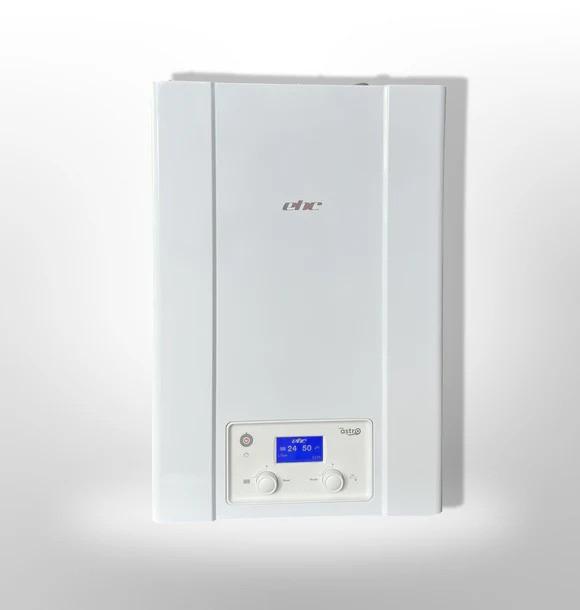
Introduction to Electric Combination Boilers
Electric heating systems are becoming more popular as homes move away from fossil fuels and toward cleaner, more efficient energy solutions. One of the most talked-about options in this shift is the electric combi boiler, a compact and modern solution designed to provide both heating and hot water without the need for a separate storage tank. Many homeowners are now comparing traditional systems with electric combination boilers to understand whether this technology is the right fit for their property.
In this article, we explore the real advantages and disadvantages of an electric combi boiler, helping you make a well-informed decision before upgrading your home heating system. While electric combination boilers offer several benefits such as simplicity and efficiency, they also come with limitations that are important to understand.
What Is an Electric Combi Boiler?
An electric combi boiler is a type of heating system that uses electricity to heat water on demand. Unlike gas boilers, it does not burn fuel, which means there are no flues, no combustion gases, and no need for a gas supply. This makes electric combination boilers especially attractive for homes that are off the gas grid, apartments, or properties looking for a cleaner heating alternative.
The system works by passing cold water through an electric heating element, instantly warming it before it is delivered to taps or radiators. Because everything is built into one unit, an electric combi boiler is compact, quiet, and relatively easy to install compared to traditional heating systems.
The Advantages of Electric Combination Boilers
Energy Efficiency and Modern Performance
One of the biggest advantages of an electric combi boiler is its high level of energy efficiency. Since electric combination boilers convert almost all the electricity they consume directly into heat, there is very little energy waste compared to combustion-based systems. This makes them highly efficient at the point of use.
Additionally, because there is no heat loss through flues or stored hot water tanks, an electric combi boiler provides heat exactly when it is needed. For many households, this on-demand heating system is both convenient and cost-effective in specific usage scenarios.
Compact Design and Easy Installation
Space-saving design is another major benefit of an electric combi boiler. Traditional heating systems often require bulky storage cylinders and extensive pipework, but electric combination boilers are compact and wall-mounted, making them ideal for small homes, flats, and modern apartments.
Installation is also generally simpler because there is no need for gas connections, ventilation flues, or fuel storage. This reduces installation time and can make an electric combi boiler a more flexible option in properties where space or infrastructure is limited.
Environmentally Friendly Heating Option
As the world moves toward low-carbon living, an electric combi boiler is often seen as a cleaner alternative. Since electric combination boilers produce no direct emissions at the point of use, they are considered environmentally friendly, especially when powered by renewable electricity sources such as wind or solar.
This makes them an attractive option for homeowners who are trying to reduce their carbon footprint and future-proof their homes against stricter environmental regulations.
Quiet Operation and Low Maintenance
Another benefit of electric combi boilers is their quiet operation. Without burners, fans, or moving combustion parts, electric combination boilers run almost silently. This makes them ideal for residential environments where noise reduction is important.
Maintenance requirements are also relatively low compared to gas boilers. With fewer mechanical components involved, an electric combi boiler typically requires less frequent servicing, which can reduce long-term upkeep costs and inconvenience.
The Disadvantages of Electric Combination Boilers
Higher Electricity Costs
Despite their efficiency, one of the biggest drawbacks of an electric combi boiler is the cost of electricity. In many regions, electricity is more expensive than gas, which means running electric combination boilers can lead to higher monthly energy bills, especially in larger homes with high heating demand.
This is an important consideration for households that use a lot of hot water or require constant heating during colder months.
Limited Suitability for Large Properties
An electric combi boiler may not always be the best solution for larger homes. While electric combination boilers perform well in smaller properties, they can struggle to meet high simultaneous hot water demands, such as multiple showers running at the same time.
In larger households, water pressure and flow rate limitations may become noticeable, making other heating systems more practical in certain cases.
Dependence on Electricity Supply
Since the entire system relies on electricity, any power outage will immediately affect heating and hot water supply. Unlike some alternative systems, electric combination boilers do not have backup fuel sources, which can be a disadvantage in areas prone to power cuts.
This dependency makes energy reliability an important factor when considering installation.
Potential Upfront Costs
While installation can be simpler, the initial cost of a high-quality electric combi boiler can sometimes be higher than expected. Advanced electric combination boilers with better performance and higher capacity tend to come with a premium price tag.
However, these upfront costs may be balanced over time depending on usage patterns and energy efficiency gains.
Are Electric Combination Boilers Right for Your Home?
Choosing the right heating system depends on property size, energy usage, and long-term cost expectations. An electric combi boiler is often ideal for smaller homes, flats, and modern energy-efficient buildings. In these settings, electric combination boilers offer convenience, space-saving design, and environmentally friendly operation.
However, for larger homes or households with high hot water demand, it is important to carefully evaluate whether an electric combi boiler can meet your needs efficiently. In some cases, alternative heating systems may still provide better performance and cost control.
Conclusion
The rise of the electric combi boiler reflects a growing demand for cleaner, simpler, and more efficient home heating solutions. While electric combination boilers offer clear advantages such as compact size, quiet operation, and eco-friendly performance, they also come with limitations like higher running costs and reduced suitability for large properties.

 Arabic
 French
 Spanish
 Portuguese
 Deutsch
 Turkish
 Dutch
Dutch
 Italiano
 Russian
 Romaian
 Portuguese (Brazil)
 Greek
Greek