


Is Re-Root Canal Treatment Painful, and What Are the Chances of It Succeeding?
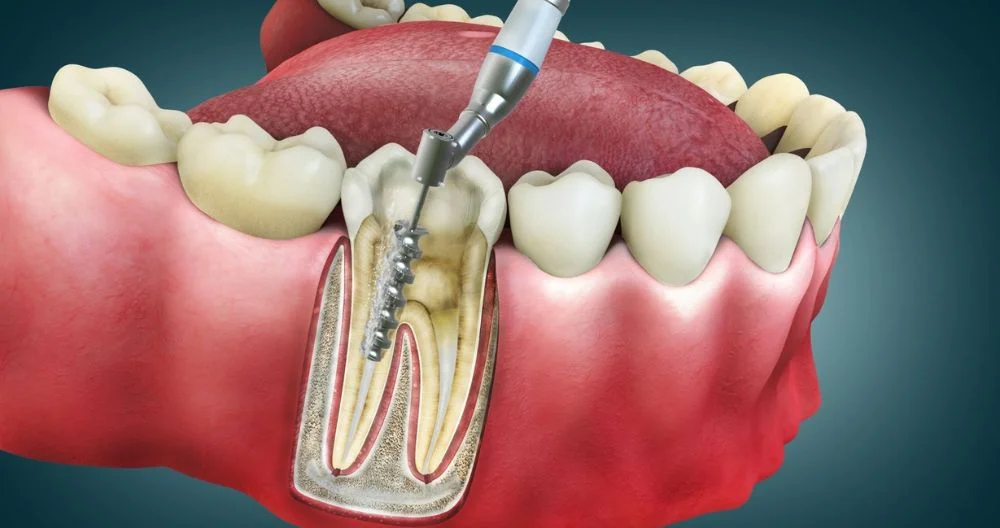
A root canal is meant to remove infection and save a natural tooth. However, in some cases, the problem can return months or even years later. When that happens, a second procedure, often called retreatment, may be recommended.
Many patients worry about pain and whether the treatment will actually work the second time. With modern techniques and careful planning, retreatment has become more predictable and manageable than most people expect.
Why Would a Root Canal Need to Be Redone?
A previously treated tooth can fail for several reasons. The issue is not always the original procedure, but changes that occur over time.
Common Causes of Failure
-
Missed or complex root canals that were not fully cleaned
-
New decay allowing bacteria to re-enter the tooth
-
Cracks or damage to the tooth structure
-
Worn or leaking crowns exposing the treated area
These problems can lead to reinfection, which requires further treatment to preserve the tooth.
What Is Re-Root Canal Treatment?
Re root canal treatment involves reopening the tooth, removing the previous filling material, and carefully cleaning the canals again. The dentist then disinfects the area and reseals it to prevent further infection.
How the Process Works
-
Accessing the tooth through the existing restoration
-
Removing old filling materials
-
Cleaning and shaping the canals again
-
Sealing the tooth with updated techniques
In some cases, additional procedures may be needed if the infection has spread beyond the root.
Is the Procedure Painful?
Pain is one of the biggest concerns for patients considering retreatment. In reality, the experience is similar to, and sometimes easier than, the initial root canal.
What Patients Typically Experience
-
Local anaesthesia ensures the area is numb during the procedure
-
Mild pressure may be felt, but not sharp pain
-
Post-treatment discomfort is usually manageable with medication
Modern tools and techniques allow dentists to work more precisely, which reduces unnecessary irritation to surrounding tissues.
Recovery After Retreatment
Healing after retreatment is usually straightforward, especially when the infection is addressed effectively.
What to Expect During Recovery
-
Mild soreness for a few days
-
Gradual reduction in sensitivity
-
Return to normal function within a short period
Following aftercare instructions and attending follow-up visits helps ensure proper healing.
Success Rates of Retreatment
The success of retreatment depends on several factors, including the condition of the tooth and how quickly the issue is addressed.
Typical Success Factors
-
Early detection of reinfection
-
Proper cleaning of all root canals
-
Good sealing of the tooth after treatment
-
Overall oral health and hygiene
In many cases, retreatment has a success rate ranging from 60 to 80 percent, and sometimes higher when conditions are favourable.
When Retreatment May Not Be Enough
While retreatment is effective in many situations, there are cases where additional procedures are needed.
Alternative Options
-
Minor surgical procedures to remove infection at the root tip
-
Tooth extraction if the structure cannot be saved
-
Replacement options such as implants or bridges
The goal is always to preserve the natural tooth when possible, but alternatives are considered when necessary.
The Role of Modern Techniques
Advancements in imaging and instruments have improved the accuracy of retreatment procedures. Dentists can now detect hidden canals and clean them more effectively.
At Manningtree Dental Practice, detailed assessment and careful planning play a key role in improving outcomes. Each case is evaluated individually to choose the most suitable approach.
When Should You Seek Retreatment?
Recognising the signs early can make a significant difference in the outcome.
Warning Signs to Watch
-
Persistent or returning tooth pain
-
Swelling around the gums
-
Sensitivity when biting
-
Discharge or bad taste in the mouth
If any of these symptoms appear, prompt evaluation is important to prevent further complications.
A Practical View on Pain and Success
Retreatment is not as uncomfortable as many expect. With proper anaesthesia and modern methods, the procedure is controlled and manageable. While no treatment can guarantee success in every case, retreatment offers a strong chance of saving the natural tooth and restoring function.
FAQ
1. Is re-root canal treatment more painful than the first one?
No, it is usually similar or even more comfortable due to improved techniques and effective anaesthesia.
2. How long does retreatment take?
It typically takes one or two visits, depending on the complexity of the tooth.
3. Can a tooth fail again after retreatment?
While possible, proper care and good oral hygiene significantly reduce the risk of future failure.

 Arabic
 French
 Spanish
 Portuguese
 Deutsch
 Turkish
 Dutch
Dutch
 Italiano
 Russian
 Romaian
 Portuguese (Brazil)
 Greek
Greek