


Testosterone Levels Test: A Complete Guide
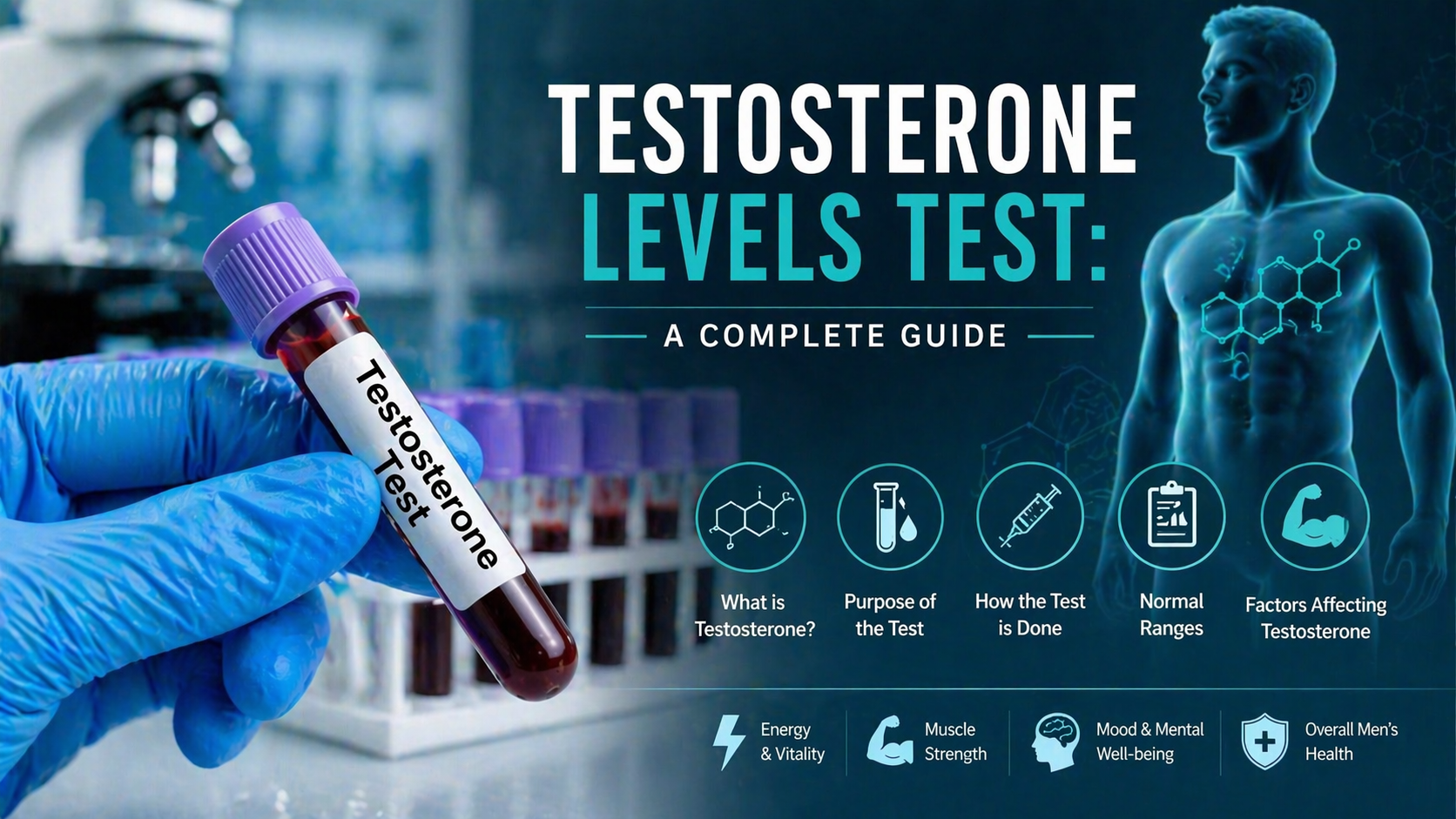
Understanding your hormone health is essential for overall well-being, and one of the most important assessments for men—and sometimes women—is the Testosterone Blood Test. This test helps measure the level of testosterone in your body, offering valuable insights into your physical and mental health.
In this guide, we’ll explore what a Testosterone Total Test is, why it’s done, how to prepare, and how to interpret the results.
What Is a Testosterone Levels Test?
A Testosterone Blood Test is a diagnostic procedure used to measure the amount of testosterone in your bloodstream. Testosterone is a key hormone responsible for muscle mass, bone density, libido, and mood regulation.
The most common form is the Testosterone Total Test, which measures both free testosterone (active form) and bound testosterone (attached to proteins in the blood). Together, these provide a complete picture of your hormonal status.
Why Is a Testosterone Blood Test Important?
A Testosterone Blood Test is often recommended when symptoms suggest hormonal imbalance. Testosterone plays a crucial role in various bodily functions, and abnormal levels can lead to noticeable health issues.
Common Reasons for Testing:
-
Low sex drive (libido)
-
Erectile dysfunction
-
Fatigue or low energy
-
Loss of muscle mass
-
Mood changes, including depression
-
Infertility concerns
For women, a Testosterone Total Test may be used to evaluate conditions like irregular menstrual cycles or excessive hair growth.
Types of Testosterone Tests
While the Testosterone Total Test is the most widely used, there are a few variations depending on clinical needs.
1. Total Testosterone Test
This measures the total amount of testosterone in the blood, including both free and protein-bound forms. It is the standard Testosterone Blood Test used in most diagnoses.
2. Free Testosterone Test
This focuses only on the active form of testosterone that is not bound to proteins.
3. Bioavailable Testosterone Test
This measures testosterone that is readily available for use by the body, including free testosterone and loosely bound testosterone.
Each type of test provides different insights, but the Testosterone Total Test is typically the starting point.
How to Prepare for a Testosterone Blood Test
Proper preparation ensures accurate results from your Testosterone Blood Test.
Preparation Tips:
-
Schedule the test in the morning (testosterone levels peak early in the day)
-
Avoid heavy exercise before testing
-
Inform your doctor about medications or supplements
-
Follow any fasting instructions if provided
Because testosterone levels fluctuate throughout the day, timing plays a crucial role in the accuracy of the Testosterone Total Test.
What Happens During the Test?
The Testosterone Blood Test is a simple and quick procedure. A healthcare professional will draw a small sample of blood, usually from a vein in your arm.
The process typically takes just a few minutes, and there is minimal discomfort involved. Afterward, the sample is sent to a laboratory for analysis.
Understanding Your Testosterone Test Results
Interpreting the results of a Testosterone Total Test depends on age, gender, and overall health.
Normal Ranges (Approximate):
-
Adult males: 300–1000 ng/dL
-
Adult females: 15–70 ng/dL
Low Testosterone (Hypogonadism):
Low levels detected through a Testosterone Blood Test may indicate:
-
Hormonal disorders
-
Chronic illness
-
Stress or poor lifestyle habits
High Testosterone:
Elevated levels in a Testosterone Total Test could be linked to:
-
Steroid use
-
Hormonal imbalances
-
Certain medical conditions
It’s important to consult a healthcare professional to interpret your Testosterone Blood Test results accurately.
Benefits of a Testosterone Blood Test
A Testosterone Total Test provides several advantages when it comes to diagnosing and managing health conditions.
Key Benefits:
-
Early detection of hormonal imbalance
-
Helps diagnose underlying health issues
-
Guides treatment plans (e.g., hormone therapy)
-
Monitors effectiveness of ongoing treatments
Regular testing can help maintain optimal hormone levels and improve quality of life.
Risks and Limitations
The Testosterone Blood Test is generally safe, but like any medical procedure, it has minor risks such as:
-
Slight pain or bruising at the injection site
-
Rare risk of infection
Additionally, a single Testosterone Total Test may not provide a complete picture. Doctors often recommend repeat testing for confirmation.
When Should You Get Tested?
You should consider a Testosterone Blood Test if you experience symptoms of low or high testosterone or if your doctor recommends it based on your health history.
Men over 30 may also benefit from periodic Testosterone Total Test screenings, as testosterone levels naturally decline with age.
Conclusion
A Testosterone Blood Test is a vital tool for assessing hormone health and diagnosing potential imbalances. Whether you're experiencing symptoms or simply want to monitor your well-being, a Testosterone Total Test can provide essential insights.
By understanding the purpose, process, and results of this test, you can take proactive steps toward better health. Always consult a healthcare professional for personalized advice and accurate interpretation of your test results.

 Arabic
 French
 Spanish
 Portuguese
 Deutsch
 Turkish
 Dutch
Dutch
 Italiano
 Russian
 Romaian
 Portuguese (Brazil)
 Greek
Greek