


CNSME Slurry Pump Supplier Solutions for High-Pressure Environments
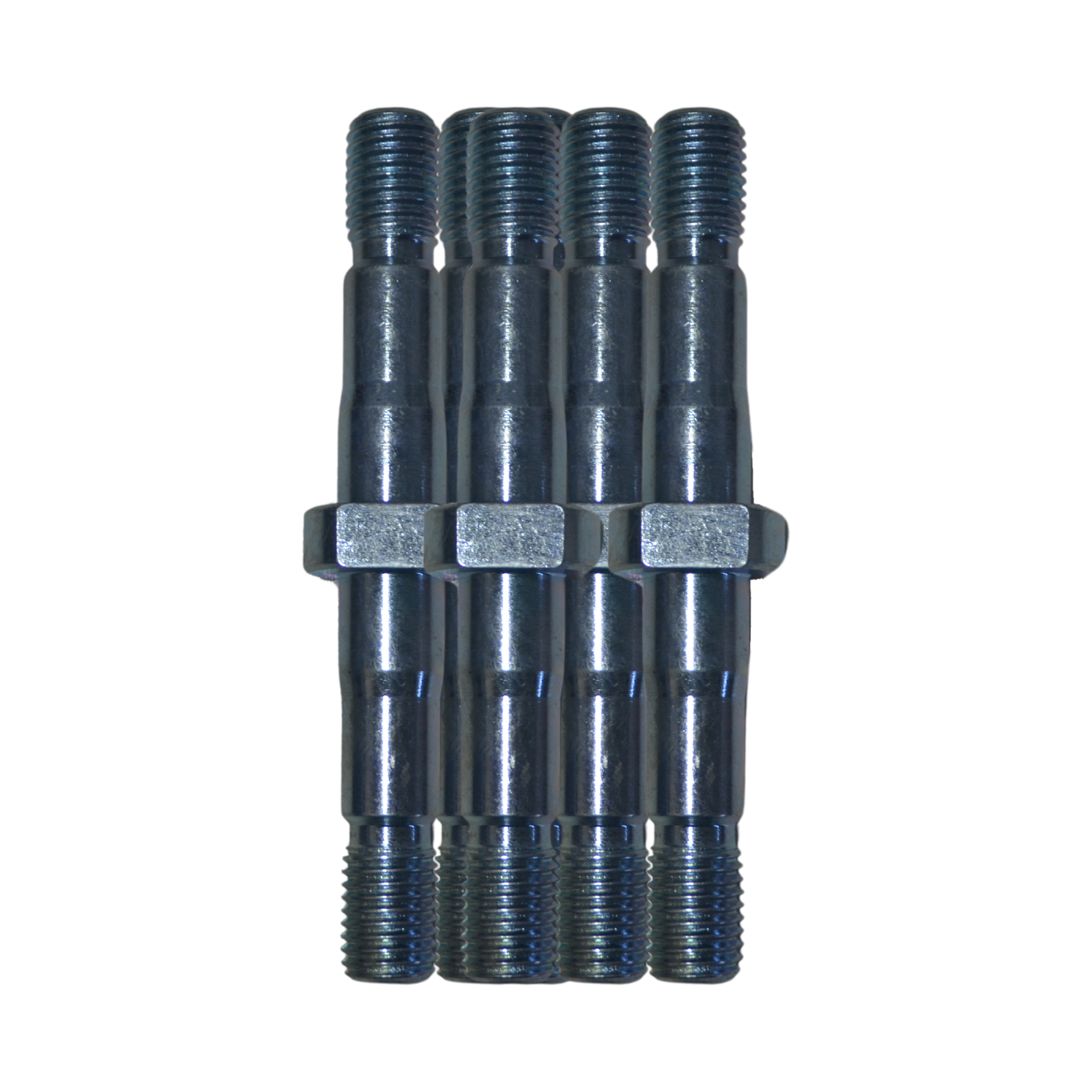
When you push a slurry pump to handle high pressures, everything changes. The seals groan under the strain, the casing wants to split along its mating faces, and the bearings run hotter than you would ever want to touch. Most standard slurry pumps are designed for modest pressures—say, twenty or thirty meters of head. But certain applications, like deep mine dewatering, long-distance tailings disposal, or feeding filter presses, demand much more. CNSME has built a reputation for solving exactly these high-pressure challenges without forcing customers to buy exotic, hard-to-maintain equipment. Instead of reinventing the wheel, they have methodically strengthened every vulnerable point in the pump design, from the housing bolts to the shaft diameter. The result is a range of pumps that handle serious pressure while remaining field-serviceable by regular maintenance crews. Let me walk you through how CNSME tackles the unique demands of high-pressure slurry pumping.
Thicker Casing Walls and Reinforced Bolting Patterns
The first and most obvious change when moving to high-pressure service is the pump casing itself. CNSME engineers calculate the bursting pressure for every model and then add a generous safety margin. This typically means casting walls that are substantially thicker than those found on standard-duty pumps. But thickness alone is not enough—the bolting pattern between the casing halves must also be redesigned. CNSME uses more bolts, larger bolt diameters, and closer spacing to ensure the joint remains tight even when internal pressure tries to force the casing apart. Some of their high-pressure models also feature a stepped joint design, where one casing half overlaps the other, creating a labyrinth seal that prevents slurry from finding a path through the gasket. These reinforcements might add weight and cost, but they also add the peace of mind that comes from knowing your pump will not blow apart at the worst possible moment.
Heavy-Duty Shafts and Oversized Bearings
Pressure creates thrust. When a pump operates at high discharge pressure, the impeller experiences a significant axial force trying to push it backward toward the suction side. Standard shafts and bearings can handle this for a while, but they fatigue and fail prematurely. CNSME solves this by specifying larger-diameter shafts made from forged alloy steel rather than simple bar stock. The larger diameter resists bending and twisting, while the forging process eliminates internal voids that could become crack initiation sites. On the bearing side, CNSME uses oversized angular contact ball bearings or tapered roller bearings specifically selected for their thrust capacity. These bearings are arranged in back-to-back configurations that can handle axial loads from either direction. Additionally, the bearing housing is deepened to allow for more lubricant volume, which helps carry away the extra heat generated under high loads. This combination of beefier shafts and robust bearings means the rotating assembly stays true and smooth even when the discharge gauge reads intimidating numbers.
Specialized Mechanical Seals for Elevated Pressures
Standard slurry pump seals—whether packing or simple mechanical seals—leak or fail when pressure climbs too high. CNSME addresses this by offering seal arrangements specifically engineered for elevated pressure environments. For moderate high-pressure applications, they recommend balanced mechanical seals where the hydraulic forces acting on the seal faces are neutralized, reducing face loading and heat generation. For truly demanding conditions, they offer cartridge-mounted, high-pressure mechanical seals with multiple springs and advanced face materials like silicon carbide or tungsten carbide. Some of their pumps even incorporate a seal flush plan that circulates clean barrier fluid at a pressure slightly above the pump discharge pressure, creating a positive seal that keeps slurry out entirely. CNSME also provides stuffing boxes with lantern rings that allow for clean water injection directly to the seal area, cooling and lubricating the faces while pushing solids away. These seal solutions are not cheap, but they are far less expensive than the downtime caused by a seal failure at 3 AM.
Reinped Hydraulic Design to Minimize Radial Loads
High pressure does not only push backward; it also pushes sideways. In a standard volute pump, the pressure around the impeller is uneven, creating a radial load that tries to bend the shaft. At high pressures, this radial load can become severe enough to cause shaft deflection, which then ruins the mechanical seal and wears out the bearings. CNSME counters this with double-volute casing designs, where two separate volute passages collect flow from opposite sides of the impeller. These two passages balance the radial forces almost perfectly, so the shaft experiences little to no side load regardless of operating pressure. For the most extreme applications, they also offer diffuser-style pumps where stationary vanes surround the impeller and guide flow symmetrically. These hydraulic refinements are invisible to the operator—you cannot look at a pump and tell it has a double volute—but they make the difference between a pump that lasts for years and one that eats bearings every few months.

Upgraded Baseplates and Foundation Requirements
Here is something many suppliers overlook: a high-pressure pump needs a solid place to stand. The forces generated inside the pump do not stay contained; they transmit through the feet and into the foundation. CNSME slurry pump supplier their high-pressure pumps with thicker, ribbed baseplates that resist twisting and flexing. They also provide detailed foundation specifications, calling for more grout, larger anchor bolts, and deeper concrete pads than standard pumps require. Some models even include vibration isolators or spring mounts to protect the pump from external forces while still providing a rigid mounting for the internal ones. CNSME’s technical team will review your site’s concrete work before installation, flagging potential issues like uneven pads or undersized bolts. This attention to the foundation might seem like overkill, but experienced maintenance managers know that a pump walking across its baseplate due to vibration is not just annoying—it is a prelude to catastrophic failure.
System Integration Advice for Piping and Valves
A high-pressure slurry pump does not operate in isolation; it connects to piping, valves, and fittings that must also withstand the same pressure. CNSME acts as a system consultant, not just a pump supplier. They will advise you on proper pipe schedules, recommending thicker-walled pipe or higher flange classes than you might have considered. They warn against using standard butterfly valves upstream of a high-pressure pump, because the valve disc can create turbulence that cavitates the pump inlet. Instead, they suggest full-port gate valves or knife-gate valves designed for slurry service. CNSME also emphasizes the importance of pressure relief devices. Every high-pressure slurry system should include a relief valve or rupture disc set slightly above the maximum operating pressure, protecting the pump and piping from dead-head conditions. This systems-level thinking means you are not just buying a pump; you are buying a complete, safe, high-pressure solution that works from the sump to the discharge point. And in high-pressure environments, that comprehensive approach is not a luxury—it is a necessity.

 Arabic
 French
 Spanish
 Portuguese
 Deutsch
 Turkish
 Dutch
Dutch
 Italiano
 Russian
 Romaian
 Portuguese (Brazil)
 Greek
Greek