


PSTN vs VoIP: Cost, Quality, and Performance Compared
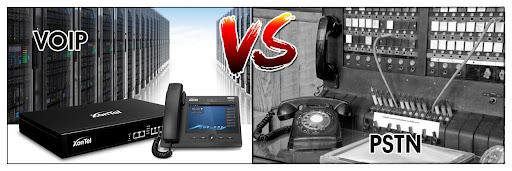
When businesses evaluate communication systems, the debate between traditional phone lines and modern internet-based calling often comes down to three critical factors: cost, quality, and performance. Understanding PSTN vs VoIP in these areas can help organizations choose the most efficient and future-ready solution.
Cost Comparison: PSTN vs VoIP
Cost is one of the most important considerations when choosing a communication system.
PSTN Costs
The traditional Public Switched Telephone Network (PSTN) involves:
- Installation of physical telephone lines
- Hardware and infrastructure maintenance
- Higher charges for long-distance and international calls
- Ongoing line rental fees
These expenses can quickly add up, especially for businesses with multiple locations or high call volumes.
VoIP Costs
Voice over Internet Protocol (VoIP) operates over the internet, significantly reducing expenses:
- No need for dedicated phone lines
- Lower call rates, especially for international communication
- Minimal hardware requirements
- Reduced maintenance costs
Key Takeaway:
VoIP is generally far more cost-effective than PSTN, making it an ideal choice for businesses looking to optimize their communication budget.
Call Quality: PSTN vs VoIP
Call quality is another major factor in the PSTN vs VoIP comparison.
PSTN Quality
PSTN is known for its:
- Consistent and reliable voice quality
- Minimal latency due to dedicated lines
- Stable performance even during peak usage
This reliability has made PSTN a trusted system for decades.
VoIP Quality
VoIP call quality depends on internet speed and network stability:
- High-speed internet delivers HD voice quality
- Poor connections can cause lag, jitter, or dropped calls
- Modern VoIP systems use advanced codecs to improve clarity
Key Takeaway:
PSTN offers consistent quality, but VoIP can match or even exceed it with a strong and stable internet connection.
Performance Comparison: PSTN vs VoIP
Performance includes reliability, scalability, and feature capabilities.
PSTN Performance
- Highly reliable due to dedicated circuit connections
- Limited flexibility and scalability
- Basic functionality (voice calls, voicemail, caller ID)
- Requires physical infrastructure expansion for growth
VoIP Performance
- Highly scalable and flexible
- Supports multiple devices (phones, laptops, tablets)
- Includes advanced features like:
- Video conferencing
- Call routing
- Voicemail-to-email
- Call analytics
- Works seamlessly across remote and hybrid work environments
Key Takeaway:
VoIP outperforms PSTN in flexibility, scalability, and modern business features.
Final Verdict: PSTN vs VoIP
When comparing PSTN vs VoIP, each has its strengths:
- PSTN excels in reliability and consistent call quality
- VoIP leads in cost efficiency, scalability, and advanced performance
For businesses aiming to stay competitive and future-ready, VoIP is typically the better long-term solution. However, organizations in areas with limited internet access may still rely on PSTN for its dependability.
Conclusion
The comparison of PSTN vs VoIP across cost, quality, and performance clearly shows why many businesses are transitioning to VoIP systems. With lower costs, rich features, and scalable performance, VoIP is reshaping the way organizations communicate.

 Arabic
 French
 Spanish
 Portuguese
 Deutsch
 Turkish
 Dutch
Dutch
 Italiano
 Russian
 Romaian
 Portuguese (Brazil)
 Greek
Greek