


Website Personalization Tools: Turn Casual Browsers Into Loyal Fans
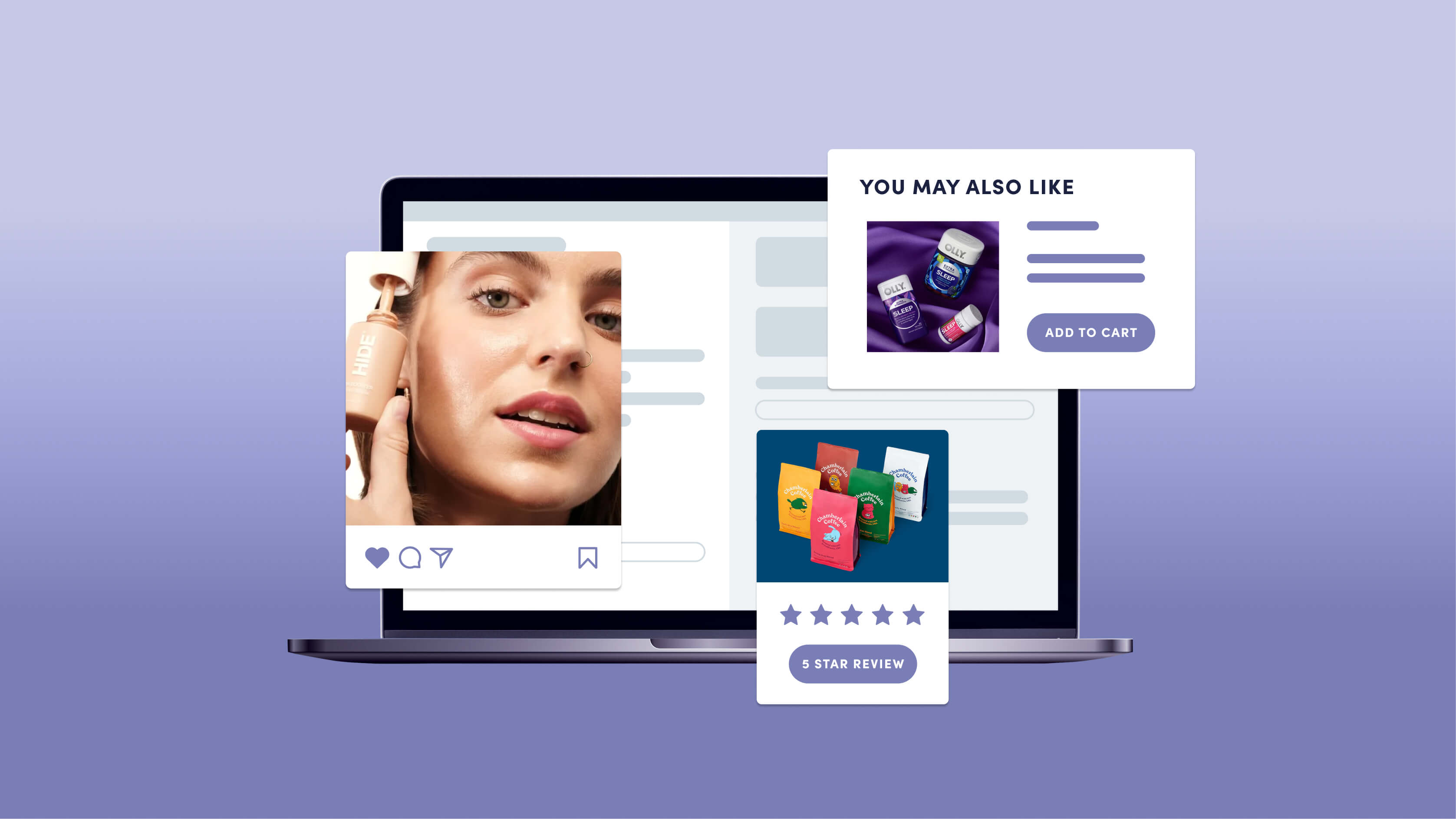
You land on a homepage. It feels… fine. Generic, but fine. Then you click away.
That’s the reality for most websites today. Bounce rates keep climbing—not because your content is bad, but because visitors expect instant relevance. If your site treats everyone the same, from a first-time Instagram user to a returning enterprise client, you’re leaving money on the table.
Website personalization tools solve this by adapting your content, offers, and layout based on who’s looking. In this guide, you’ll learn how to boost engagement, avoid common segmentation mistakes, and start small—no developer required.
Why Website Personalization Tools Matter for SEO
Google tracks engagement metrics like time on site and pages per session. If people bounce immediately, your rankings drop. On-page SEO gets visitors to the door; personalization makes them stay.
Modern website personalization tools match user intent the second they arrive. For example, if someone searches for “vegan leather bags” and clicks your link, a personalized page shows vegan products immediately—not a generic catalog. That alignment between query and landing experience is called relevance. Nail it, and you lower bounce rates while sending positive quality signals to Google.
For creators and consultants, building a central hub is critical. Biovelt is a fantastic start: it lets you build a personalized, branded personal homepage for free. You can add unlimited links and choose themes that match your brand voice, so returning visitors feel familiarity right away.
How to Choose the Right Website Personalization Tool
Many marketers buy expensive software like Adobe Target or Optimizely, only to realize they lack the traffic or engineering hours to use them. Before looking at pricing, ask yourself:
-
Do I have logged‑in users? → You can do deep behavioral targeting.
-
Is my traffic mostly anonymous? → Focus on geolocation, device type, or referral source.
Small to medium businesses don’t need a complex Customer Data Platform (CDP) immediately. You need agility. Tools like Biovelt offer a lightweight, no‑code way to start personalizing without slowing down your site.
Segmentation That Works: Beyond “Hello, [First Name]”
“Welcome back, John” isn’t personalization—it’s filling a blank field. True personalization requires context. Use website personalization tools to segment by intent, not just identity.
Source‑based personalization
A visitor from LinkedIn is in professional mode. Show case studies and ROI data. A visitor from TikTok is in entertainment mode. Show visuals and quick demos.
Behavioral triggers
If someone visits your pricing page three times but never clicks “Buy,” they’re hesitant. On their fourth visit, trigger a “Chat with Sales” pop‑up or a limited‑time discount.
Practical Use Cases (That Aren’t Complicated)
You don’t need to rebuild your whole site.
-
Smart homepage – Use a dynamic text changer. A returning visitor sees “Welcome Back, Ready to Publish?” A new visitor sees “The #1 Tool for Writers.” This simple change can lift click‑through rates by 30%+.
-
Contextual CTA – If you serve healthcare and manufacturing, don’t send everyone to the same demo form. Manufacturing visitors see “See Industrial Specs.” Healthcare visitors see “Get Compliance Guide.”
Common Pitfalls (And How to Fix Them)
Personalization fails when it crosses from cool to creepy. Following someone around with the exact product they viewed for weeks? That annoys people.
The fix: Use broad‑stroke data first. Instead of “I see you looked at red shoes,” say “Based on your location in Seattle, here are our rain‑friendly best sellers.” It feels helpful, not invasive.
Also watch for page speed bloat. Some personalization scripts add hundreds of kilobytes. If your tool slows down your site, turn it off. Speed is a ranking factor—no personalization is worth a two‑second delay.
Measuring What Matters
Don’t just look at conversion rates. Look at lift. Run an A/B test: control (generic page) vs. variant (personalized page). If the personalized page converts at 5% and the generic at 4%, that 1% lift is your ROI.
Also monitor Average Order Value (AOV) or form submission length. Are personalized visitors filling out longer forms? That means they trust you more. Trust is the ultimate metric.
Conclusion
You don’t need a million‑dollar budget. The era of one‑size‑fits‑all web design is ending. Start small: personalize your navigation bar based on referral source, or change a single headline for returning visitors.
Website personalization tools are the bridge between being just another website and becoming an essential resource for your audience. And with free, easy starts like Biovelt, there’s no reason to wait.

 Arabic
 French
 Spanish
 Portuguese
 Deutsch
 Turkish
 Dutch
Dutch
 Italiano
 Russian
 Romaian
 Portuguese (Brazil)
 Greek
Greek