


Fall Protection Equipment
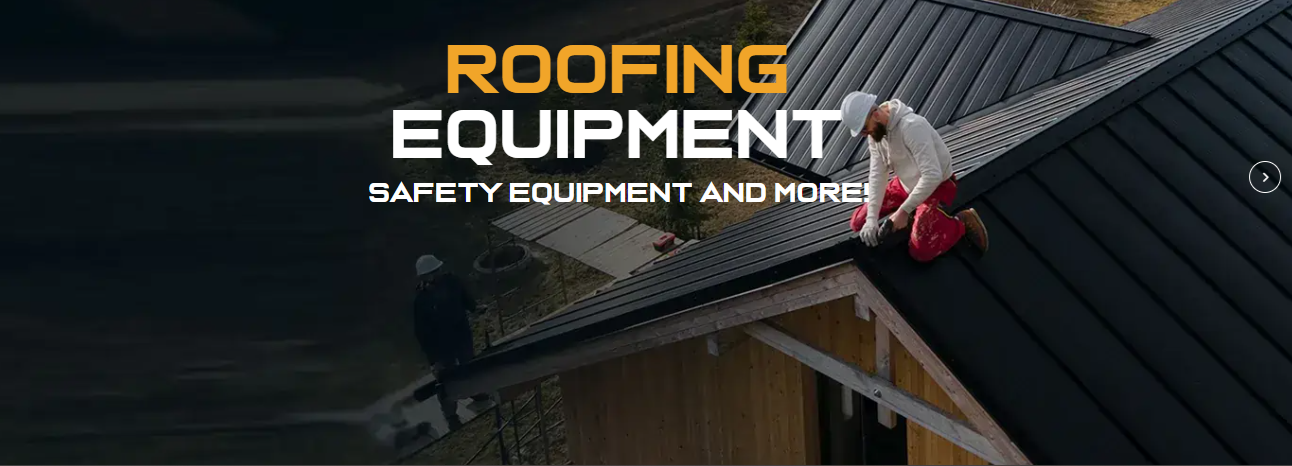
Fall Protection Equipment: Complete Safety Guide
Discover the best fall protection equipment, safety tips, and compliance standards. Protect workers and prevent accidents with expert guidance.
Introduction
Every year, thousands of workplace injuries occur due to falls—many of which could be prevented with the right Fall Protection Equipment. Whether you’re working on rooftops, scaffolding, or elevated platforms, safety should never be optional. Investing in high-quality fall protection systems not only safeguards workers but also ensures compliance with safety regulations and boosts productivity.
In this comprehensive guide, we’ll explore everything you need to know about Fall Protection Equipment, from types and components to best practices and compliance standards. If you’re a contractor, business owner, or safety manager, this article will help you make informed decisions and create a safer work environment.
What is Fall Protection Equipment?
Fall Protection Equipment refers to specialized safety gear designed to prevent workers from falling or to minimize injury if a fall occurs. It is commonly used in industries like construction, roofing, maintenance, and warehousing.
Key Objectives:
- Prevent falls before they happen
- Reduce injury severity in case of a fall
- Ensure compliance with workplace safety laws
- Protect both workers and employers from risks
Why Fall Protection Equipment is Essential
Falls are among the leading causes of workplace fatalities. Therefore, using proper Fall Protection Equipment is not just a safety measure—it’s a necessity.
Benefits of Using Fall Protection Equipment:
- Enhanced Worker Safety: Reduces risk of serious injuries
- Legal Compliance: Meets OSHA and industry standards
- Improved Productivity: Workers feel secure and perform better
- Cost Savings: Prevents costly accidents and lawsuits
- Reputation Boost: Demonstrates commitment to safety
Types of Fall Protection Equipment
Understanding the different types of Fall Protection Equipment helps you choose the right solution for your needs.
1. Personal Fall Arrest Systems (PFAS)
These systems stop a worker during a fall.
Components include:
- Full-body harness
- Lanyard
- Anchor point
2. Guardrail Systems
These are physical barriers installed around edges to prevent falls.
Common uses:
- Rooftops
- Elevated walkways
- Construction sites
3. Safety Nets
Placed below working areas to catch workers in case of a fall.
4. Positioning Systems
Allow workers to work hands-free while being securely supported.
5. Fall Restraint Systems
Prevent workers from reaching fall hazards in the first place.
Key Components of Fall Protection Equipment
To ensure maximum safety, each component must function properly.
Full-Body Harness
- Distributes fall forces across the body
- Must fit snugly and comfortably
Lanyards
- Connect harness to anchor point
- Available in shock-absorbing designs
Anchor Points
- Secure attachment points
- Must support required weight standards
Connectors
- Include carabiners and hooks
- Ensure strong and reliable connections
Choosing the Right Fall Protection Equipment
Selecting the right Fall Protection Equipment depends on several factors.
Consider the Following:
- Work Environment: Roofing, construction, or industrial
- Height of Work Area: Higher risk requires advanced systems
- Worker Mobility Needs: Flexibility vs. restriction
- Compliance Requirements: OSHA and local safety standards
Pro Tips:
- Always conduct a risk assessment
- Choose certified equipment
- Train workers properly before use
Compliance and Safety Standards
Using Fall Protection Equipment is often mandated by safety regulations.
Important Guidelines:
- OSHA requires fall protection at heights of 6 feet or more in construction
- Equipment must meet ANSI standards
- Regular inspections are mandatory
Failure to comply can lead to heavy fines and legal consequences.
Best Practices for Using Fall Protection Equipment
Even the best equipment won’t help if used incorrectly. Follow these best practices:
Before Use:
- Inspect all equipment for damage
- Ensure proper fitting of harness
- Verify anchor point strength
During Use:
- Stay connected at all times
- Avoid unnecessary movement near edges
- Follow safety protocols strictly
After Use:
- Store equipment properly
- Clean and maintain regularly
- Replace worn-out components
Common Mistakes to Avoid
Avoid these errors to maximize safety:
- Using damaged or worn equipment
- Improper harness fitting
- Ignoring training requirements
- Choosing the wrong type of system
- Skipping regular inspections
Why Choose Garza Roofing Equipment & Supply?
When it comes to reliable Fall Protection Equipment, choosing the right supplier makes all the difference.
Garza Roofing Equipment & Supply, based in Elizabeth St Elgin IL, brings over 20 years of industry experience. Their commitment to “Knowledge, Service, and Relationships” ensures customers receive top-quality products and expert guidance.
What Sets Garza Apart:
- Extensive experience in roofing and safety industry
- High-quality commercial and safety equipment
- Customer-first approach
- Trusted relationships with contractors
Rich Garza, President, emphasizes passion and dedication:
“My goal is to continue putting a smile on each and every customer that I see. Remember who loves you!”
Recommended Product
Looking for a reliable solution?
This all-in-one kit is ideal for roofing professionals who need a complete and compliant safety solution.
Contact Garza Team
For expert advice and premium Fall Protection Equipment, reach out today:
Call Us: (630) 883-8070
Email:
- Rich@garzasupply.com
- Jennica@garzasupply.com
- Fernando@garzasupply.com
- frontdesk1@garzasupply.com
Frequently Asked Questions (FAQs)
1. What is the most important fall protection equipment?
The full-body harness is crucial as it distributes force during a fall and keeps the worker secure.
2. How often should fall protection equipment be inspected?
Equipment should be inspected before each use and undergo a detailed inspection periodically.
3. Is fall protection required for all construction work?
Yes, especially when working at heights of 6 feet or more, as per OSHA guidelines.
4. Can damaged equipment be repaired?
No, damaged equipment should be replaced immediately to ensure safety.
5. What industries require fall protection equipment?
Industries like construction, roofing, warehousing, and maintenance commonly require it.
Investing in the right Fall Protection Equipment is one of the smartest decisions you can make for workplace safety. It not only protects lives but also enhances productivity and ensures compliance with safety standards.
Don’t wait for an accident to happen—take proactive steps today. Equip your team with reliable safety gear, provide proper training, and partner with trusted suppliers like Garza Roofing Equipment & Supply.
Call-to-Action (CTA)
Ready to improve workplace safety?
Explore premium fall protection solutions now: https://garzasupply.com/product/roofers-fall-protection-compliance-kit-in-a-bucket/
Stay safe. Work smart. And always remember—safety comes first.

 English
 Arabic
 French
 Spanish
 Portuguese
 Deutsch
 Turkish
 Dutch
Dutch
 Russian
 Romaian
 Portuguese (Brazil)
 Greek
Greek