


Fashion Meets Blockchain: The Rise of White Label NFT Marketplaces for Digital Wearables
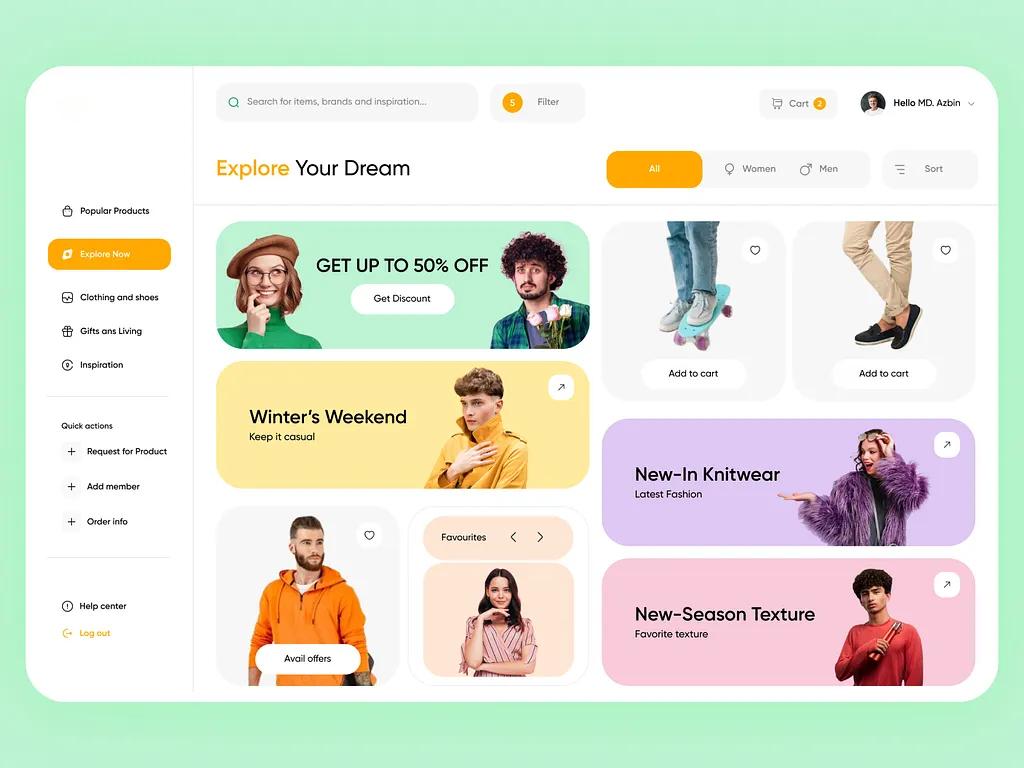
The fashion industry has always been at the forefront of innovation, blending art, culture, and technology to define personal and collective identity. In recent years, the digital revolution has taken fashion beyond physical fabrics into virtual experiences and blockchain-based ownership models. With the emergence of non-fungible tokens (NFTs), brands, designers, and consumers are redefining what it means to own and wear fashion in a digital-first world.
At the center of this transformation is the white label NFT marketplace. These platforms provide brands and entrepreneurs with ready-to-deploy infrastructures for launching custom NFT ecosystems dedicated to digital wearables. They serve as bridges between creativity and technology, allowing users to mint, trade, and showcase fashion NFTs seamlessly.
This article explores how the fashion industry is evolving through blockchain and white label NFT marketplace solutions, the opportunities they create for digital wearables, and why the fusion of fashion and NFTs is shaping the future of global luxury and self-expression.
The Digital Transformation of Fashion
Fashion has always evolved with technology. From the sewing machine to online retail, every innovation has changed how fashion is designed, produced, and consumed. Today, the integration of blockchain and digital assets marks the next great shift.
Digital wearables clothing, accessories, and styles designed for virtual environments are no longer science fiction. They are being traded as NFTs and worn in virtual worlds, gaming platforms, and metaverse spaces. Consumers can buy a digital jacket, wear it on their avatars, and showcase it in social media profiles or metaverse events. These items carry verifiable ownership records through blockchain technology, giving them real-world and digital value.
As digital fashion gains popularity, the demand for reliable and customizable trading platforms has grown. This is where white label NFT marketplace development comes into play.
Understanding White Label NFT Marketplaces
A white label NFT marketplace is a pre-built software solution that enables businesses to launch fully functional NFT trading platforms under their own brand name. Instead of creating a marketplace from scratch, companies can use a white label NFT marketplace solution to save time, cost, and resources.
These platforms come with essential features like NFT minting, listing, trading, auctioning, and wallet integration. They can also be customized with branding, UI design, and blockchain preferences. For fashion companies, this means they can create curated NFT experiences that reflect their brand’s luxury, exclusivity, and innovation.
White label NFT marketplace software empowers designers to tokenize their digital wearables and reach audiences directly, fostering both creative freedom and commercial opportunity.
The Rise of Digital Wearables
Digital wearables are fashion items that exist entirely in virtual spaces. They can be clothing, accessories, or even full-body avatars designed to be used in augmented reality (AR), virtual reality (VR), or metaverse platforms. These wearables are often minted as NFTs to guarantee uniqueness and authenticity.
Brands such as Gucci, Dolce & Gabbana, and Balenciaga have already entered the NFT fashion space, releasing exclusive digital collections that blend luxury and technology. Independent designers are also using NFT marketplaces to create, sell, and showcase their collections to global audiences.
A white label NFT marketplace for digital wearables provides a scalable foundation for this growing trend. It supports fashion businesses in building their own branded platforms where users can buy limited-edition digital outfits, accessories, and collectibles while enjoying transparent ownership and resale opportunities.
Why Fashion Brands Are Adopting White Label NFT Marketplace Solutions
The fashion industry’s interest in NFTs is driven by several key factors that align perfectly with blockchain technology and white label NFT marketplace development.
1. Authenticity and Provenance
Counterfeiting is a major issue in fashion. NFTs offer a reliable solution by assigning a unique blockchain record to every digital wearable. A white label NFT marketplace ensures that each item has a verifiable history, guaranteeing authenticity and preventing duplication.
2. New Revenue Streams
Digital fashion allows brands to sell virtual clothing and accessories at a lower cost while reaching a global audience. White label NFT marketplace software facilitates direct-to-consumer sales, royalty earnings from resales, and monetization of limited-edition collections.
3. Sustainability
Unlike traditional fashion production, which involves significant waste and resource consumption, digital wearables are eco-friendly. With NFT-based ownership, consumers can experience fashion sustainably, reducing environmental impact.
4. Brand Engagement and Loyalty
By launching white label NFT marketplaces, brands can create immersive experiences for their audiences. Virtual fashion shows, exclusive NFT drops, and metaverse events strengthen brand loyalty and engagement.
5. Creative Freedom
Designers can experiment with materials, styles, and effects that are not possible in the physical world. Through white label NFT marketplace development, brands can host innovative collections that push the boundaries of creativity.
How White Label NFT Marketplace Development Works for Fashion
White label NFT marketplace development services help fashion companies establish their own digital platforms quickly and efficiently. Here’s how the process typically unfolds:
Step 1: Consultation and Strategy
A white label NFT marketplace development company works with the brand to define goals, target audiences, and technical requirements. This includes blockchain selection, such as Ethereum, Polygon, or Solana, based on cost and scalability needs.
Step 2: Customization and Branding
The development team customizes the white label NFT marketplace solution with brand-specific design elements, UI/UX, and features that align with the company’s aesthetic and audience expectations.
Step 3: Integration of Wallets and Smart Contracts
Wallet integrations such as MetaMask and Coinbase are added to facilitate NFT transactions. Smart contracts are coded to handle minting, royalty distribution, and ownership tracking.
Step 4: Marketplace Deployment
Once configured, the white label NFT marketplace software is deployed to the chosen blockchain network and tested for performance, security, and usability.
Step 5: Launch and Support
After launch, the white label NFT marketplace development company provides ongoing support, feature updates, and scalability enhancements as user demand grows.
Key Features of a White Label NFT Marketplace for Digital Wearables
A white label NFT marketplace tailored for fashion must deliver exceptional user experiences and advanced features that align with the industry’s creative and commercial goals.
-
Multi-chain compatibility for broader access and lower transaction fees.
-
NFT minting tools for designers to create and list fashion items easily.
-
Custom storefronts to reflect brand identity and showcase collections elegantly.
-
Royalty management systems ensuring designers earn from every resale.
-
Social features like follows, likes, and sharing to build communities.
-
Virtual try-on integration using AR or VR technologies.
-
Secure payment gateways supporting cryptocurrencies and stablecoins.
-
Analytics dashboards for insights into user behavior and sales.
-
Auction and bidding functionality for exclusive digital fashion drops.
-
Cross-platform accessibility through web and mobile interfaces.
The Role of Multi-Chain Support in Fashion NFTs
White label NFT marketplace development increasingly focuses on multi-chain architecture. Supporting multiple blockchains allows brands to choose the best networks for cost, speed, and user reach. For instance, Ethereum remains the most popular for luxury fashion NFTs due to its reputation, while Polygon and Solana offer lower fees and faster transactions.
Multi-chain white label NFT marketplaces also promote interoperability. A fashion NFT minted on one blockchain can be traded or displayed on another, expanding its usability and reach in the digital ecosystem.
The Growing Market for Digital Fashion
The global digital fashion industry is rapidly expanding. According to industry analysts, the digital fashion and NFT market is expected to surpass billions of dollars in value by 2030. Metaverse platforms like Decentraland and The Sandbox have already hosted virtual fashion shows where users can purchase NFT wearables directly from integrated marketplaces.
White label NFT marketplace software allows both established and emerging fashion brands to participate in this growing digital economy. Whether through limited-edition NFT drops, virtual boutiques, or metaverse collaborations, fashion houses can now extend their presence far beyond the physical world.
Advantages for Designers and Consumers
The white label NFT marketplace model benefits both creators and buyers within the digital fashion ecosystem.
For Designers:
-
Direct monetization without intermediaries.
-
Royalties from secondary sales.
-
Global exposure and community building.
-
Ability to experiment with digital-only designs.
For Consumers:
-
Verified ownership of exclusive digital wearables.
-
Opportunities for resale and investment.
-
Access to limited-edition fashion drops.
-
Personalized and immersive experiences in the metaverse.
This creator-consumer synergy is what makes white label NFT marketplaces so vital in the fashion sector.
How White Label NFT Marketplace Software Strengthens Brand Identity
For fashion brands, visual identity is everything. A white label NFT marketplace solution allows complete customization of interface, color schemes, animations, and layout to maintain brand consistency. Whether the brand is a luxury label or a streetwear designer, the platform can mirror its style and message perfectly.
This control extends to customer interaction. Brands can offer membership tokens, exclusive access passes, and virtual runway experiences, creating a new layer of brand engagement.
The Role of White Label NFT Marketplace Development Companies
White label NFT marketplace development companies play a crucial role in bridging the gap between creative vision and blockchain technology. They provide technical expertise, scalability solutions, and compliance support.
Their services often include:
-
Smart contract development and auditing.
-
Integration with popular blockchain networks.
-
Secure wallet and payment gateway setups.
-
Tokenomics and NFT pricing strategy consultation.
-
Ongoing technical maintenance and user support.
Partnering with an experienced white label NFT marketplace development company ensures fashion businesses can launch quickly, stay secure, and scale globally.
The Future of Digital Wearables and Fashion NFTs
As technology continues to evolve, digital wearables will move beyond novelty into mainstream fashion. Virtual reality, augmented reality, and AI-driven customization will make digital fashion as desirable as physical garments. White label NFT marketplace solutions will serve as the backbone of this evolution, supporting large-scale digital ecosystems where creativity and commerce meet.
Future trends include:
-
Cross-platform wearables usable in multiple metaverse environments.
-
AI-generated fashion NFTs customized for each user.
-
Sustainable NFT collections linked to physical clothing lines.
-
Integration of fashion NFTs with real-world loyalty programs.
-
Tokenized ownership for limited-edition couture items.
The fashion industry’s embrace of blockchain will continue to redefine luxury, accessibility, and ownership in the digital era.
Challenges and Considerations
Despite its potential, NFT fashion faces challenges that brands must navigate carefully.
-
Market volatility can affect NFT prices and consumer confidence.
-
Regulatory uncertainties regarding digital ownership and intellectual property rights.
-
Environmental concerns about blockchain energy usage, though eco-friendly networks are emerging.
-
User education is needed to make blockchain fashion accessible to mainstream audiences.
-
Security risks related to smart contract vulnerabilities or wallet hacking.
A trusted white label NFT marketplace development company can mitigate these risks by implementing best practices, energy-efficient blockchain integrations, and user-friendly onboarding systems.
Conclusion
The convergence of fashion and blockchain is transforming how people express themselves, interact with brands, and experience ownership. Digital wearables are no longer futuristic ideas; they represent the next evolution of fashion commerce and creativity.
White label NFT marketplace software is the foundation enabling this transformation. By offering customizable, scalable, and secure solutions, it allows brands to build unique NFT ecosystems tailored to their audiences. Through white label NFT marketplace development, fashion houses can empower designers, engage consumers, and expand into digital worlds that blend style with technology.
As the lines between the physical and virtual worlds blur, the future of fashion will be written in code as much as it is in cloth. White label NFT marketplace solutions ensure that every designer, brand, and creator can participate in this exciting new chapter—where creativity, commerce, and digital identity converge in the world of blockchain fashion.

 English
 Arabic
 French
 Spanish
 Portuguese
 Deutsch
 Turkish
 Dutch
Dutch
 Italiano
 Russian
 Portuguese (Brazil)
 Greek
Greek