


10 Key Modules Every Patient Management Software Should Have
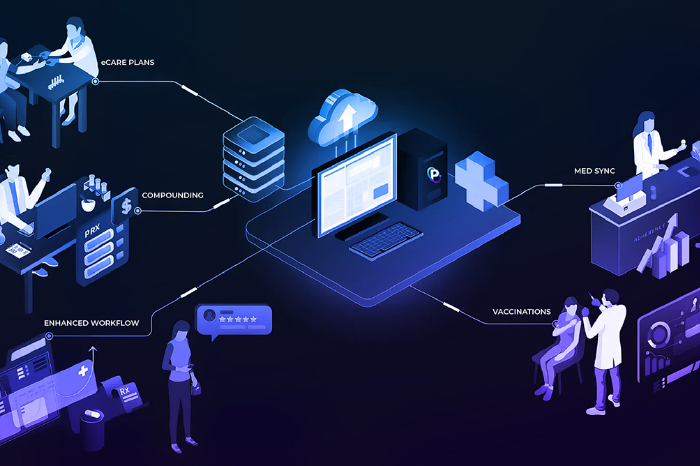
Healthcare systems today are evolving rapidly, and digital transformation has become essential rather than optional. Clinics, hospitals, and diagnostic centers are increasingly relying on technology to manage patient care efficiently. Among these technologies, Patient Management Software plays a central role in improving workflows, reducing administrative burden, and enhancing patient outcomes.
However, not all systems are created equal. A truly effective solution must include a set of core modules that ensure smooth clinical, administrative, and financial operations. Understanding these modules helps healthcare providers choose the right system that supports long-term growth and scalability.
1. Patient Registration and Demographics Module
The patient registration module is the foundation of any healthcare system. It captures essential patient information such as name, age, contact details, medical history, and identification data.
This module ensures that all patient records are centralized and easily accessible. It eliminates repetitive data entry and reduces errors, allowing healthcare staff to focus more on patient care rather than administrative tasks.
2. Appointment Scheduling Module
Efficient appointment scheduling is crucial for maintaining smooth clinic operations. This module allows patients to book appointments online or through reception while helping staff manage doctor availability.
It reduces waiting times, prevents scheduling conflicts, and improves overall patient satisfaction. Automated reminders also help reduce no-shows, ensuring better utilization of healthcare resources.
3. Electronic Medical Records (EMR) Module
The EMR module is one of the most critical components of any healthcare system. It stores complete patient medical histories, including diagnoses, prescriptions, lab reports, and treatment plans.
This digital record-keeping system ensures continuity of care by giving doctors instant access to patient information. It eliminates paper-based records and significantly improves data accuracy and accessibility.
4. Billing and Invoicing Module
Financial management is a vital aspect of any healthcare facility. The billing module automates invoice generation, payment tracking, and financial reporting.
It reduces manual errors in billing and ensures transparency in financial transactions. Integration with insurance systems further simplifies claims processing and accelerates reimbursements.
5. Laboratory Management Module
The laboratory module streamlines diagnostic processes by managing test orders, sample tracking, and report generation. It ensures that lab workflows are efficient and well-organized.
This module also integrates with other clinical systems, allowing doctors to access lab results instantly. It improves accuracy and reduces delays in diagnosis and treatment.
6. Pharmacy Management Module
A pharmacy module helps manage medication inventory, prescriptions, and dispensing processes. It ensures that medicines are properly stocked and distributed without errors.
By integrating with patient records, it reduces the risk of incorrect prescriptions and improves patient safety. It also helps clinics maintain better control over pharmaceutical inventory and costs.
7. Inventory and Resource Management Module
Healthcare facilities rely on various medical supplies and equipment. This module tracks inventory levels, monitors usage, and alerts staff when supplies are low.
It helps prevent shortages and ensures that essential resources are always available. Efficient inventory management reduces wastage and improves operational efficiency.
8. Reporting and Analytics Module
Data-driven decision-making is essential for modern healthcare management. This module provides insights into patient trends, financial performance, and operational efficiency.
Healthcare administrators can use these reports to identify areas for improvement and make strategic decisions. Analytics also help in forecasting demand and optimizing resources.
9. Communication and Notification Module
Effective communication between patients and healthcare providers is essential for quality care. This module enables SMS, email, and in-app notifications for appointments, reports, and reminders.
It enhances patient engagement and ensures timely communication. Staff can also use internal messaging systems to coordinate more effectively across departments.
10. Security and Compliance Module
Data security is a top priority in healthcare systems. This module ensures that patient information is protected through encryption, role-based access, and audit logs.
It also ensures compliance with healthcare regulations and privacy standards. Strong security measures build trust between patients and healthcare providers while preventing data breaches.
Why These Modules Matter for Healthcare Growth
Each of these modules plays a vital role in ensuring that healthcare operations run smoothly. When integrated into a single system, they create a seamless ecosystem that improves efficiency, reduces costs, and enhances patient satisfaction.
Without these essential components, healthcare providers may struggle with disorganized workflows, data inconsistencies, and operational inefficiencies. A well-designed system ensures that every aspect of patient care is managed effectively.
The Role of Integration in Modern Healthcare Systems
Integration between different modules is what makes a healthcare system truly powerful. When billing, clinical records, and pharmacy systems are connected, it eliminates duplication and improves coordination.
This interconnected structure allows healthcare providers to access real-time information, making decision-making faster and more accurate. It also enhances the patient experience by reducing delays and improving service quality.
Scalability and Future Readiness
As healthcare facilities grow, their operational needs become more complex. A robust system with scalable modules ensures that clinics can expand without facing technological limitations.
Cloud-based systems, in particular, allow healthcare providers to add new features and users easily. This flexibility is essential for long-term growth and sustainability in a competitive industry.
Enhancing Patient Experience Through Smart Modules
Modern patients expect fast, efficient, and transparent healthcare services. These modules collectively improve the patient journey from registration to treatment and follow-up.
Features like automated reminders, quick access to reports, and seamless billing processes contribute to a positive experience. Satisfied patients are more likely to return and recommend the facility to others, driving organic growth.
Operational Efficiency and Cost Reduction
By automating routine tasks, these modules significantly reduce the workload on administrative staff. This leads to faster processes, fewer errors, and lower operational costs.
Healthcare providers can allocate resources more effectively, focusing on patient care rather than manual data entry or paperwork. Over time, this efficiency translates into improved profitability and better service delivery.
Conclusion
A comprehensive healthcare system must include all essential modules to function effectively in today’s fast-paced environment. From patient registration to security and compliance, each component plays a critical role in ensuring smooth operations and high-quality care.
Healthcare providers looking to scale should prioritize systems that integrate these key features into a single platform. Solutions like Instacare.com.pk are helping clinics and hospitals streamline their operations with advanced digital tools.
In conclusion, adopting a well-structured Patient Management Software is no longer optional but a necessity for modern healthcare facilities aiming for efficiency, growth, and improved patient care.

 English
 Arabic
 French
 Spanish
 Deutsch
 Turkish
 Dutch
Dutch
 Italiano
 Russian
 Romaian
 Portuguese (Brazil)
 Greek
Greek