


Tactile Feedback and Trackability: Navigating Tortuous Anatomy with Advanced Guidewire Technologies
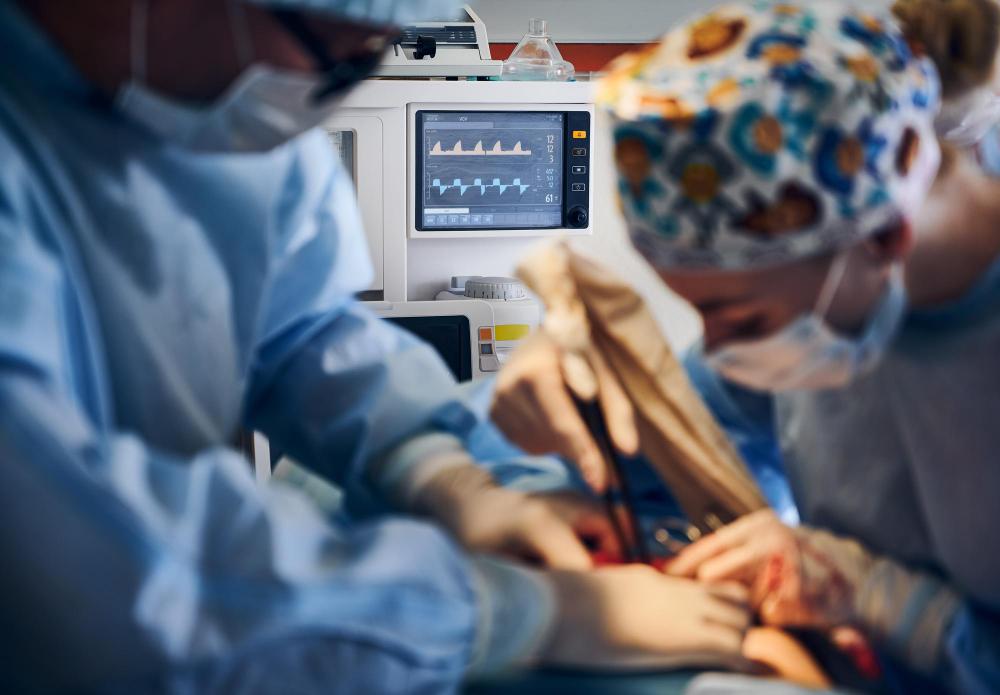
Modern minimally invasive interventions have transformed the way physicians approach complex vascular and non-vascular procedures. Whether in cardiology, peripheral interventions, or other specialized procedures, success often depends on one crucial device that guides the entire treatment pathway - the guidewire. Though small in size, guidewires play a significant role in determining procedural precision, device delivery, and overall operator confidence.
In increasingly complex anatomies, particularly those involving tortuous vessels, calcified pathways, chronic occlusions, or sharply angled branches, the performance of a medical guidewire becomes even more critical. Physicians rely on guidewires not only for access, but also for control, tactile response, and support throughout the intervention.
As technology continues to advance, modern guidewire engineering has evolved to offer better tactile feedback, improved trackability, and enhanced navigation in challenging anatomies, making them indispensable in contemporary interventional medicine.
Understanding the Role of Guidewires in Intervention
A guidewire is often the first device to cross a lesion or navigate into a target vessel during an interventional procedure. It creates a pathway for other devices such as catheters, balloons, stents, or diagnostic tools to follow.
This means that the performance of a guidewire can directly influence:
-
Procedural efficiency
-
Device deliverability
-
Lesion crossing success
-
Vessel safety
-
Overall treatment outcomes
A high-performing medical guidewire must strike a careful balance between flexibility, torque control, support, and tactile sensitivity.
In simple anatomies, guidewire navigation may be relatively straightforward. However, in tortuous or highly diseased vascular pathways, these characteristics become essential for safe and successful intervention.
What is Tactile Feedback in Guidewire Technology?
Tactile feedback refers to the operator’s ability to “feel” resistance, vessel characteristics, lesion texture, and guidewire movement during navigation.
This feedback helps physicians distinguish between:
-
True lumen vs false passage
-
Soft plaque vs calcified resistance
-
Vessel bends vs occlusions
-
Safe advancement vs excessive force
Good tactile feedback provides real-time information that can reduce procedural complications and improve decision-making during intervention.
Modern guidewire design has focused heavily on enhancing this sensitivity without compromising support or structural integrity.
For physicians, tactile response often translates into confidence - especially when navigating complex or unpredictable anatomy.
Importance of Trackability in Tortuous Anatomy
Trackability refers to how easily a guidewire can move through curved, twisted, narrowed, or difficult vessel pathways.
Poor trackability can lead to:
-
Procedural delays
-
Difficulty crossing lesions
-
Device delivery failure
-
Vessel trauma
-
Increased fluoroscopy time
Advanced guidewire technologies are now specifically engineered to improve navigation in tortuous anatomies by combining flexibility with directional precision.
A well-designed surgical guidewire should move smoothly through complex vessel pathways while maintaining enough support for subsequent device delivery.
This is particularly important in procedures involving:
-
Coronary artery disease
-
Peripheral vascular disease
-
Neurovascular interventions
-
Structural heart procedures
-
Complex diagnostic access cases
Engineering Features That Improve Guidewire Performance
Modern guidewire technologies incorporate several advanced design elements to improve tactile feedback and trackability.
Core Wire Technology
The core material of a guidewire significantly affects torque transmission, flexibility, and support.
Advanced core designs allow better:
-
Tip control
-
Torque response
-
Shaft support
-
Navigation precision
This helps physicians maneuver through difficult anatomy with greater accuracy.
Tip Design
Guidewire tips are carefully engineered for different procedural needs.
Hydrophilic, atraumatic, tapered, or shapeable tips can influence:
-
Lesion crossing ability
-
Vessel protection
-
Navigation ease
-
Procedural safety
The tip design often determines how effectively a medical guidewire performs in complex pathways.
Coating Technologies
Modern coatings improve friction management and vessel navigation.
Common benefits include:
-
Smoother advancement
-
Reduced resistance
-
Better lesion crossing
-
Enhanced trackability in tortuous vessels
Coatings can also help minimize vessel trauma during prolonged procedures.
Torque Control
Torque transmission allows the operator to rotate the guidewire and achieve precise directional control.
In highly angled or branching vessels, this feature is essential for reaching target lesions safely and efficiently.
Advanced guidewire engineering continues to improve torque precision while maintaining flexibility.
Challenges in Tortuous Anatomy
Tortuous anatomy remains one of the biggest technical challenges in interventional procedures.
Difficult vessel pathways may involve:
-
Sharp bends
-
Multiple branches
-
Severe calcification
-
Chronic occlusions
-
Narrow lumens
-
Vessel elongation
In these situations, guidewires must provide both navigational agility and structural support.
A poorly matched surgical guidewire may buckle, prolapse, or fail to cross difficult anatomy, affecting the success of the procedure.
This is why guidewire selection is often based on lesion characteristics, vessel morphology, and procedural objectives.
Guidewire Innovation and Clinical Precision
Today’s guidewire technologies are designed not just for access, but for precision-guided intervention.
Advanced engineering is enabling:
-
Better tactile response
-
Enhanced lesion crossing
-
Improved support for device delivery
-
Greater procedural predictability
-
Reduced complication risk
As interventional procedures become increasingly complex, physicians are relying on guidewire performance more than ever to improve outcomes.
Translumina’s Role in Interventional Solutions
Companies such as Translumina are part of the broader innovation ecosystem in interventional medicine, contributing to technologies that support precision-driven cardiovascular and vascular procedures.
By focusing on device innovation and procedural efficiency, such organizations reflect the growing emphasis on advanced tools that help physicians navigate increasingly challenging anatomies with greater confidence.
Conclusion
Guidewires may appear simple in design, but their role in modern intervention is highly sophisticated. In tortuous and complex anatomies, the combination of tactile feedback, trackability, torque control, and structural support can make a significant difference in procedural success.
A high-quality medical guidewire enables better navigation, more informed operator control, and improved device delivery, while an advanced surgical guidewire provides the flexibility and support needed in challenging procedural environments.
As guidewire engineering continues to evolve, these technologies will remain central to improving precision, safety, and efficiency across a wide range of interventional procedures.

 Arabic
 French
 Spanish
 Portuguese
 Deutsch
 Turkish
 Dutch
Dutch
 Italiano
 Russian
 Romaian
 Portuguese (Brazil)
 Greek
Greek