


Early Signs of Liver Disease You Should Never Ignore
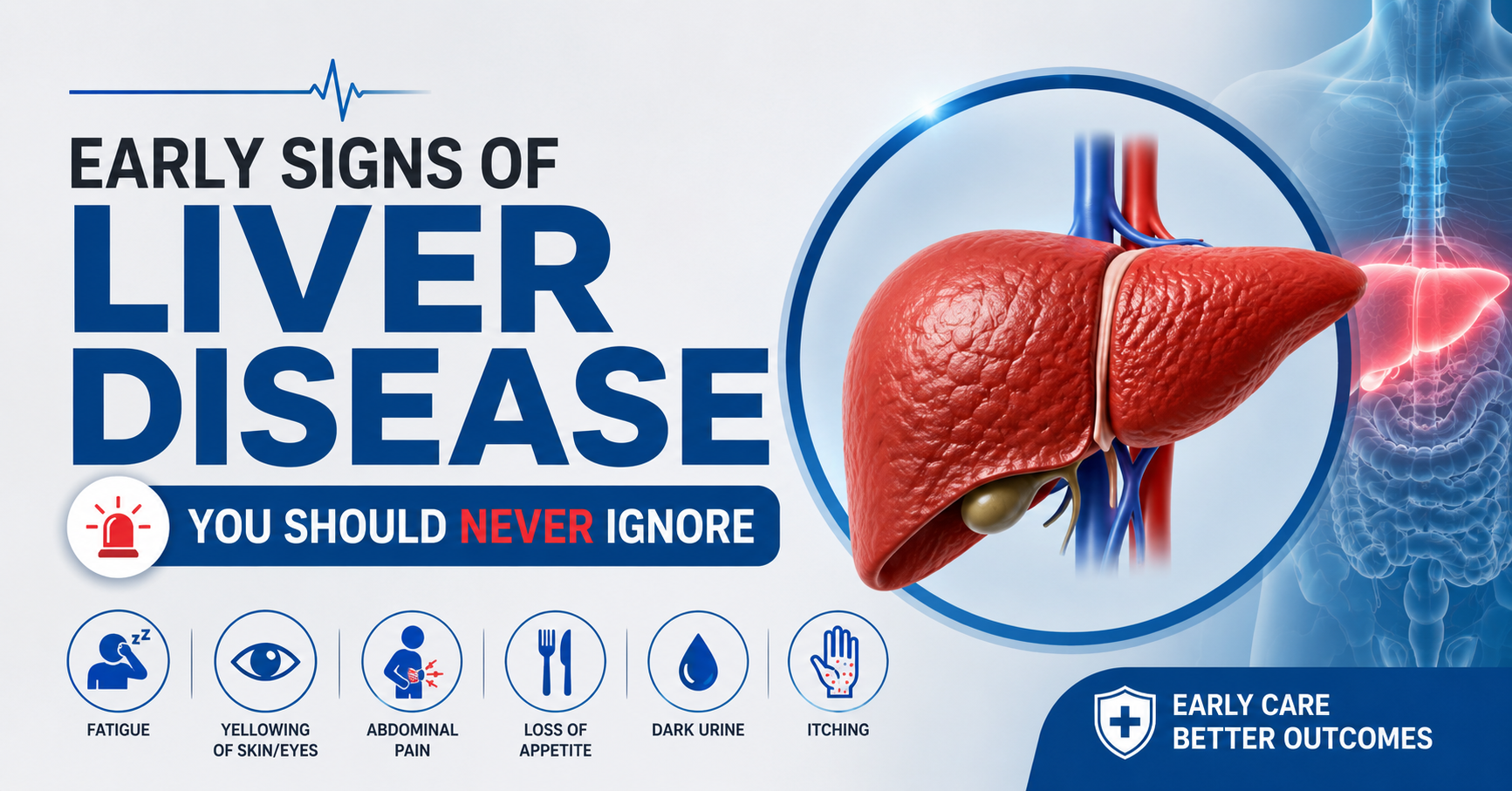
The liver is one of the most vital organs in the human body, responsible for filtering toxins, aiding digestion, storing nutrients, and regulating various metabolic functions. Despite its importance, liver disease often develops silently, with symptoms appearing only when the condition has progressed significantly. Recognizing the early signs of liver disease can help ensure timely diagnosis and treatment, preventing serious complications.
If you experience persistent symptoms that may indicate liver dysfunction, consulting a hepatologist or liver specialist can help identify the underlying cause and guide appropriate treatment.
Understanding Liver Disease
Liver disease refers to a range of conditions that affect the liver's ability to function properly. Common liver disorders include:
-
Fatty liver disease
-
Hepatitis (viral, alcoholic, or autoimmune)
-
Liver fibrosis
-
Cirrhosis
-
Liver cancer
-
Genetic liver disorders
Early detection is crucial because many liver conditions can be effectively managed or even reversed when identified in their initial stages.
Why Early Detection Matters
The liver has a remarkable ability to regenerate and repair itself. However, prolonged damage can lead to permanent scarring, known as cirrhosis, which significantly impairs liver function. Recognizing warning signs early allows for timely medical intervention and better long-term outcomes.
Early Signs of Liver Disease You Should Never Ignore
1. Persistent Fatigue and Weakness
One of the earliest and most common symptoms of liver disease is unexplained fatigue. Individuals may feel constantly tired, weak, or lacking energy despite getting adequate rest.
When the liver is not functioning efficiently, toxins can accumulate in the bloodstream, contributing to physical exhaustion and reduced mental alertness.
2. Loss of Appetite
A sudden or ongoing decrease in appetite can indicate liver dysfunction. The liver plays a crucial role in digestion and metabolism. When it becomes impaired, individuals may experience reduced interest in food or feel full quickly after eating.
Ignoring this symptom may lead to nutritional deficiencies and unintended weight loss.
3. Unexplained Weight Loss
Losing weight without changes in diet or exercise habits may be a warning sign of an underlying liver condition. Chronic liver diseases can affect nutrient absorption and metabolism, leading to gradual but noticeable weight loss.
4. Nausea and Digestive Discomfort
Frequent nausea, vomiting, indigestion, or abdominal discomfort can occur when the liver struggles to process toxins and support digestion effectively.
Persistent digestive symptoms that do not improve should be evaluated by a healthcare professional.
5. Pain or Discomfort in the Upper Right Abdomen
The liver is located in the upper right side of the abdomen. Mild pain, tenderness, or a feeling of fullness in this area may indicate inflammation, enlargement, or other liver-related problems.
While occasional discomfort may not be serious, recurring pain warrants medical attention.
6. Yellowing of the Skin and Eyes (Jaundice)
Jaundice is one of the most recognizable signs of liver disease. It occurs when bilirubin, a yellow pigment normally processed by the liver, builds up in the body.
Symptoms include:
-
Yellow skin
-
Yellow eyes
-
Dark urine
-
Pale-colored stools
Jaundice should never be ignored and requires prompt medical evaluation.
7. Dark-Colored Urine
Even with adequate hydration, urine that appears unusually dark may indicate liver dysfunction. Elevated bilirubin levels can cause urine to become dark yellow, amber, or brown.
This symptom often accompanies jaundice but can sometimes appear earlier.
8. Pale or Clay-Colored Stools
Changes in stool color may signal problems with bile production or flow. Healthy bile gives stool its normal brown color.
If stools consistently appear pale, gray, or clay-colored, liver or bile duct issues may be present.
9. Itchy Skin
Persistent itching without an obvious skin condition can sometimes be linked to liver disease. Bile salts accumulating beneath the skin may trigger intense itching, especially on the hands, feet, and other areas of the body.
10. Swelling in the Abdomen
Fluid accumulation in the abdominal cavity, known as ascites, can occur when liver disease progresses. Early stages may present as mild bloating or a feeling of abdominal fullness.
This symptom should be assessed promptly, particularly if it develops suddenly.
11. Swelling in the Legs and Ankles
The liver helps regulate fluid balance within the body. When liver function declines, fluid can accumulate in the lower limbs, causing swelling in the feet, ankles, and legs.
Persistent swelling should not be dismissed as a normal occurrence.
12. Easy Bruising and Bleeding
The liver produces proteins necessary for blood clotting. When liver function is impaired, individuals may notice:
-
Frequent bruising
-
Nosebleeds
-
Bleeding gums
-
Slow wound healing
These symptoms may indicate advanced liver dysfunction and require medical assessment.
Risk Factors for Liver Disease
Certain factors increase the likelihood of developing liver disease, including:
-
Excessive alcohol consumption
-
Obesity
-
Type 2 diabetes
-
High cholesterol
-
Viral hepatitis infections
-
Family history of liver disease
-
Long-term use of certain medications
-
Exposure to toxins
People with these risk factors should undergo regular health check-ups and liver function screening.
When to See a Hepatologist
You should consult a liver specialist if you experience:
-
Persistent fatigue
-
Unexplained weight loss
-
Yellowing of the skin or eyes
-
Ongoing digestive symptoms
-
Abdominal pain or swelling
-
Abnormal liver function test results
Early consultation can help identify liver conditions before they cause irreversible damage.
Tips for Maintaining Liver Health
Protecting your liver starts with healthy lifestyle choices:
-
Maintain a healthy weight
-
Eat a balanced diet rich in fruits and vegetables
-
Limit alcohol consumption
-
Stay physically active
-
Avoid smoking
-
Get vaccinated against hepatitis when appropriate
-
Use medications responsibly
-
Schedule routine health screenings
Conclusion
Liver disease often develops quietly, making it essential to recognize its early warning signs. Symptoms such as fatigue, loss of appetite, abdominal discomfort, jaundice, dark urine, and unexplained weight loss should never be ignored. Seeking timely medical attention can lead to early diagnosis, effective treatment, and improved long-term liver health.
For individuals experiencing symptoms or those at risk of liver disease, consulting a qualified hepatologist can help ensure accurate diagnosis and personalized care for optimal liver function and overall well-being.

 English
 Arabic
 French
 Spanish
 Portuguese
 Deutsch
 Turkish
 Italiano
 Russian
 Romaian
 Portuguese (Brazil)
 Greek
Greek