

Metal Laser Cutting Machine: Precision Solutions for Modern Industrial Fabrication Needs
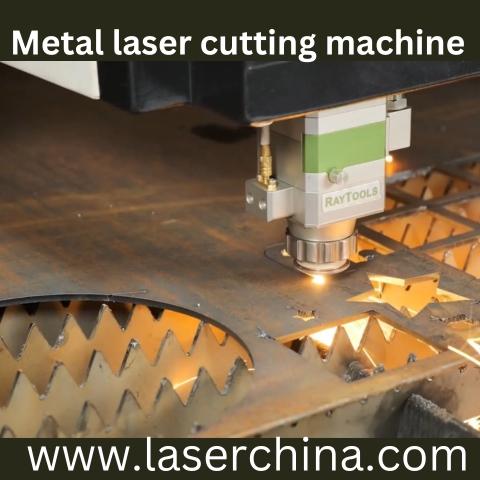
In modern manufacturing, precision is no longer a luxury—it is a necessity. The metal laser cutting machine has emerged as a transformative technology in the fabrication sector, providing unparalleled accuracy, efficiency, and flexibility. Its ability to handle a diverse range of metals, from stainless steel to aluminum, positions it as a critical tool for industries ranging from automotive and aerospace to construction and electronics.
At the heart of the metal laser cutting machine is its precision laser system. Unlike traditional cutting methods that rely on mechanical blades, lasers use concentrated light beams to melt, burn, or vaporize the material. This approach allows for incredibly fine cuts, intricate designs, and minimal material wastage. The precision offered by laser cutting ensures that components fit perfectly within assembly lines and final products, reducing the need for secondary finishing processes.
The metal laser cutting machine operates through a combination of high-powered lasers, advanced optics, and computer-controlled systems. Modern machines integrate sophisticated software capable of interpreting CAD files, translating designs into precise cutting paths, and automatically adjusting parameters to suit the metal type and thickness. This combination of automation and laser technology results in consistent quality across multiple production runs.
One of the most notable aspects of metal laser cutting machines is their versatility. They can cut a wide range of metals with varying thicknesses, including mild steel, stainless steel, aluminum, copper, and titanium. Whether it is producing large industrial panels or delicate electronic components, the machine adapts to the requirements without compromising precision. For industries where complex shapes and tight tolerances are standard, such as aerospace components or automotive body parts, laser cutting provides a level of accuracy that mechanical cutting cannot match.
The speed of metal laser cutting machines is another key factor that contributes to their industrial value. The focused laser beam moves rapidly across the surface of the metal, reducing production time while maintaining clean edges and smooth finishes. This efficiency allows manufacturers to meet high-volume demands without sacrificing quality, and it also contributes to cost-effectiveness by reducing labor hours and material waste.
In addition to straight cuts, metal laser cutting machines excel in creating intricate patterns, engravings, and perforations. Industries that rely on detailed metalwork, such as architectural design, signage, and decorative metal fabrication, benefit greatly from this capability. The technology makes it possible to produce designs that would be impossible or extremely time-consuming with conventional methods.
Integration with digital systems is another area where metal laser cutting machines excel. Modern production lines often rely on automation and robotics, and laser cutting systems can be synchronized with these workflows. The integration ensures precise alignment, repeatable results, and faster turnaround times. By using digital files as the foundation of the cutting process, manufacturers eliminate errors caused by manual interpretation or setup, resulting in higher-quality outputs and lower operational risks.
Maintenance and operational considerations for metal laser cutting machines focus on ensuring optimal performance and longevity. Regular inspection of optical components, laser sources, and motion systems is essential. Additionally, the software that drives the machine must be kept up to date to maintain precision, accommodate new materials, and implement the latest efficiency improvements. While the initial investment may be significant, the reliability, precision, and efficiency offered by metal laser cutting machines justify the expenditure in industrial settings.
The impact of metal laser cutting machines on production capabilities extends beyond speed and precision. They allow for a higher degree of customization and design freedom. Engineers and designers can experiment with complex geometries, intricate patterns, and advanced structures that would otherwise be limited by traditional cutting techniques. This creative flexibility opens up opportunities for innovation in product design and manufacturing efficiency, giving companies a competitive edge in highly competitive markets.
Metal laser cutting machines also contribute to sustainability within industrial processes. The high precision reduces material wastage, and many systems incorporate energy-efficient laser sources. Furthermore, by minimizing the need for secondary finishing processes, energy consumption and environmental impact are lowered. Companies adopting this technology can therefore enhance both their productivity and environmental responsibility.
Training and skill development play a critical role in maximizing the benefits of a metal laser cutting machine. Operators must understand the software interface, material properties, and laser system adjustments to produce consistent, high-quality results. Skilled operators can optimize cutting strategies, troubleshoot issues, and maintain safety standards, ensuring that the machine delivers peak performance over its operational lifespan.
In the context of industrial modernization, the metal laser cutting machine represents a convergence of precision engineering, digital integration, and production efficiency. Its ability to deliver consistent, high-quality results while adapting to various metals and designs makes it a cornerstone of modern manufacturing. Companies investing in these machines are positioned to meet increasing demands for precision, speed, and flexibility across multiple sectors.
Final Thoughts
The metal laser cutting machine is more than a tool; it is a technological shift in industrial fabrication. Its precision, versatility, and integration with digital production systems redefine what is possible in metalworking. Industries that adopt laser cutting technology gain the ability to produce intricate, accurate, and efficient metal components while reducing waste and optimizing operations. As manufacturing continues to evolve, metal laser cutting machines will remain central to delivering the precision and quality that modern production demands.

 English
 Arabic
 French
 Portuguese
 Deutsch
 Turkish
 Dutch
Dutch
 Italiano
 Russian
 Romaian
 Portuguese (Brazil)
 Greek
Greek