


Complete Guide to Property Inspection for Buyers and Owners
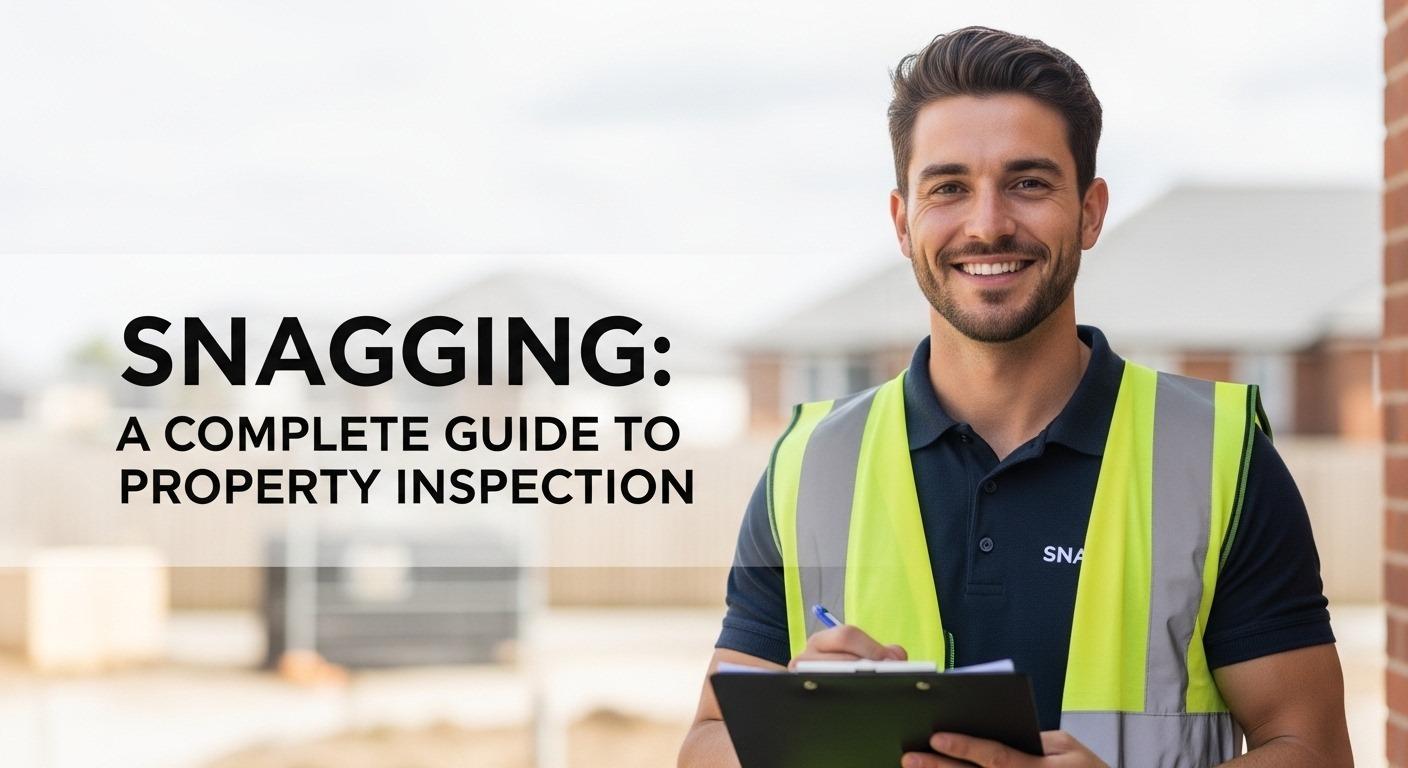
Property inspection is an essential process that helps property buyers, sellers, investors, and owners understand the actual condition of a property. Whether someone is purchasing a residential home, commercial building, or rental property, an inspection provides valuable information about the structure, systems, and overall condition of the property.
Many property-related problems remain hidden until a professional inspection is conducted. Issues such as water damage, structural weaknesses, roofing concerns, electrical faults, and plumbing defects may not be visible during a simple property viewing. A thorough inspection helps uncover these issues before they become costly repairs.
In today's real estate market, property inspection has become a standard practice because it protects investments and helps people make informed decisions. It provides peace of mind and reduces the chances of unexpected expenses after a purchase.
What Is Property Inspection?
Property inspection is a detailed examination of a property's physical condition. The purpose is to identify defects, maintenance issues, safety concerns, and areas that may require repair or replacement.
During the inspection process, various components of the property are assessed, including the foundation, roof, walls, floors, electrical systems, plumbing systems, heating and cooling equipment, doors, windows, and exterior features.
The findings are usually documented in a detailed report that highlights existing issues and recommends potential solutions. This report becomes an important tool for buyers, sellers, and property owners.
Why Property Inspection Is Important
Property inspection plays a significant role in real estate transactions and property management. It provides a clear understanding of a property's condition and helps prevent future surprises.
One of the biggest advantages is risk reduction. Buyers can identify major issues before completing a purchase, allowing them to negotiate repairs or reconsider their decision if necessary.
For sellers, inspections help identify problems before listing a property. Addressing these concerns early can increase buyer confidence and improve the chances of a successful sale.
Property owners also benefit from routine inspections because they can detect maintenance issues before they become major problems. Early repairs often save money and extend the lifespan of important property components.
Key Areas Covered During Property Inspection
A comprehensive property inspection covers multiple areas to ensure every major component is functioning properly.
Structural Components
The structural integrity of a property is one of the most important aspects of an inspection. Inspectors examine foundations, walls, ceilings, floors, and supporting structures to identify signs of movement, cracking, or damage.
Structural issues can affect safety and may require significant repairs if left unresolved.
Roofing System
The roof protects the entire property from weather-related damage. Inspectors check for leaks, damaged materials, drainage problems, and signs of wear.
A damaged roof can lead to moisture issues, mold growth, and costly repairs.
Electrical Systems
Electrical inspections focus on wiring, outlets, switches, panels, and safety features. Faulty electrical systems can create fire hazards and pose serious risks to occupants.
A detailed inspection helps identify outdated or unsafe electrical components.
Plumbing Systems
Plumbing inspections evaluate pipes, fixtures, water pressure, drainage systems, and potential leaks.
Undetected plumbing issues can lead to water damage, increased utility costs, and structural deterioration.
Heating and Cooling Systems
Heating and cooling equipment is inspected to ensure proper operation and efficiency.
Well-maintained systems improve comfort, reduce energy consumption, and extend equipment lifespan.
Interior Features
Inspectors examine walls, ceilings, floors, windows, doors, and visible finishes.
They look for signs of damage, moisture intrusion, poor workmanship, or wear that may require attention.
Exterior Features
The exterior inspection includes driveways, pathways, siding, fences, drainage systems, and landscaping.
Proper drainage and exterior maintenance are essential for protecting the property from water-related issues.
Benefits of Property Inspection
Property inspection offers numerous benefits that help buyers and owners make confident decisions.
Better Decision-Making
A property inspection provides accurate information about the property's condition. This allows buyers and investors to evaluate whether the property meets their expectations and budget.
Cost Savings
Identifying problems early can prevent expensive repairs in the future. Small maintenance issues are often easier and less costly to fix before they worsen.
Increased Safety
Inspections help identify safety hazards such as faulty wiring, structural weaknesses, or plumbing issues. Addressing these concerns improves the safety of occupants.
Stronger Negotiation Position
Inspection findings can be used during negotiations. Buyers may request repairs, price adjustments, or other concessions based on the property's condition.
Peace of Mind
Knowing the true condition of a property provides confidence and reduces uncertainty during real estate transactions.
Property Inspection for Home Buyers
For home buyers, a property inspection is one of the most important steps in the purchasing process.
A property may appear attractive on the surface, but hidden issues can significantly affect its value and future maintenance costs. An inspection helps buyers understand exactly what they are purchasing.
The inspection report provides insight into current conditions, potential repairs, and areas that may require future maintenance. This information helps buyers make informed financial decisions.
Property Inspection for Sellers
Sellers can benefit greatly from conducting a property inspection before listing their property.
A pre-sale inspection helps identify defects that may discourage buyers or delay the transaction process. By addressing issues in advance, sellers can improve the property's presentation and marketability.
Transparency also builds trust with potential buyers and can contribute to smoother negotiations.
Property Inspection for Property Investors
Investors often rely on property inspections when evaluating investment opportunities.
An inspection helps determine the property's condition, repair requirements, and maintenance expenses. This information is essential when calculating potential returns and assessing investment risks.
For rental properties, inspections also help ensure the property remains safe and attractive for tenants.
Common Problems Found During Property Inspections
Property inspections frequently uncover issues that may not be immediately visible during a regular viewing.
Common findings include roof leaks, plumbing leaks, electrical concerns, drainage problems, moisture intrusion, damaged flooring, foundation cracks, ventilation issues, and deteriorating building materials.
While not every issue is serious, understanding these conditions allows property owners to plan repairs and maintenance effectively.
How to Prepare for a Property Inspection
Preparing for a property inspection can help ensure a smooth and efficient process.
Property owners should provide access to all areas of the property, including utility rooms, attics, basements, garages, and exterior spaces.
Maintenance records, repair documentation, and warranties should be readily available if applicable.
Removing obstacles and ensuring clear access to inspection areas allows inspectors to conduct a more thorough evaluation.
Choosing the Right Property Inspection Service
Selecting a qualified inspection professional is important for obtaining accurate results.
Experience, knowledge, attention to detail, and strong reporting practices are valuable qualities to consider. A detailed inspection report should clearly explain findings and provide recommendations for addressing identified issues.
Choosing a reputable inspection service helps ensure confidence in the inspection process and the final report.
The Future of Property Inspection
Advancements in technology continue to improve the property inspection industry. Modern inspection methods may include digital reporting, thermal imaging, moisture detection tools, and advanced documentation techniques.
These innovations help inspectors identify hidden issues more efficiently and provide clients with detailed information about property conditions.
As technology evolves, property inspections are becoming more accurate, comprehensive, and valuable for property owners and buyers.

 English
 Arabic
 French
 Spanish
 Portuguese
 Deutsch
 Turkish
 Dutch
Dutch
 Russian
 Romaian
 Portuguese (Brazil)
 Greek
Greek