


Discover the March Birth Flower | Daffodil Meanings Explained
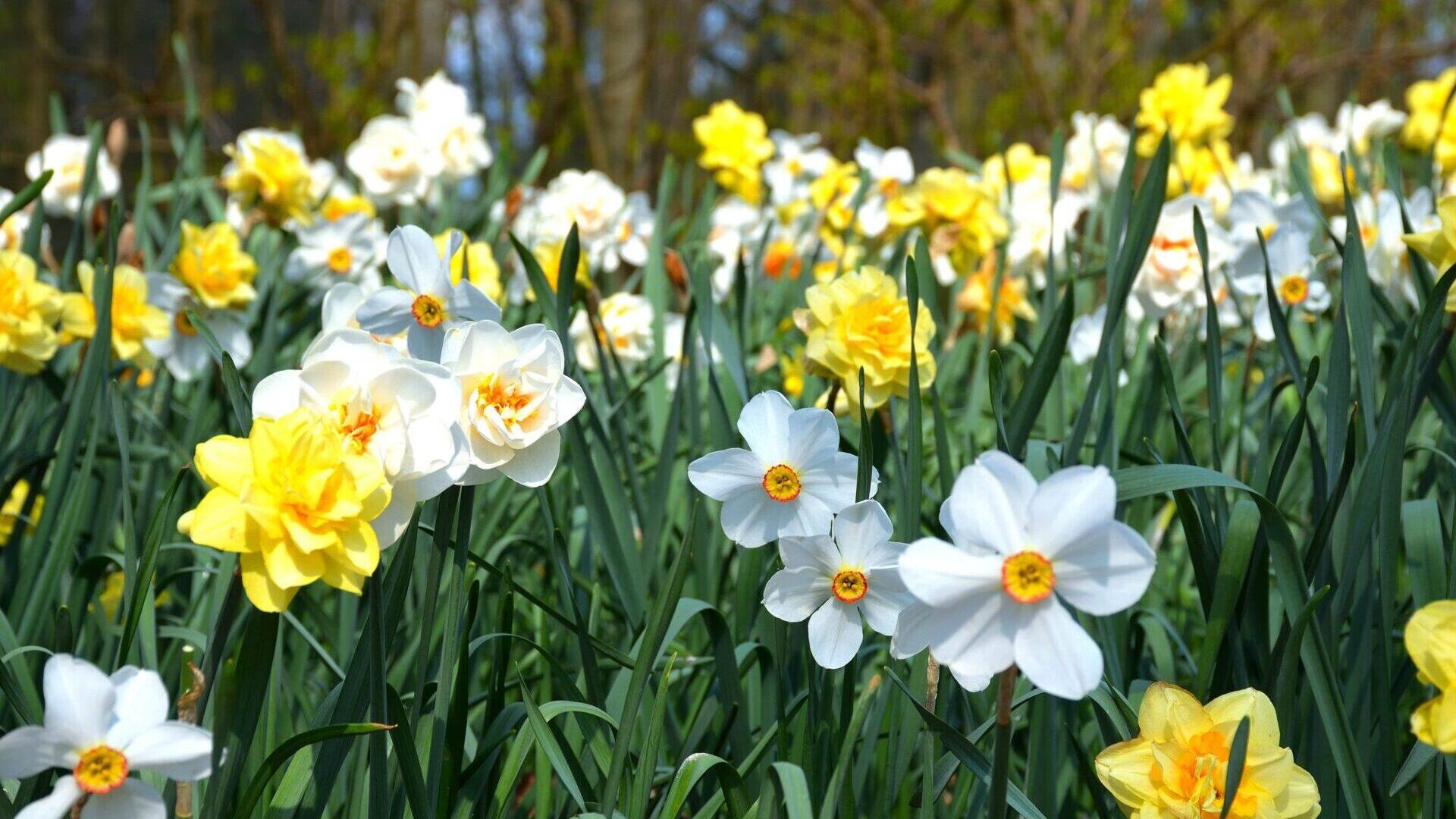
Every month of the year has a symbolic flower that captures its spirit and essence. For the month of March, that flower is the Daffodil, a bright and cheerful bloom that symbolizes new beginnings, renewal, and hope. Known for its vibrant yellow color and delicate trumpet-shaped petals, the daffodil represents the joyful transition from winter to spring. The March Birth Flower carries a deep meaning rooted in mythology, cultural traditions, and the natural cycle of life.
The Beauty and Symbolism of Daffodils
The daffodil, scientifically known as Narcissus, is one of the most beloved springtime flowers. Its sunny hue and graceful shape have made it a timeless symbol of rebirth and positivity. When daffodils emerge from the earth after a long winter, they signal the arrival of warmth, light, and new growth.
In many cultures, daffodils are associated with joy, prosperity, and hope. They are often seen as the embodiment of resilience — a reminder that beauty can bloom even after the harshest season. This spirit of renewal perfectly reflects the message behind the March Birth Flower, celebrating those born in this vibrant month.
Historical Roots and Myths
The name Narcissus originates from Greek mythology. According to legend, a young man named Narcissus was so captivated by his reflection that he fell into a pool of water and transformed into a flower. This story gave rise to the daffodil’s scientific name and its connection to themes of self-reflection, inner beauty, and awareness.
In ancient Rome, daffodils were given as gifts to celebrate victory and success. They symbolized triumph over adversity and the strength to start anew. Over time, this symbolism evolved to represent not only personal renewal but also collective rejuvenation — a fitting message for the March Birth Flower, which blooms at the very start of spring.
Daffodils in Different Cultures
Across the world, daffodils hold special meanings that vary slightly depending on local traditions and beliefs.
In Western Culture
In the Western world, daffodils are primarily associated with happiness and hope. They are a common feature in spring festivals and Easter celebrations, symbolizing resurrection and new beginnings. The bright yellow petals are thought to bring sunlight and positivity into one’s life, much like the fresh energy that defines those born under the March Birth Flower.
In Chinese Culture
In Chinese culture, daffodils are a symbol of good fortune and prosperity. They are often used in Lunar New Year celebrations as a charm for success and career advancement. The belief is that when a daffodil blooms precisely at New Year, it brings luck and blessings to the household.
In Welsh Tradition
In Wales, the daffodil is a national symbol and is worn proudly on St. David’s Day, celebrated on March 1st. It represents the beginning of spring and the strength of Welsh pride. This cultural connection strengthens the identity of the March Birth Flower, linking it to national heritage and renewal.
The Spiritual Meaning of the March Birth Flower
Spiritually, daffodils are deeply connected to the energy of transformation. They remind people that change is necessary for growth and that new beginnings bring fresh opportunities. For those born in March, the daffodil acts as a personal emblem of optimism and endurance.
The March Birth Flower encourages individuals to embrace life’s cycles — to let go of the past and step confidently into the future. It symbolizes the dawn of a new chapter and serves as a gentle reminder that every ending brings a new beginning. This spiritual resonance makes daffodils an inspiring gift for anyone starting a new journey in life.
Colors and Their Unique Meanings
Although yellow daffodils are the most popular, these flowers also come in shades of white, orange, and pale pink. Each color carries its own symbolism:
-
Yellow Daffodils: Represent happiness, friendship, and positivity.
-
White Daffodils: Symbolize purity and forgiveness.
-
Orange or Peach Daffodils: Reflect enthusiasm, creativity, and energy.
-
Pink Daffodils: Stand for grace and admiration.
Together, these varieties highlight the depth and diversity of the March Birth Flower, making it a meaningful bloom for every occasion.
Daffodils in Literature and Art
The daffodil has long been celebrated in art, poetry, and literature as a symbol of joy and natural beauty. One of the most famous references appears in William Wordsworth’s poem “I Wandered Lonely as a Cloud,” where he describes a field of golden daffodils dancing in the breeze. This imagery captures the flower’s ability to uplift the human spirit and inspire a sense of peace and wonder.
Painters from various eras have also depicted daffodils to express renewal and hope. Their vivid color and delicate form make them a favorite subject for springtime art, representing both simplicity and splendor — much like the charm of the March Birth Flower itself.
Gifting Daffodils and Their Significance
Daffodils make a perfect gift for birthdays, anniversaries, and housewarmings — especially for those born in March. Their lively colors brighten any space and carry positive energy.
When gifted in a bouquet, daffodils are believed to bring happiness and good luck. However, according to tradition, it’s best to give daffodils in bunches rather than singly. A single daffodil can signify misfortune, while a cluster symbolizes joy and abundance. This belief further enhances the daffodil’s association with unity and prosperity, qualities that define the March Birth Flower.
Growing and Caring for Daffodils
Daffodils are among the easiest flowers to grow, making them a favorite for gardeners worldwide. They thrive in well-drained soil and prefer a sunny or partially shaded spot.
Planting daffodil bulbs in autumn ensures they bloom beautifully in spring, bringing early color to gardens. Once they flower, daffodils require minimal maintenance, representing resilience and the effortless renewal of life — the same spirit captured by the March Birth Flower.
Conclusion
The March Birth Flower, the daffodil, is much more than a vibrant bloom — it is a timeless emblem of hope, renewal, and joy. From its mythological roots to its presence in modern celebrations, the daffodil continues to inspire with its message of resilience and rebirth.
For those born in March, this radiant flower reflects their bright, optimistic nature and their ability to embrace change with grace. Whether admired in a garden, gifted as a symbol of friendship, or cherished as a spiritual reminder of new beginnings, the daffodil remains a true icon of spring’s beauty and promise.

 Arabic
 French
 Spanish
 Portuguese
 Deutsch
 Turkish
 Dutch
Dutch
 Italiano
 Russian
 Romaian
 Portuguese (Brazil)
 Greek
Greek