


How Residential Fence Installation Enhances Safety, Design, and Outdoor Living
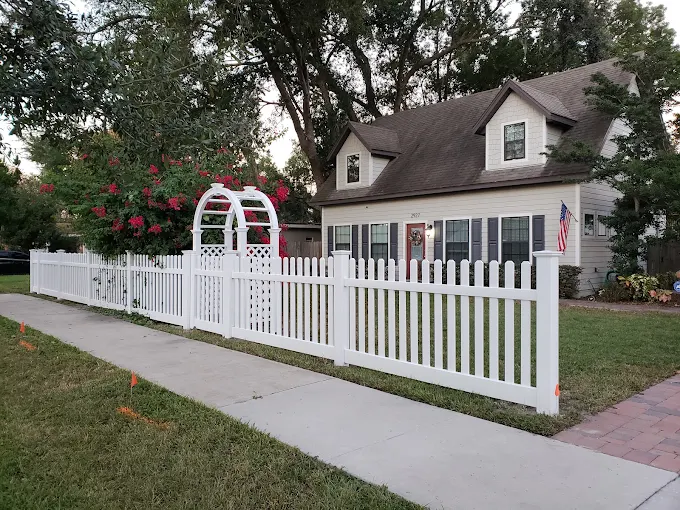
Residential fence installation plays a crucial role in shaping the way homeowners use and enjoy their outdoor spaces. As outdoor living becomes a central feature of modern home design, fences are no longer simple barriers—they are extensions of lifestyle, architecture, and personal priorities. From increasing safety for children and pets to elevating property design, fencing is an essential part of creating a functional and appealing environment.
The Growing Importance of Residential Fencing
Homeowners have more reasons than ever to invest in fencing. Increasing urban density and the desire for quiet, private outdoor areas have made fences a vital part of residential planning. They also act as the first line of protection for homes located near busy roads, wildlife areas, or shared community spaces.
A thoughtfully designed fence provides peace of mind by securing the perimeter and reducing exposure to external disturbances. At the same time, it boosts a home’s aesthetic value, enhancing landscaping and exterior design elements.
Types of Fences That Transform Homes
Different types of fences support different goals. The material and style chosen for residential fence installation significantly influence how the final project looks and performs.
Privacy Fences
Tall wood, vinyl, or composite fences are perfect for creating secluded outdoor spaces. They block visibility, reduce noise, and help establish peaceful areas for relaxation.
Security Fences
Metal fences, particularly steel and aluminum, offer strength and durability. Their sturdy construction helps deter unwanted access while maintaining visual appeal.
Decorative Fences
Low picket fences, split-rail fences, and ornamental metal designs enhance curb appeal. These styles frame gardens and walkways with elegance.
Pet and Child Safety Fences
Fences with secure posts, durable materials, and minimal gaps keep children and animals safe while allowing them ample room to move and play.
The Installation Process Explained
Professional residential fence installation follows a systematic approach to ensure structural integrity and longevity.
-
Site Inspection
Installers evaluate the terrain, yard conditions, and any challenges such as slopes or underground utilities. -
Design and Material Selection
Homeowners choose a style that matches their functional and aesthetic goals. -
Post Installation
Posts serve as the foundation. They must be aligned correctly and anchored deeply. -
Panel or Picket Attachment
Once posts are set, installers secure panels, rails, or pickets to create the fence structure. -
Finishing Work
Gates, hardware, caps, and treatments complete the fence and prepare it for long-term use.
Long-Term Care and Performance
A well-installed fence should withstand weather, wear, and time. Proper care depends on the chosen material:
-
Wood needs sealing and occasional repairs.
-
Vinyl requires washing but minimal maintenance.
-
Metal should be inspected for rust or loose hardware.
-
Composite benefits from light cleaning to maintain color and texture.
A consistent maintenance routine keeps the fence attractive and functional.
Enhancing Outdoor Living Through Fencing
Residential fence installation contributes to building better outdoor experiences. Families can safely host gatherings, create garden zones, or establish entertainment spaces without external distractions. Fences also help define backyard layouts, supporting features such as patios, fire pits, and outdoor kitchens.
Conclusion
Residential fence installation is a transformative upgrade that strengthens security, enhances beauty, and enriches outdoor living. By selecting the right materials, ensuring quality installation, and maintaining the structure properly, homeowners create a lasting feature that supports both lifestyle and property value. A well-designed fence is not just a boundary—it is a meaningful extension of the home itself.

 Arabic
 French
 Spanish
 Portuguese
 Deutsch
 Turkish
 Dutch
Dutch
 Italiano
 Russian
 Romaian
 Portuguese (Brazil)
 Greek
Greek