


HR Strategy Alignment for Strong Business Growth
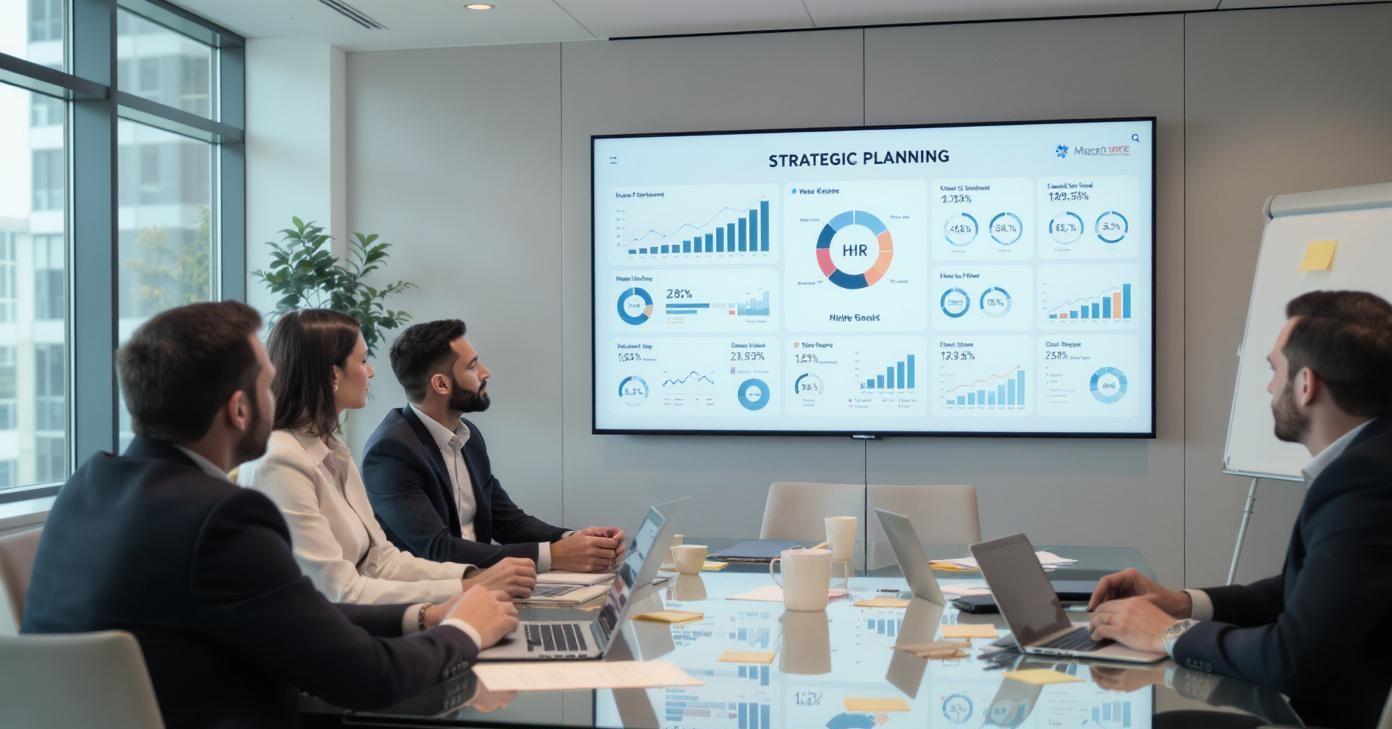
Organizations that Align HR Strategy with business objectives achieve higher efficiency, stronger engagement, and sustainable growth. HR is no longer limited to administrative functions but plays a critical role in driving organizational performance. Strategic HR ensures that talent initiatives, workforce planning, and employee development align with the company’s mission and long-term goals. By integrating HR practices with business strategy, companies can create a motivated workforce that contributes directly to revenue growth, innovation, and competitive advantage.
The Importance of Strategic HR Planning
Strategic HR planning allows organizations to identify the skills, competencies, and behaviors required to achieve business goals. Without alignment, HR activities risk being disconnected from the company’s priorities, leading to inefficiencies, disengaged employees, and lost opportunities. By evaluating current workforce capabilities, identifying skill gaps, and forecasting future requirements, HR leaders can design programs that support critical business initiatives. Aligning HR strategy with organizational goals ensures that human capital investments deliver measurable outcomes and tangible value.
Conducting Organizational Assessments
A thorough organizational assessment is essential to link HR initiatives with business objectives. HR leaders should evaluate workforce composition, leadership capabilities, talent gaps, and the effectiveness of existing HR programs. This assessment helps prioritize actions, allocate resources effectively, and focus on initiatives that deliver the highest strategic impact. For instance, if a company plans to launch a new product line, HR must ensure the workforce possesses the necessary technical expertise, leadership capacity, and operational readiness.
Effective Talent Acquisition and Recruitment
Talent acquisition is a cornerstone of HR strategy alignment. Recruiting individuals who embody the company’s values and possess the right skills is essential for achieving business success. HR teams should collaborate with leadership to define role requirements, develop sourcing strategies, and forecast talent needs. Beyond recruitment, structured onboarding programs ensure employees quickly understand their roles, company culture, and how their work contributes to business goals. A well-executed onboarding program positions employees for early success and long-term engagement.
Performance Management and Employee Accountability
Aligning performance management with business priorities is critical for driving organizational impact. Modern HR strategies emphasize clear goal-setting, regular feedback, and performance metrics linked to business outcomes. Employees who understand how their efforts contribute to organizational success are more motivated and accountable. Performance management systems also allow HR leaders to identify high-potential employees, implement development programs, and prepare future leaders, ensuring sustainable growth and continuity.
Boosting Employee Engagement
Employee engagement is strongly influenced by how well HR initiatives support business objectives. Engaged employees demonstrate higher productivity, commitment, and innovation. HR programs such as recognition, career advancement, and wellness initiatives must reflect both organizational priorities and employee needs. Analytics tools can monitor engagement levels, identify trends, and help HR leaders adjust strategies proactively. Companies that invest in engagement reap benefits in retention, morale, and operational performance.
Learning and Development Programs
Learning and development initiatives are crucial for equipping employees with skills needed to achieve strategic goals. HR teams should design programs that address both current performance gaps and anticipated future needs. Leadership development, technical training, and cross-functional skill enhancement help build a resilient and adaptable workforce. Linking learning programs directly to business objectives ensures employees gain the capabilities necessary to support organizational growth, innovation, and long-term success.
Compensation, Benefits, and Motivation
Strategic compensation and benefits programs align employee motivation with business outcomes. Reward structures should incentivize behaviors that drive organizational objectives, such as innovation, customer satisfaction, or sales performance. Benefits that address employee well-being, career growth, and work-life balance enhance engagement and retention. When compensation and benefits are carefully aligned with business strategy, employees are motivated to contribute effectively, fostering a culture of high performance and commitment.
Workforce Planning for Future Success
Workforce planning enables HR to anticipate talent requirements and align resources with organizational priorities. Strategic HR leaders analyze workforce data, business expansion plans, and market trends to develop recruitment, training, and succession strategies. Effective planning ensures the right people are in the right roles, minimizing skills gaps, turnover, and operational disruption. Workforce planning also allows companies to proactively address risks, such as labor shortages or demographic shifts, ensuring long-term stability and growth.
Leveraging HR Technology and Analytics
Modern HR technology provides the insights necessary for strategic alignment. Data-driven HR analytics can track employee performance, engagement, turnover, and skills development. Predictive analytics enables HR leaders to anticipate workforce challenges, plan succession, and measure the impact of initiatives on business outcomes. Integrating HR technology with business intelligence ensures that human capital strategies are aligned, optimized, and continuously refined to drive maximum organizational impact.
Leadership Collaboration and Strategic Partnership
The success of HR strategy alignment depends on collaboration between HR and organizational leadership. HR leaders must communicate the value of human capital initiatives and demonstrate how they support business objectives. By fostering a partnership with executives and managers, HR ensures alignment of priorities, reinforces accountability, and facilitates organizational change. A strategic HR function positioned as a trusted advisor contributes directly to improved decision-making, workforce effectiveness, and business performance.
About Us: BusinessInfoPro is a leading content platform dedicated to empowering business leaders and professionals with insights on digital transformation, emerging technologies, and industry trends. Through blogs, whitepapers, case studies, and webinars, they provide actionable information across sectors like finance, HR, IT, and marketing, helping organizations make informed strategic decisions and stay competitive in an ever-evolving business landscape.

 Arabic
 French
 Spanish
 Portuguese
 Deutsch
 Turkish
 Dutch
Dutch
 Italiano
 Russian
 Romaian
 Portuguese (Brazil)
 Greek
Greek