


How to Prevent Cloudy Pool Water in Hot and Humid Weather
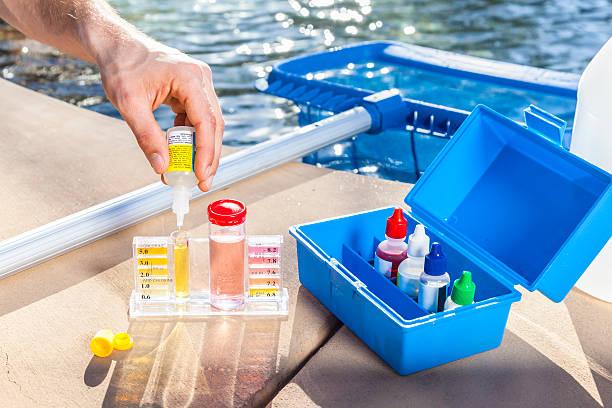
Maintaining a crystal-clear pool becomes increasingly challenging when temperatures rise and humidity levels peak. In hot climates, water chemistry shifts rapidly, organic contaminants multiply, and filtration systems struggle to keep up. With the right strategies, any pool owner can maintain perfect clarity even through the toughest summer conditions. This guide provides a detailed, professional approach to eliminating cloudiness and protecting your investment—ideal for anyone seeking reliable sarasota pool service standards in their own maintenance routine.
Understanding Why Pools Turn Cloudy in Humid Weather
High heat and humidity create the perfect breeding environment for algae, bacteria, and organic debris. These elements cloud the water, overwhelm sanitizing systems, and reduce overall water quality. Cloudiness typically arises from one or more of the following:
Excessive Organic Contaminants
Sweat, sunscreen, lotions, pollen, leaves, and even air pollution accumulate faster in hot, sticky weather. Without proper chemical balance and filtration, these tiny particles remain suspended, giving the water a dull or milky appearance.
Reduced Chlorine Efficiency
Chlorine evaporates faster in high heat and loses strength when sunlight and humidity interact with sanitizing molecules. When chlorine levels drop, algae and bacteria thrive—one of the top causes of cloudy water.
Overworked Filtration Systems
In summer conditions, filters capture more debris but may not run long enough to maintain clarity. Dirty or undersized filters also play a major role.
Optimize Water Chemistry to Prevent Cloudiness
Maintain the Ideal Chlorine Level
Keeping chlorine between 2–4 ppm ensures constant sanitizing power. In hot weather, chlorine demand rises significantly, so testing daily—or even twice daily during peak heat—is essential.
Stabilize Chlorine with Cyanuric Acid (CYA)
CYA protects chlorine from UV breakdown. The ideal range is 30–50 ppm for most pools. Without proper stabilizer levels, chlorine dissipates within hours.
Balance pH, Alkalinity, and Calcium Hardness
Improper pH and alkalinity create conditions where minerals fall out of solution and cloud the water. Keep these levels in check:
-
pH: 7.4–7.6
-
Total Alkalinity: 80–120 ppm
-
Calcium Hardness: 200–400 ppm
Balanced water prevents scaling, cloudy particles, and equipment strain.
Improve Filtration and Circulation During Hot Weather
Run the Pump Longer Each Day
During extreme heat and humidity, running the pump for 10–12 hours per day ensures proper turnover. Poor circulation leaves contaminants suspended and untreated.
Deep Clean or Backwash the Filter
A clogged filter cannot trap fine particles that cause cloudiness. Depending on your system:
-
Sand Filter: Backwash when pressure rises 8–10 psi
-
Cartridge Filter: Clean cartridges every 4–6 weeks
-
DE Filter: Backwash monthly and recharge with fresh DE
Inspect Pump Baskets and Skimmers
Debris obstructing water flow reduces filtration efficiency. Clean baskets frequently during summer, when leaves and pollen accumulate rapidly.
Prevent Algae Growth Before It Starts
Shock the Pool Weekly
Super-chlorinating the pool destroys organic buildup and restores clarity. Weekly shocking is crucial during hot months, even if the water looks clear.
Use an Algaecide as a Preventative
A high-quality algaecide helps suppress growth triggered by humidity and warm water. Consistent use prevents cloudiness caused by microscopic algae blooms.
Brush Pool Walls and Steps Frequently
Brushing removes early-stage algae before it becomes visible. Hot weather accelerates growth on shaded surfaces, steps, and corners with low circulation.
Remove Fine Particles That Cause Water Cloudiness
Add a Pool Clarifier
Clarifiers bind small particles together so the filter can capture them. Use them after storms, heavy pool use, or when humidity has caused visible haze.
Use a Flocculant for Severe Cloudiness
Flocculants sink fine debris to the bottom, where they can be vacuumed out manually. This is an effective solution for extremely cloudy water.
Protect Your Pool from Environmental Factors
Keep the Pool Covered When Not in Use
Covers prevent pollen, dust, insects, and organic debris from entering the water. They also reduce chemical loss from heat and evaporation.
Trim Trees and Reduce Plant Debris
Overhanging trees drop leaves, pollen, and sap—common causes of cloudy water. Keeping the surrounding landscape tidy helps maintain water clarity.
Manage Heavy Rain and Storm Water
Rain alters water chemistry and introduces contaminants. After storms:
-
Test all chemical levels
-
Shock the pool
-
Brush walls and steps
-
Clean filters and skimmers
Final Recommendations for Keeping Pool Water Clear All Summer
Consistent maintenance, strong circulation, and balanced chemistry are the foundations of cloud-free water during hot and humid weather. Increasing pump runtime, adjusting chemicals proactively, and maintaining equipment regularly will ensure your pool stays clear, healthy, and visually stunning all season long.

 Arabic
 French
 Spanish
 Portuguese
 Deutsch
 Turkish
 Dutch
Dutch
 Italiano
 Russian
 Romaian
 Portuguese (Brazil)
 Greek
Greek