


What Should Restaurants Look for When Sourcing Wholesale Coffee Beans
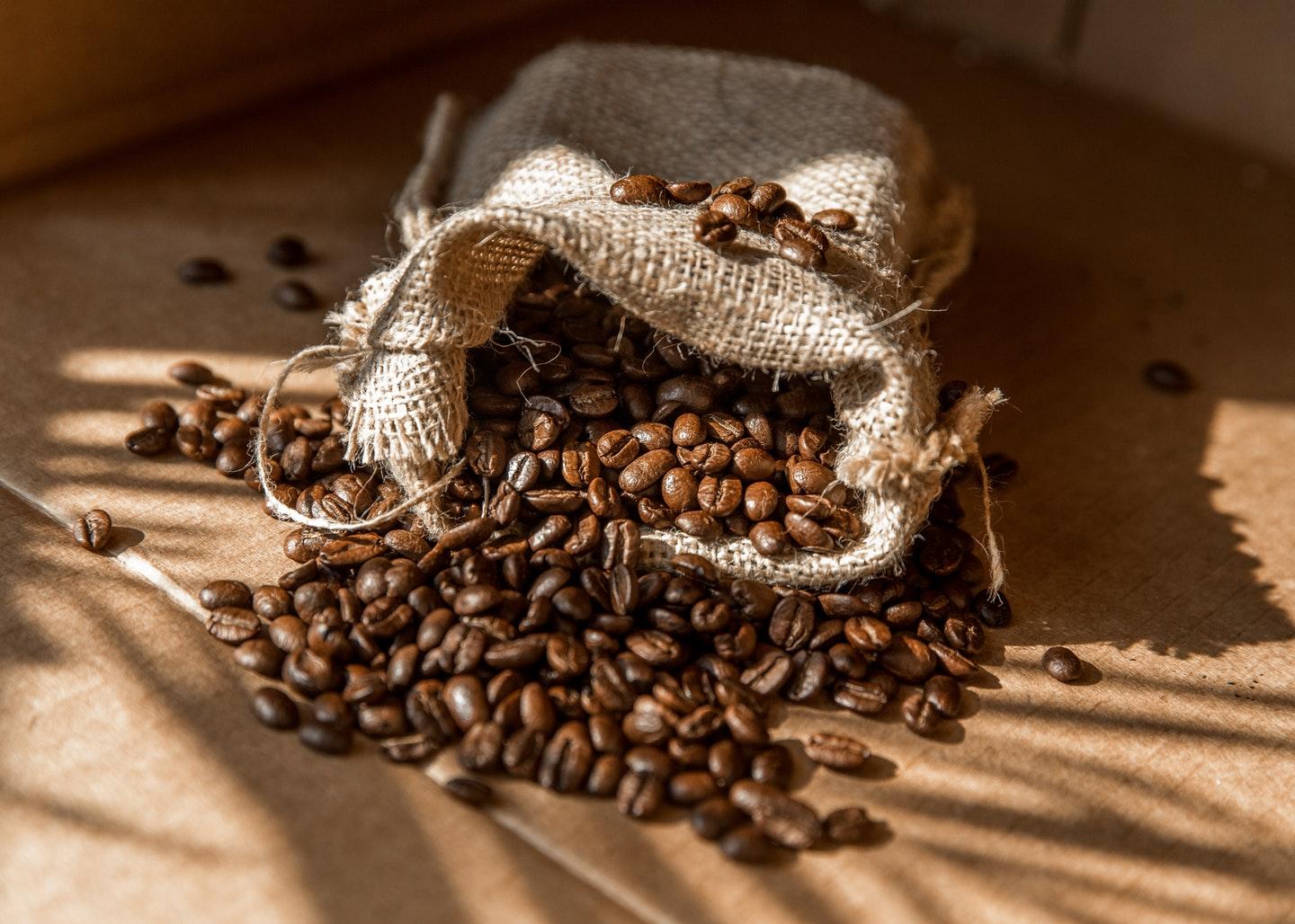
Coffee is rarely the main course at a restaurant, but it is almost always the last thing a guest drinks - and the last thing they remember. A disappointing espresso or a flat cup of drip at the end of an otherwise excellent meal can color the whole experience. That is a lot of weight for a single cup to carry, and it is exactly why sourcing coffee deserves more strategic thought than most restaurant operators give it.
Why Your Coffee Supplier Relationship Matters as Much as the Product
Most restaurants treat coffee as a commodity purchase - find the lowest price per pound, sign a contract, and move on. The problem with that approach is that you end up locked into a supplier who has no real stake in how well your coffee program performs. A better supplier relationship looks more like a partnership.
Flux Coffee, based in Farmingdale, New York, explicitly offers wholesale coffee beans with professional development services bundled in, including consultation and education for full-scale wholesale clients. That kind of support matters a great deal when you are training front-of-house staff to brew and serve coffee consistently every single shift.
Roasting Frequency and Why It Changes Everything
One of the most overlooked factors in restaurant coffee sourcing is how often the supplier actually roasts. A roaster who processes huge volumes once a month and warehouses the product is very different from one who roasts weekly in smaller batches and ships promptly after roasting.
Stale coffee is flatter, more bitter, and less forgiving when brewed, which means your kitchen staff is working harder to produce a cup that still falls short. Fresher beans are more consistent in extraction and reward proper technique with noticeably better results in the cup.
What to Ask Before Signing a Wholesale Agreement
Before committing to a wholesale supplier, restaurants should be asking the right questions up front:
• How frequently are beans roasted, and what is the typical time between roasting and delivery?
• What is the minimum order quantity, and does it work for your actual volume?
• Does the supplier offer kegged cold brew, or only whole bean and ground formats?
• Are there equipment rental, placement, or maintenance services included in the account?
• Is there staff training or barista consultation available as part of the wholesale relationship?
• Can the coffee offering rotate seasonally, or is the menu fixed year-round?
The Case for Working With a Local Roaster
National coffee distributors often offer the lowest unit prices and the most seamless logistics. But the trade-off is in quality consistency and responsiveness. When you have a problem - a bag that tastes off, a delivery that arrived late, a grinder setting that does not seem right - a local roaster picks up the phone. A national distributor sends you through a ticketing system.
For restaurants in the New York metro area, working with a Long Island roaster like Flux Coffee means local delivery, shorter supply chains, and fresher product on the table. Flux also ships throughout the US and Canada for accounts that are further afield but still want a relationship-driven approach to their coffee program.
Ethical Sourcing Should Be on Your Checklist Too
Restaurant guests are paying more attention than ever to where ingredients come from. That scrutiny now extends to coffee. Asking your supplier how they source their green beans - and whether they have direct or traceable relationships with farms - is a reasonable part of the evaluation process.
Flux Coffee positions ethical sourcing as a core value, not a marketing badge. The beans on their menu come from specific origins - Colombia, Ethiopia, Peru, Mexico - and the sourcing decisions are made with transparency in mind. For restaurants that want to put origin information on their menu or train servers to speak knowledgeably about the coffee, that traceability is genuinely useful.
Equipment and Maintenance Should Be Part of the Conversation
A great wholesale bean paired with a poorly calibrated or under-maintained machine produces mediocre coffee. Some wholesale partners - including Flux Coffee - offer machine maintenance services alongside the coffee account. That kind of bundled support removes a significant operational headache for restaurant managers who do not have in-house expertise in espresso equipment.
If your current wholesale supplier only sells you beans and leaves you to figure out everything else, it might be worth revisiting whether that relationship is actually serving your program.
Frequently Asked Questions
How do I calculate the right wholesale coffee volume for my restaurant?
Start by tracking your current weekly coffee sales or consumption in grams or pounds, then factor in waste and staff drinks. A good wholesale partner will help you work backward from your order frequency to find the right batch size - one that ensures you are always brewing beans within a week or two of their roast date rather than letting inventory sit for months.
Is kegged cold brew a viable option for restaurant menus?
Kegged cold brew has grown significantly as a restaurant offering because it eliminates the daily prep time of batch brewing, ensures consistency from the first pour to the last, and integrates neatly into existing tap systems. Flux Coffee offers kegged cold brew as part of its wholesale service catalog, which is worth exploring if your menu has demand for it.
What should I do if my wholesale coffee starts tasting inconsistent?
Inconsistency in brewed coffee usually traces back to one of three things: a change in the bean lot, equipment calibration drift, or a shift in brew ratios at the staff level. Before calling your supplier, check your grinder settings and dose weights first. If those are consistent and the issue persists across different batches, bring it to your supplier with specific details - flavor description, brew method, grind setting, and how long since the roast date. A good wholesale partner will troubleshoot with you.

 Arabic
 French
 Spanish
 Portuguese
 Deutsch
 Turkish
 Dutch
Dutch
 Italiano
 Russian
 Romaian
 Portuguese (Brazil)
 Greek
Greek