


Cannabis Nutrients Explained
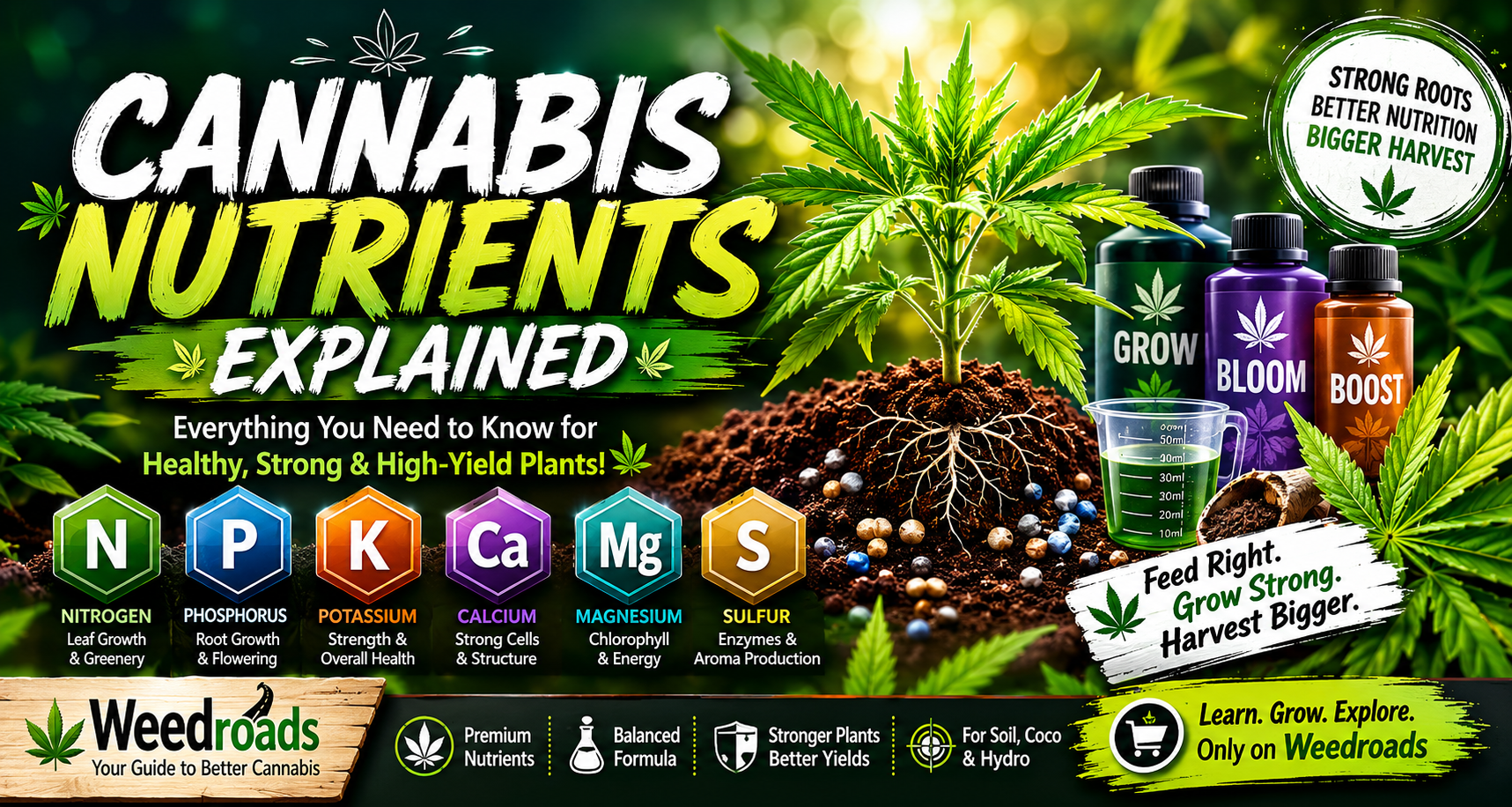
Growing healthy cannabis plants requires more than just water, sunlight, and quality genetics. One of the most important factors behind a successful harvest is providing the right nutrients throughout every stage of the plant's life cycle. Whether you're a beginner or an experienced grower, understanding cannabis nutrients can significantly improve plant health, yield, and overall quality.
In this guide, we'll explain the essential nutrients cannabis plants need, how they work, common deficiency symptoms, and why choosing quality products from trusted suppliers matters. We'll also briefly discuss The Different Types of Cannabis Products, helping readers understand the cannabis industry beyond cultivation.
 Why Are Cannabis Nutrients Important?
Cannabis plants rely on nutrients to complete vital biological processes, including photosynthesis, root development, flower production, and resistance against pests and diseases. Without balanced nutrition, plants may experience slow growth, yellow leaves, nutrient lockout, or reduced yields.
Unlike many garden plants, cannabis has changing nutritional requirements throughout its life cycle. Understanding these changes helps growers provide exactly what the plant needs at the right time.
The Three Primary Macronutrients
Cannabis plants require three major nutrients in the largest amounts.
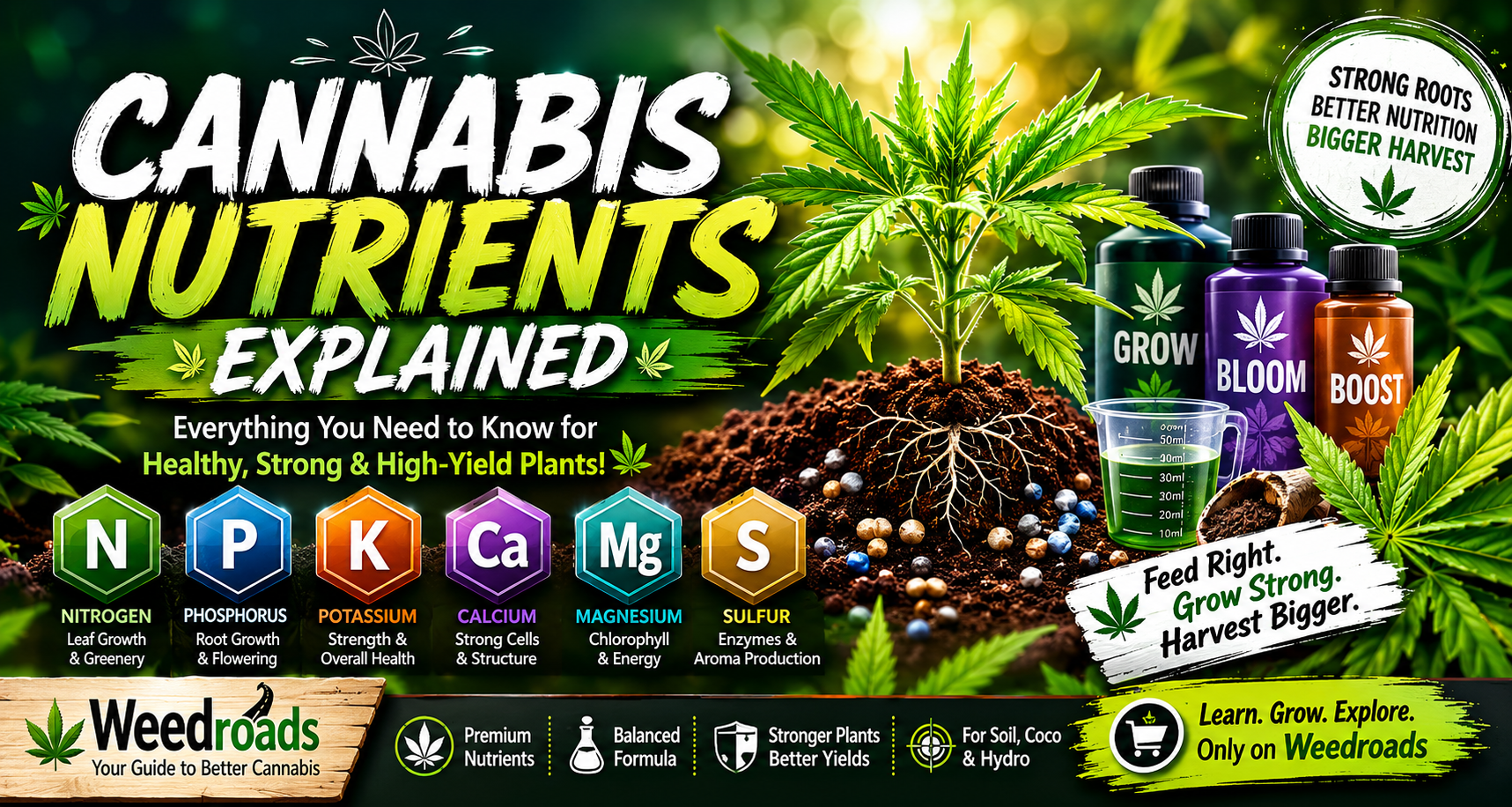
Nitrogen (N)
Nitrogen supports leafy green growth and chlorophyll production. During the vegetative stage, cannabis plants consume large amounts of nitrogen because they are rapidly developing stems and leaves.
Benefits include:
- Faster vegetative growth
- Healthy green foliage
- Strong stem development
- Improved photosynthesis
Nitrogen deficiency often appears as yellowing older leaves and slow overall growth.
Phosphorus (P)
Phosphorus becomes especially important during flowering. It promotes strong root systems and supports the development of buds.
Benefits include:
- Better root growth
- Increased flower production
- Enhanced energy transfer within the plant
- Improved plant maturity
Low phosphorus levels may result in dark leaves, weak flowering, and slow plant development.
Potassium (K)
Potassium strengthens plant cells and improves overall plant health. It also helps regulate water movement and supports resistance to environmental stress.
Benefits include:
- Stronger stems
- Better disease resistance
- Improved bud quality
- Enhanced nutrient transportation
Potassium deficiencies often cause leaf edges to turn brown or appear burnt.
Essential Secondary Nutrients
While needed in smaller quantities, secondary nutrients remain equally important.
Calcium
Calcium strengthens cell walls and promotes healthy root development. It also supports nutrient absorption and overall structural integrity.
Magnesium
Magnesium is a key component of chlorophyll, allowing cannabis plants to convert sunlight into energy efficiently.
A magnesium deficiency commonly appears as yellowing between leaf veins while the veins remain green.
Sulfur
Sulfur contributes to enzyme production and supports the creation of proteins and aromatic compounds that influence cannabis quality.
Important Micronutrients
Micronutrients are required in tiny amounts but play significant roles in healthy plant growth.
Important micronutrients include:
- Iron
- Zinc
- Boron
- Copper
- Manganese
- Molybdenum
- Chlorine
Even though plants use only small amounts of these nutrients, deficiencies can quickly affect overall health and development.
Nutrient Requirements During Each Growth Stage
Seedling Stage
Young seedlings require very light feeding. Overfeeding during this stage can easily damage delicate roots.
Focus on:
- Mild nutrient solutions
- Balanced moisture
- Healthy root development
Vegetative Stage
This is the fastest growth period. Plants require higher nitrogen levels to build leaves and stems.
Recommended focus:
- High nitrogen fertilizers
- Calcium supplementation
- Magnesium support
Flowering Stage
As flowering begins, nutrient priorities shift toward phosphorus and potassium.
This stage supports:
- Bud formation
- Resin production
- Flower density
- Overall yield
Reducing nitrogen while increasing phosphorus and potassium generally produces better flowering results.
Organic vs. Synthetic Nutrients
Both nutrient types have advantages depending on growing preferences.
Organic Nutrients
Organic nutrients come from natural sources like compost, fish emulsion, worm castings, kelp, and bone meal.
Advantages include:
- Improved soil biology
- Sustainable cultivation
- Rich microbial activity
- Natural nutrient release
Synthetic Nutrients
Synthetic nutrients are manufactured to provide precise nutrient ratios.
Advantages include:
- Fast nutrient availability
- Easier measurement
- Greater control
- Consistent formulations
Many growers choose a combination of both approaches depending on their cultivation goals.
Common Nutrient Deficiencies
Learning to identify deficiencies early can save an entire crop.
Nitrogen Deficiency
Symptoms:
- Yellow lower leaves
- Slow growth
- Weak stems
Calcium Deficiency
Symptoms:
- Brown spots
- Twisted new leaves
- Poor root growth
Magnesium Deficiency
Symptoms:
- Yellow areas between veins
- Leaf curling
- Reduced vigor
Potassium Deficiency
Symptoms:
- Brown leaf edges
- Weak flowering
- Poor stress resistance
Proper pH management is equally important because nutrient lockout can occur even when nutrients are present.
pH and Nutrient Absorption
Many growers overlook pH, but it directly affects nutrient uptake.
Generally recommended ranges include:
- Soil: 6.0–7.0
- Hydroponics: 5.5–6.5
Maintaining the proper pH allows roots to absorb nutrients efficiently while preventing lockout.
Choosing High-Quality Cannabis Nutrients
Quality nutrients can make a noticeable difference in plant performance. When selecting products, consider:
- Transparent ingredient labels
- Complete nutrient profiles
- Positive customer reviews
- Reliable manufacturer reputation
- Compatibility with your growing medium
Investing in reputable nutrient brands often leads to healthier plants and more consistent harvests.
The Different Types of Cannabis Products
Understanding cultivation also helps consumers appreciate The Different Types of Cannabis Products available today. Cannabis is processed into a wide variety of products designed for different preferences and uses.
Popular cannabis product categories include:
- Cannabis flower
- Pre-rolls
- Concentrates
- Edibles
- Vape cartridges
- Tinctures
- Oils
- Capsules
- Topicals
- Beverages
Each product type offers unique characteristics, making it important for consumers to choose products that align with their individual needs and local regulations.
Where to Buy Quality Cannabis Products
Finding reliable suppliers is just as important as choosing quality nutrients. Many consumers look to well-known dispensaries and cannabis retailers such as Leafly, Curaleaf, Trulieve, Cookies, and Rise Dispensaries when searching for licensed cannabis products where permitted by local law.
If you're looking for educational resources and helpful information about cannabis cultivation, products, and industry trends, Weedroads is another valuable platform worth exploring. It provides useful content for beginners and experienced cannabis enthusiasts while helping readers stay informed about responsible cannabis practices.
Always purchase cannabis products from licensed and legally authorized retailers in your region to ensure product safety, quality, and compliance with local regulations.
Final Thoughts
Healthy cannabis plants depend on proper nutrition throughout every stage of growth. Understanding macronutrients, secondary nutrients, micronutrients, pH balance, and feeding schedules allows growers to maximize plant health and improve harvest quality.
Whether you're cultivating cannabis for educational purposes where legally permitted or simply learning about plant science, mastering nutrient management is one of the most valuable skills you can develop. Combined with quality genetics, proper lighting, and good environmental conditions, the right nutrient program lays the foundation for strong growth and successful cultivation.
As the cannabis industry continues to evolve, understanding cultivation techniques and The Different Types of Cannabis Products helps both growers and consumers make informed decisions. By purchasing from reputable companies and staying educated through trusted resources like Weedroads, you'll be better equipped to achieve excellent results and enjoy a safer, more informed cannabis experience.

 Arabic
 French
 Spanish
 Portuguese
 Deutsch
 Turkish
 Dutch
Dutch
 Italiano
 Russian
 Romaian
 Portuguese (Brazil)
 Greek
Greek