


A Complete Guide to Temperature and Humidity Test Chambers: Ensuring Product Reliability Through Environmental Testing
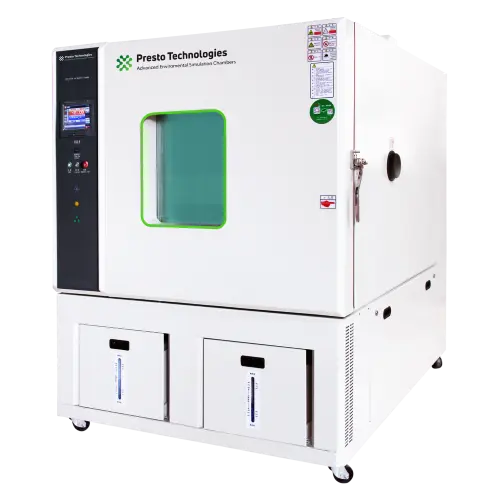
Modern manufacturing demands products that can perform reliably under a wide range of environmental conditions. Whether it’s electronics, automotive components, packaging materials, pharmaceuticals, plastics, or consumer goods—every product interacts with the environment in some way. Temperature fluctuations, moisture, and climatic variations can impact performance and durability. This is why environmental testing has become a critical part of quality control, and one of the most important tools for this purpose is the temperature and humidity test chamber.
These advanced testing instruments recreate real-world environmental conditions to evaluate how products respond to humidity, temperature, and long-term climatic exposure. This article provides a detailed understanding of temperature and humidity test chambers, their benefits, applications, types, pricing factors, and the growing demand for environmental chambers, including humidity environmental chambers and humidity climatic chambers.
What Is a Temperature and Humidity Test Chamber?
A temperature and humidity test chamber is an advanced environmental simulation device used to expose products to controlled temperature and moisture levels. These chambers help manufacturers test how their materials, electronics, and components react to:
-
High humidity
-
Low humidity
-
Rapid or gradual temperature fluctuations
-
Combined humidity-temperature cycles
-
Long-term climatic exposure
By conducting these tests, companies can detect early-stage weaknesses, ensure regulatory compliance, and develop stronger, more durable products.
Understanding Environmental Chambers
An environmental chamber is a broader category of testing equipment designed to simulate environmental conditions such as temperature, humidity, pressure, light, and vibration. While some chambers offer specialized testing—such as thermal shock or UV exposure—many industries prefer combined functionality, which is where humidity environmental chambers come into play.
A humidity environmental chamber specifically focuses on controlling moisture levels, but when combined with temperature simulation, it becomes a versatile tool used in environmental testing labs across the globe.
How a Temperature and Humidity Test Chamber Works
These chambers combine multiple systems to deliver consistent and accurate environmental conditions. The main components include:
1. Heating and Cooling System
The chamber uses advanced refrigerants and heating elements to regulate temperature, often ranging from -40°C to +150°C, depending on the model.
2. Humidification System
Humidity is controlled using steam generators or water atomizers to increase moisture levels.
3. Dehumidification System
Moisture is removed using cooling coils or desiccant technology to reach low humidity ranges.
4. Sensors and Controllers
High-accuracy humidity and temperature sensors continuously monitor chamber conditions.
5. Air Circulation Mechanism
Uniform airflow ensures consistent conditions throughout the chamber.
6. Stainless Steel Interior
Prevents corrosion and provides a stable structure for long-term use.
By integrating these systems, environmental chambers deliver precise, repeatable test results critical for quality assurance.
Applications of Humidity Environmental Chambers Across Industries
Humidity and temperature testing is essential in industries where moisture and climate can impact product performance. Key application areas include:
1. Electronics and Electrical Components
Humidity can cause corrosion, insulation breakdown, short circuits, and malfunctioning in PCBs and electronic components. A humidity climatic chamber helps identify these issues early.
2. Automotive and Aerospace
Vehicles experience diverse climates—from dry deserts to humid tropics. Environmental chambers ensure parts can withstand these extremes.
3. Pharmaceuticals and Medical Devices
Humidity affects medicine stability, packaging integrity, and device sterility.
4. Packaging and Paper
Humidity can weaken paper, alter adhesive performance, and impact labeling.
5. Plastics, Rubber, and Polymers
These materials often experience swelling, chemical changes, or structural deformation under high humidity.
6. Textiles and Leather
Moisture affects texture, strength, and colorfastness.
7. Consumer Products & Home Appliances
Manufacturers use climate chambers to assess how products withstand real-life conditions.
The wide range of applications makes environmental chambers indispensable in laboratories, manufacturing units, and certification facilities.
Key Features to Look for in a Humidity Climatic Chamber
A high-quality humidity climatic chamber should offer several essential features:
1. Wide Temperature and Humidity Range
Look for chambers offering 20%–98% RH and temperatures from -20°C to +150°C or higher.
2. Programmable Controllers
These allow users to create custom test cycles and automate long-term testing.
3. Stable and Uniform Conditions
Uniform airflow and precision sensors ensure consistent results.
4. Durable Stainless Steel Interior
Resists corrosion and ensures longevity.
5. Safety Features
Overheat protection, low water-level alarms, and automatic shutdown systems enhance safety.
6. Multiple Chamber Sizes
From small benchtop units to large walk-in chambers, choose based on your testing volume.
7. Efficient Power Consumption
Energy-efficient models reduce operational costs.
Types of Environmental Chambers
1. Benchtop Temperature and Humidity Test Chamber
Compact, ideal for small components and laboratory use.
2. Standard Temperature & Humidity Chamber
Mid-sized units for industrial testing.
3. Walk-In Humidity Environmental Chamber
Large chambers designed for testing big products or multiple samples at once.
4. Thermal Shock + Humidity Chambers
Used where rapid temperature shifts combined with humidity are required.
Humidity Test Chamber Price: What to Expect
The humidity test chamber price depends on several factors, including chamber size, temperature range, humidity capability, build quality, and additional features. Typical pricing factors include:
1. Chamber Size
-
Compact benchtop units: affordable and ideal for basic tests
-
Medium-sized chambers: suitable for industrial labs
-
Walk-in units: higher cost due to larger capacity
2. Temperature Range
Lower and higher extreme temperatures increase cost due to advanced refrigeration systems.
3. Humidity Range & Control
Wider humidity ranges and higher accuracy sensors add to the price.
4. Controller Type
Touchscreen, multi-step programmable controllers cost more than basic units.
5. Build Quality
Thicker insulation, stainless steel interiors, and premium components increase durability and cost.
6. Additional Accessories
Data logging, remote monitoring, and safety devices may influence pricing.
Choosing an environmental chamber is an investment, and selecting a reliable manufacturer ensures long-term value and accurate test results.
Benefits of Using Temperature and Humidity Test Chambers
Investing in environmental chambers provides multiple advantages:
1. Improved Product Reliability
Products are tested for real-world conditions before reaching customers.
2. Regulatory Compliance
Many industries require environmental testing to meet standards like ISO, BIS, ASTM, and CE.
3. Reduced Warranty Claims
Identifying weaknesses early reduces customer complaints and returns.
4. Better Design Insights
Engineers can analyze failure points and optimize product design.
5. Competitive Advantage
Manufacturers offering rigorously tested products build stronger market credibility.
Conclusion
A temperature and humidity test chamber is a vital tool in any quality-focused manufacturing or research environment. Whether you call it an environmental chamber, humidity environmental chamber, or humidity climatic chamber, its purpose remains the same: to replicate real-world conditions and ensure your products meet performance expectations.
By understanding the humidity test chamber price, the features to look for, and the applications across industries, manufacturers can make informed decisions about investing in high-quality environmental testing equipment. In an age where product reliability defines brand success, environmental chambers have become indispensable tools for delivering consistent, durable, and safe products.

 Arabic
 French
 Spanish
 Portuguese
 Deutsch
 Turkish
 Dutch
Dutch
 Italiano
 Russian
 Romaian
 Portuguese (Brazil)
 Greek
Greek