


Unlocking the Power of Vibe Marketing for Brands
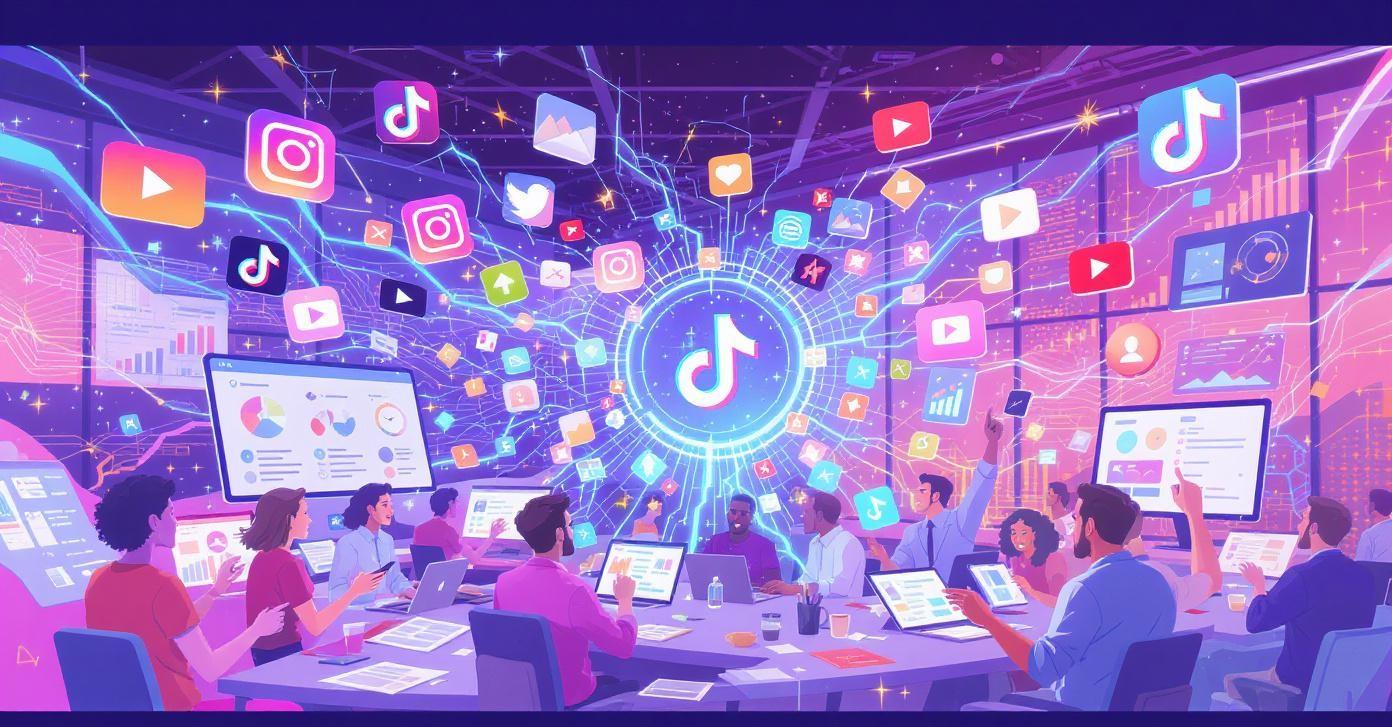
In the competitive world of digital marketing, Vibe Marketing has become a powerful tool for brands seeking to connect emotionally with their audience. Unlike traditional marketing that focuses primarily on products or services, vibe marketing emphasizes the energy, mood, and personality a brand conveys. By establishing a unique and consistent vibe, companies can enhance engagement, encourage social sharing, and foster long-term loyalty. Understanding how to implement vibe marketing effectively can help brands create experiences that resonate deeply with consumers.
What Vibe Marketing Means
Vibe marketing is the practice of creating a cohesive emotional experience that reflects a brand’s personality and values across all channels. It is not just about visual identity, logos, or slogans. It is about the way a brand makes people feel. By evoking emotions such as trust, excitement, happiness, or inspiration, brands can build strong emotional connections with their audience. A well-defined vibe allows a brand to stand out and transforms routine customer interactions into memorable experiences.
The Importance of Emotional Connection
Emotions play a key role in consumer decision-making. People remember how a brand made them feel more than the specific features of a product or service. Vibe marketing leverages this by designing campaigns that create emotional engagement. Storytelling, visuals, audio, and interactive experiences all contribute to the overall emotional effect. Customers who feel an authentic connection with a brand are more likely to share content, engage regularly, and remain loyal over time. Emotional resonance also enhances brand recall and encourages long-term advocacy.
Essential Elements of Vibe Marketing
-
Visual Identity – Colors, typography, and imagery communicate the brand’s mood and personality. Consistency in visual representation across all platforms strengthens recognition and reinforces the intended vibe.
-
Tone of Voice – Messaging style and language convey brand personality. Whether playful, inspirational, or professional, a consistent tone ensures the intended emotional connection with the audience.
-
Sound and Music – Sonic branding, background music, and jingles help enhance the emotional perception of a brand and create a memorable audio signature.
-
Storytelling – Authentic narratives about customers, employees, or social initiatives humanize the brand and deepen emotional engagement.
-
Community Engagement – Interactive campaigns, polls, challenges, and user-generated content foster a sense of belonging and strengthen emotional bonds with the brand.
Using Social Media for Vibe Marketing
Social media platforms are ideal for executing vibe marketing strategies. Brands can communicate personality, energy, and mood through posts, reels, short videos, and live interactions. Platforms like Instagram, TikTok, and YouTube allow for visual and interactive storytelling that communicates a brand’s vibe effectively. Collaborating with influencers whose personal brand aligns with the company’s vibe increases authenticity and expands reach. Using trending content formats, creative hashtags, and interactive posts ensures campaigns resonate with target audiences.
Benefits of Vibe Marketing
Vibe marketing provides several advantages for brand engagement:
-
Enhanced Brand Recognition – A consistent vibe makes a brand instantly recognizable.
-
Stronger Customer Loyalty – Emotional engagement encourages repeated interaction and long-term loyalty.
-
Increased Social Sharing – Engaging vibes motivate audiences to share content organically.
-
Higher Conversion Rates – Emotionally connected audiences are more likely to take actions such as signing up, subscribing, or purchasing.
Successful Examples of Vibe Marketing
Many leading brands showcase the effectiveness of vibe marketing. Lifestyle brands often use minimalistic visuals, muted colors, and calming music to create an aspirational and serene atmosphere. Technology brands use bold colors, dynamic graphics, and high-energy sound to convey innovation and excitement. Fashion brands curate visual aesthetics and collaborate with influencers to create trendy and aspirational vibes. These examples show that vibe marketing can be applied to virtually any industry to generate meaningful engagement and strengthen brand recall.
Measuring the Impact of Vibe Marketing
The success of vibe marketing can be measured through both quantitative and qualitative metrics. Engagement metrics such as likes, shares, comments, and click-through rates indicate audience interaction. Sentiment analysis, customer feedback, and community participation reveal the emotional impact of campaigns. By analyzing these metrics together, brands can optimize content, refine strategies, and ensure the vibe aligns with their business goals.
Integrating Vibe Marketing with Other Strategies
Vibe marketing works best when it is integrated with other marketing strategies. Combining it with content marketing, influencer campaigns, experiential marketing, and traditional advertising ensures a consistent brand experience. Every touchpoint, whether online or offline, should communicate the intended emotional tone. A unified approach strengthens recognition, builds trust, and increases engagement, making campaigns more effective and memorable.
Emerging Trends in Vibe Marketing
Technology and changing consumer expectations are shaping the future of vibe marketing. Virtual reality (VR) and augmented reality (AR) provide immersive experiences that allow audiences to interact with brands in new ways. AI-driven personalization enables content to be tailored to individual preferences and emotional triggers. Modern consumers also value sustainability, inclusivity, and social responsibility. Brands that integrate these values into their vibe enhance trust, authenticity, and emotional resonance.
Tips for Effective Vibe Marketing
-
Define Brand Personality – Clearly identify the emotions and values the brand aims to communicate.
-
Maintain Consistency – Ensure visuals, messaging, and tone remain aligned across all platforms.
-
Engage the Audience – Use interactive campaigns, polls, and challenges to create participation.
-
Work with Relevant Influencers – Partner with influencers whose personal brand naturally aligns with your vibe.
-
Monitor and Refine – Track engagement and sentiment to continuously improve campaigns and maintain emotional resonance.
About Us: BusinessInfoPro is a leading content platform dedicated to empowering business leaders and professionals with insights on digital transformation, emerging technologies, and industry trends. Through blogs, whitepapers, case studies, and webinars, they provide actionable information across sectors like finance, HR, IT, and marketing, helping organizations make informed strategic decisions and stay competitive in an ever-evolving business landscape.

 English
 Arabic
 French
 Spanish
 Portuguese
 Deutsch
 Turkish
 Dutch
Dutch
 Italiano
 Russian
 Portuguese (Brazil)
 Greek
Greek