


Aviation Training in India: The Real Timeline to Becoming a Commercial Pilot
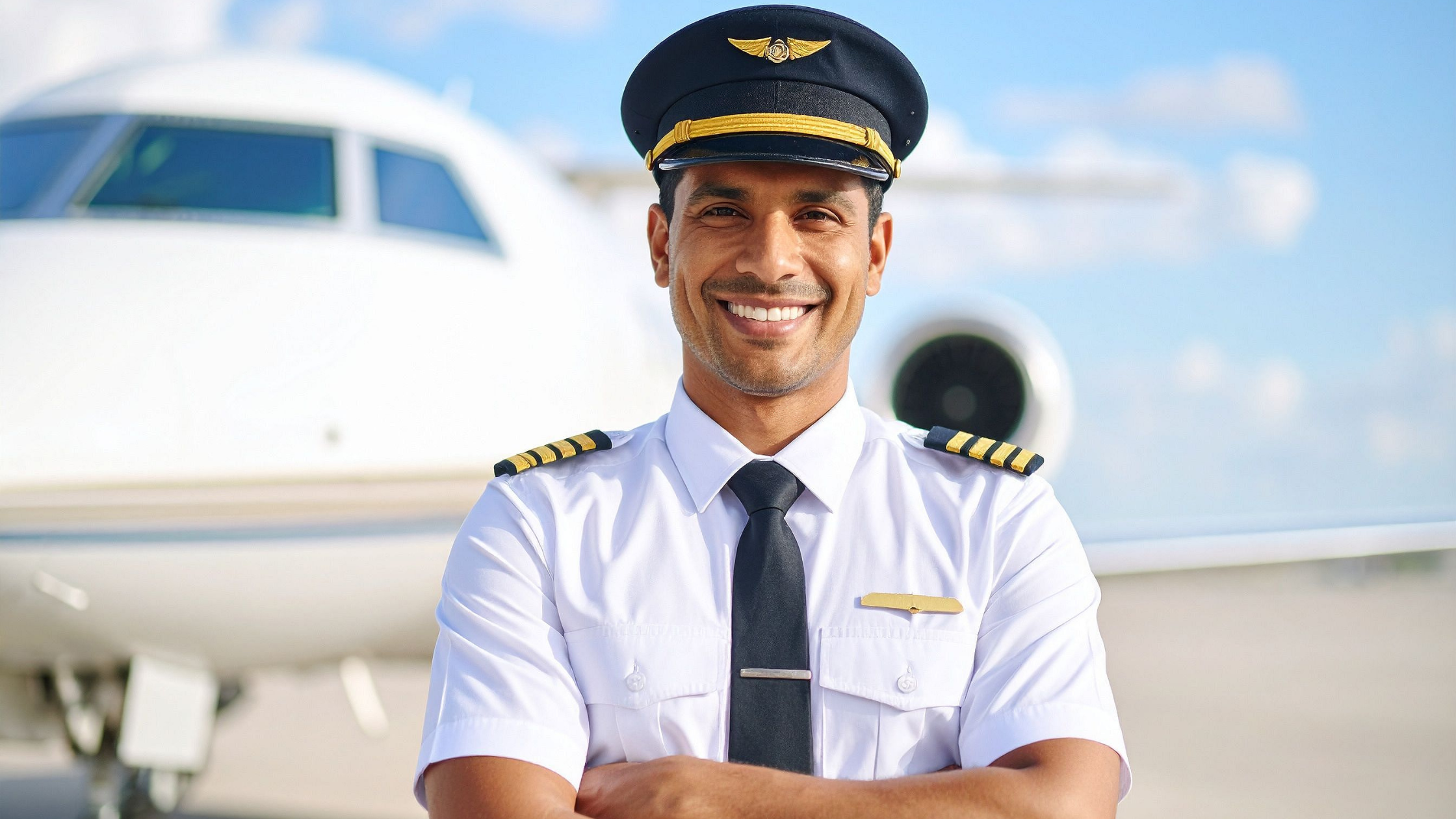
Understanding how long it takes to become a pilot is one of the first questions every aviation student asks. While the goal is simple to qualify for a Commercial Pilot License, the journey involves multiple learning phases, strict eligibility requirements, and many factors that influence the overall pace. This is why aviation training in India varies significantly from student to student.
Most pilot hopefuls expect a fixed schedule. In reality, aviation training in India can take anywhere between eighteen and thirty months. The difference has less to do with talent and more to do with planning, the school selected, regional weather, financial readiness, and consistent exam performance. Students who complete the process earlier usually make strong decisions before training begins, while others face unexpected delays that extend their timelines.
This guide explains how aviation training in India works, what stages students go through, the standard timeline, and the conditions that help you finish on time.
Understanding Aviation Training in India
Pilot training involves much more than learning to control an aircraft. It is a systematic learning pathway where every stage leads to new privileges in your aviation career. Students begin by learning aviation theory in the classroom, then progress to hands on flying with instructors, and later advance to complex navigation and instrument procedures.
The first part of the training focuses on ground school. Students study subjects like meteorology, air navigation, aircraft systems, and aviation regulations. These topics prepare you for the national examinations conducted by DGCA. Many students are surprised by the level of detail required because aviation theory is often denser than they expect.
After theory comes flight training. This is where students learn to operate training aircraft safely with constant guidance from instructors. Over time, basic flight skills turn into advanced procedures such as cross country navigation, instrument flying, and night flying. Aviation training in India is conducted only through DGCA approved academies that maintain certified aircraft fleets, instructors, simulators, and training systems.
The ultimate objective is to earn a Commercial Pilot License which allows you to begin your job search as a first officer with an airline. Some pilots continue later to the Airline Transport Pilot License for captain positions.
Eligibility and DGCA Requirements
DGCA sets strict entry standards for aviation training in India. These rules apply to every flying school in the country because the safety of aviation depends on uniform training quality.
Before enrollment, students must have:
- Seventeen years of age to begin training and eighteen years of age to receive the Commercial Pilot License
- Physics and Mathematics as subjects in Class Twelve
- A valid Class One Medical Certificate
- English language proficiency
The flight hour requirements for a Commercial Pilot License include:
- Two hundred and fifty total flying hours
- One hundred hours as pilot in command
- Fifty hours of cross country flying
- Ten hours of instrument flying
- Five hours of night flying
Every training academy follows the same DGCA syllabus. Students must complete ground school, pass six DGCA theory examinations, finish flying hours, clear skill tests, and then wait for the licensing process. Medical fitness is also monitored throughout training. Many students do not expect that medical checks can delay or stop progression if issues arise midway.
How Long Aviation Training in India Usually Takes
Training academies commonly advertise an eighteen month timeline for a Commercial Pilot License. This is possible but only when every stage moves forward without interruptions. A realistic time frame for most students is eighteen to twenty four months. Some take up to thirty months due to external circumstances that influence flight training frequency.
A typical timeline looks like this:
Months One to Four
Ground school and DGCA theory examinations. Students learn six subjects and attempt all DGCA papers. Some finish early while others take longer due to retakes.
Months Five to Ten
Private Pilot License phase. Students learn essential flying skills and complete around sixty hours. Delays usually occur due to weather conditions or limited aircraft availability.
Months Eleven to Eighteen
Commercial Pilot License phase. Students complete the rest of their hours, including navigation, instrument procedures, and night operations. This phase determines the total duration of aviation training in India because flying frequency varies widely between schools.
Months Nineteen to Twenty
Final skill tests and license paperwork. Once all requirements are met, DGCA issues the physical Commercial Pilot License.
What Helps Students Finish on Time
The duration of aviation training in India depends heavily on choices made early. Five main factors influence whether students complete their Commercial Pilot License within the expected time.
Choosing the Right Training School
Schools with stronger aircraft to student ratios can schedule flights more frequently. Consistent flying helps students maintain skill levels and reduces extra hours added due to skill rebuilding.
Exam Performance and Preparation
Students who pass DGCA exams on the first attempt progress faster. Retakes often push training back by several months.
Financial Planning
Training expenses can extend beyond initial packages due to extra hours, exam fees, or medical renewals. A financial buffer helps students avoid long pauses.
Training Location
Flying academies in weather stable regions move faster because flights do not get cancelled often. Areas with heavy fog or seasonal disturbances extend the total timeline significantly.
Personal Discipline
Progress depends on regular studying, consistent attendance, and maintaining physical fitness. Students who stay focused complete training sooner than those who need repeated practice after long gaps.
Conclusion
Aviation training in India is a structured yet flexible process that rewards planning, discipline, and the right school selection. The timeline to becoming a commercial pilot ranges from eighteen to thirty months, but much of that variation depends on decisions that students make at the very beginning. Choosing an academy with reliable aircraft availability, preparing well for DGCA exams, maintaining medical fitness, and planning financially can significantly reduce delays.
If approached with the right strategy, aviation training in India becomes a smooth pathway to a professional flying career.

 Arabic
 French
 Spanish
 Portuguese
 Deutsch
 Turkish
 Dutch
Dutch
 Italiano
 Russian
 Romaian
 Portuguese (Brazil)
 Greek
Greek