


The Role of Art and Animation in Modern 2D Game Development
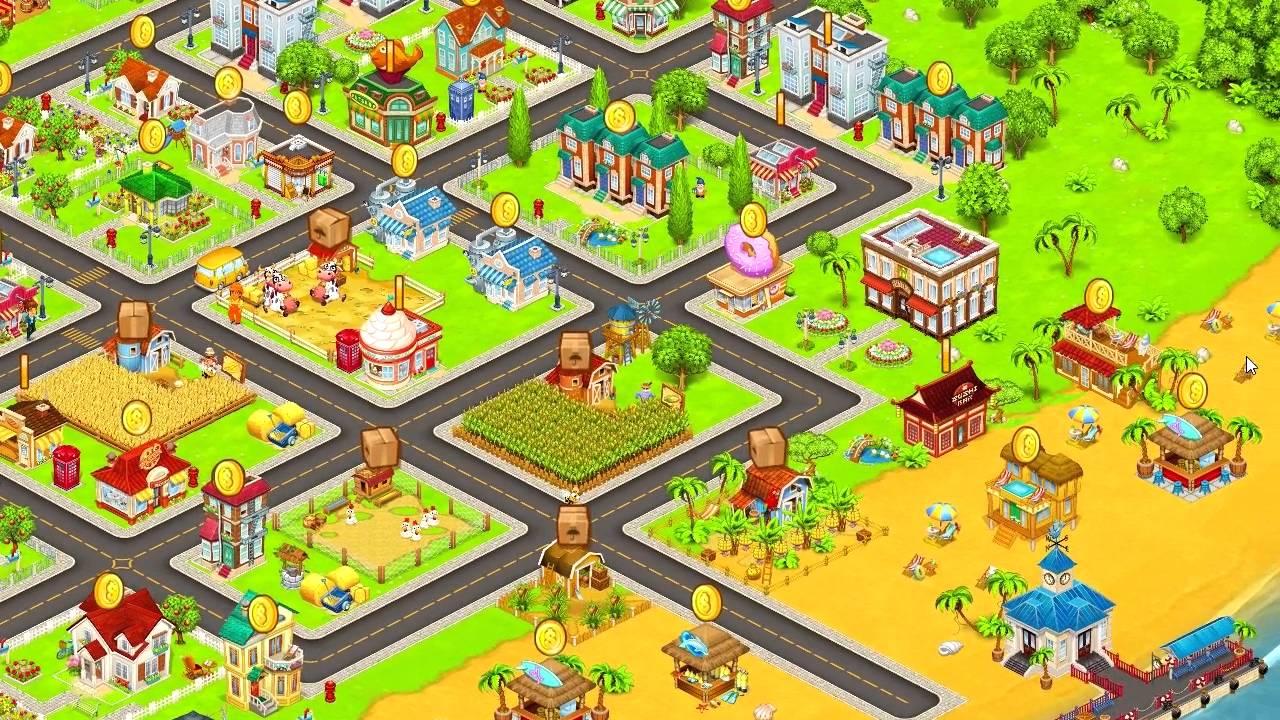
There is something deeply emotional about a 2D game done right. It doesn’t just entertain you—it pulls you into a small, carefully crafted world where every color, movement, and character feels intentional. Behind that magic lies something often underestimated but essential: art and animation.
In today’s competitive gaming industry, 2D Game Development Services are no longer just about coding mechanics or building levels. They are about creating visual experiences that players remember long after they stop playing. Because in 2D games, art is not just decoration—it is the experience.
Let’s explore how art and animation shape modern 2D game development and why they are at the heart of every successful game.
First Impressions Begin with Art
When a player opens your game for the first time, you don’t get a second chance to impress them. Within seconds, they decide whether to stay or leave.
And what do they notice first?
The visuals.
Art style sets the emotional tone of the entire game. It tells players what kind of world they are stepping into even before they understand the gameplay.
A bright, colorful art style might suggest fun, casual gameplay. A dark, moody design might signal mystery or adventure. A minimalist style might indicate focus and strategy.
This emotional storytelling begins the moment the player sees your game—and it all comes down to art.
Art Is the Soul of 2D Games
Unlike 3D games, where realism and depth often dominate attention, 2D games rely heavily on artistic expression.
Every element matters:
- Characters
- Backgrounds
- UI design
- Icons and buttons
- Environments
- Effects
Each piece contributes to a cohesive visual identity.
A strong art direction ensures that everything feels connected. Without it, even a well-designed game can feel disjointed or confusing.
Great 2D game art doesn’t just look good—it feels right.
Animation Brings Life to Static Worlds
If art is the soul of a 2D game, animation is its heartbeat.
Without animation, even the most beautiful characters would feel lifeless.
Animation breathes movement into the game world. It transforms static images into living, breathing experiences.
Think about:
- A character jumping with weight and timing
- A sword swing that feels powerful
- A coin that spins smoothly when collected
- A background that subtly moves to create depth
These small details may seem simple, but they are what make players feel connected to the game.
Animation gives emotion to action.
The Emotional Power of Movement
Good animation is not just about motion—it’s about emotion.
When a character loses, their animation can show frustration or sadness. When they win, it can show joy or relief. These emotional cues create a deeper connection between the player and the game.
Players may not consciously notice these details, but they feel them.
That emotional response is what keeps players engaged.
It turns gameplay into experience.
Consistency Creates Trust in Visual Design
One of the biggest mistakes in 2D game development is inconsistent art style.
When characters, environments, and UI elements don’t match visually, the game feels unfinished or confusing.
Consistency builds trust.
A well-designed game ensures that:
- Color palettes remain consistent
- Character proportions match the world style
- UI elements follow the same visual language
- Animations feel smooth and unified
When everything aligns visually, the player stops thinking about the design—and starts focusing on the experience.
Simplicity Is a Strength, Not a Limitation
Many people assume that 2D art is “simpler” than 3D art. But simplicity is often the hardest thing to master.
In 2D games, every line, color, and shape must serve a purpose.
There is no hiding behind complex environments or realistic textures. Every visual choice is intentional.
This is why minimalist 2D games often feel so powerful—they remove distractions and focus on clarity.
Strong 2D art proves that less can truly be more.
Animation Enhances Gameplay Mechanics
Animation is not just visual—it is functional.
It helps players understand what is happening in the game.
For example:
- A flashing animation shows damage
- A bounce animation indicates interaction
- A slow motion effect highlights critical moments
- A smooth transition guides player attention
Without animation, gameplay would feel flat and confusing.
Good animation acts as silent communication between the game and the player.
The Role of Style in Game Identity
Every successful 2D game has a recognizable style.
Think of how certain games can be identified instantly just by their visuals.
That identity is built through consistent artistic direction.
A unique art style:
- Differentiates your game in a crowded market
- Builds brand recognition
- Creates emotional attachment
- Makes marketing more effective
In a world where thousands of games are released every day, visual identity is everything.
Performance-Friendly Art Design Matters
In mobile 2D games, performance is just as important as visuals.
Beautiful art that slows down a game loses its value quickly.
Optimized art ensures:
- Smooth gameplay across devices
- Faster loading times
- Lower memory usage
- Better user experience
Artists and developers must work closely to balance beauty and performance.
This collaboration is what makes professional game development so impactful.
The Collaboration Between Artists and Developers
Great 2D games are never created by artists alone or developers alone—they are created through collaboration.
Artists design the world.
Developers bring it to life.
When both teams communicate effectively:
- Animations align with gameplay mechanics
- Visual effects match technical capabilities
- UI design improves usability
- Performance remains stable
This teamwork transforms ideas into polished experiences.
Trends Shaping 2D Game Art and Animation
Modern 2D games are evolving rapidly. Some of the key trends include:
- Hand-drawn art styles for emotional depth
- Hybrid 2D/3D effects for visual enhancement
- Dynamic lighting in 2D environments
- Fluid skeletal animation systems
- Minimalist UI for better player focus
These trends show that 2D games are not outdated—they are evolving creatively.
Why Art and Animation Drive Player Retention
Players don’t just stay for gameplay—they stay for how a game makes them feel.
Art and animation create emotional hooks that keep players returning.
A smooth jump animation, a satisfying reward effect, or a beautifully designed world can be the difference between a one-time download and a long-term player.
Emotion is the foundation of retention.
Final Thoughts
In modern 2D game development, art and animation are not supporting elements—they are the foundation of the entire experience. They define how players feel, how they interact, and how they remember your game long after they stop playing.
A successful 2D game is not just built with code—it is crafted with emotion, creativity, and visual storytelling that speaks directly to the player’s imagination.
Working with an experienced partner like Enzosoft ensures that every visual detail, every animation, and every artistic choice contributes to a powerful and unforgettable gaming experience.

 English
 Arabic
 French
 Spanish
 Portuguese
 Deutsch
 Turkish
 Italiano
 Russian
 Romaian
 Portuguese (Brazil)
 Greek
Greek