


A Complete Guide to a Popular Acne Treatment
When it comes to managing severe acne that doesn’t respond to routine skincare or over-the-counter medications, one oral option stands out as highly effective. This powerful medication, often known by its brand name Accutane, has transformed the lives of millions struggling with persistent breakouts. In this guide, we’ll explore how Isotretinoin works, its benefits, its risks, and everything you should know before starting it.
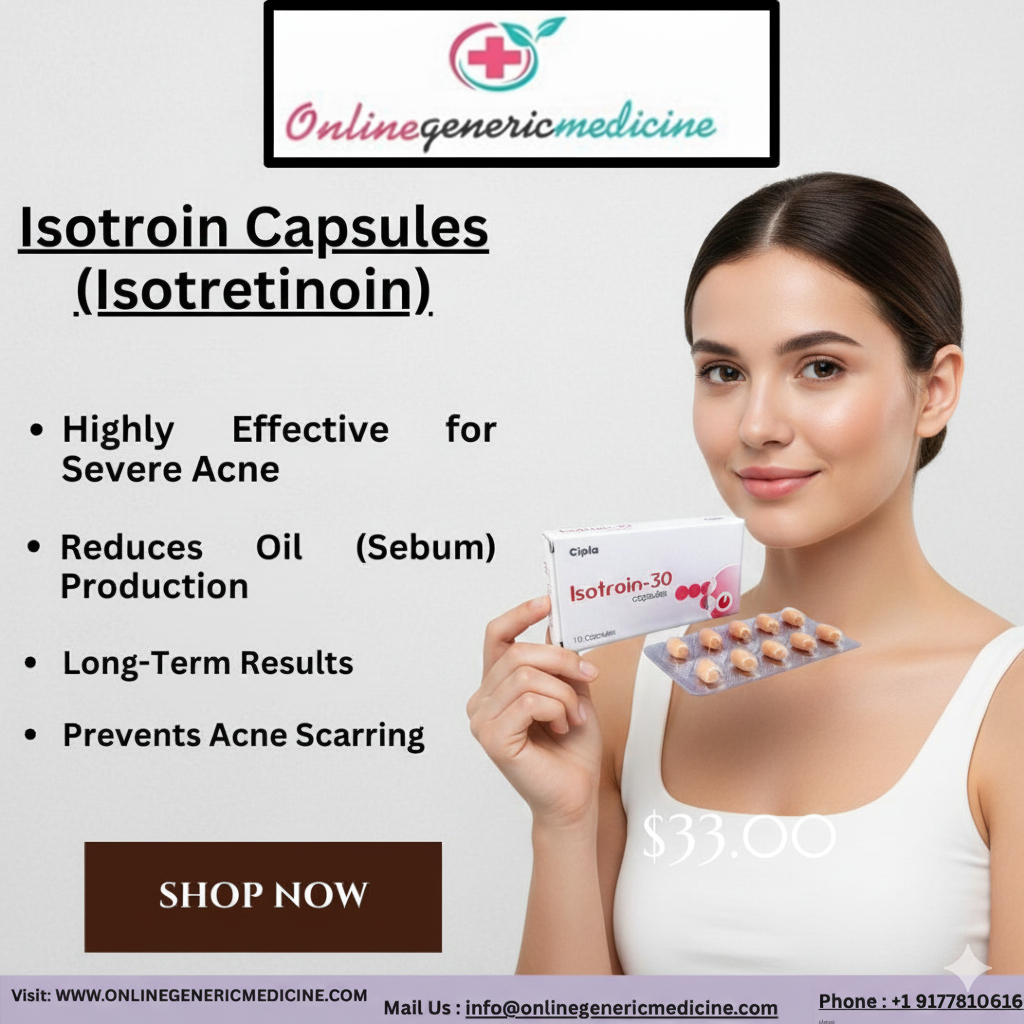
What This Medication Actually Is
The drug commonly referred to as Accutane contains Isotretinoin, a derivative of vitamin A. It works by shrinking the oil glands in the skin and reducing sebum production—one of the major causes of acne. Because of its strong results, dermatologists often prescribe isotretinoin for acne that hasn’t improved with other treatments.
How It Works and Who Should Consider It
This oral therapy targets acne at its root: excess oil, inflammation, and clogged pores. It is especially useful for:
-
Severe nodular acne
-
Acne resistant to antibiotics
-
Individuals experiencing scarring
-
Long-term, recurring breakouts
Before prescribing it, doctors assess overall health, lifestyle, and possible risks. Women must follow special guidelines due to pregnancy-related risks.
Proper Dosage and Medical Guidance
Determining the right isotretinoin dosage depends on body weight, acne severity, and how the patient responds over time. Dermatologists typically start with a lower amount and gradually increase it. You should never adjust your dose without medical supervision.
Common and Serious Side Effects
Because the medication is strong, it’s important to understand potential isotretinoin side effects and accutane side effects. Some of the most common include:
-
Dry lips and skin
-
Nosebleeds
-
Sensitivity to sunlight
-
Joint or muscle pain
More serious reactions may include mood changes, vision issues, or liver-related concerns. Regular checkups and blood tests are essential throughout treatment.
Drug Interactions to Know About
Patients must also be cautious about isotretinoin interactions. Certain supplements—especially vitamin A—can increase the risk of complications. Some antibiotics, acne treatments, and alcohol intake may also interfere or worsen effects. Always share your complete medication list with your dermatologist.
Comparing Oral and Topical Options
People often compare isotretinoin vs tretinoin. While both relate to vitamin A:
-
Tretinoin is a topical cream/gel that works on the skin surface.
-
Isotretinoin/Accutane is an oral pill that works internally to tackle severe acne.
Mild to moderate acne may respond to tretinoin, but more advanced cases usually require the oral form.
Understanding the Cost
The accutane cost or accutane price varies significantly depending on brand, pharmacy, insurance coverage, and dosage. Generic accutane pills (isotretinoin) tend to be more affordable than branded versions. Some programs also offer financial assistance for patients.
Why Many Patients Choose This Treatment
Despite its side effects, this therapy remains one of the most effective long-term acne solutions. Many people complete a course and experience little to no acne for years. For those suffering emotionally or physically from severe breakouts, the results can be life-changing.
Final Thoughts
Whether you refer to it as Isotretinoin or Accutane, this medication can be a powerful solution for severe acne when used responsibly under expert care. Always consult a qualified dermatologist, follow recommended guidelines, and report any unusual symptoms promptly.

 English
 Arabic
 French
 Spanish
 Portuguese
 Deutsch
 Turkish
 Dutch
Dutch
 Italiano
 Russian
 Portuguese (Brazil)
 Greek
Greek