


Brazil Generator Demand and the Shift Toward Resilient Power Systems
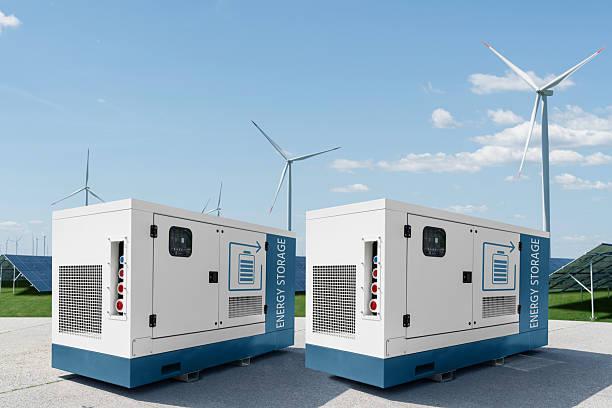
Brazil’s generator landscape is shaped by a mix of industrial growth, grid reliability concerns, hydropower dependence, commercial expansion, and rising digital infrastructure needs. Generators are used across standby, prime, continuous, and peak-shaving applications, supporting users that cannot afford electricity disruptions. From data centers and hospitals to mining sites and retail facilities, backup power remains an important part of operational continuity.
According to MarkNtel Advisors, the Brazil Generator Market was valued at around USD 0.77 billion in 2025 and is projected to reach USD 1.30 billion by 2032, growing at nearly 8.94% CAGR during 2026–2032. The 8.94% CAGR through 2032 reflects rising demand from commercial facilities, industrial users, data centers, mining, telecom, residential backup systems, and hybrid power applications.
Grid Reliability Remains a Key Driver
Brazil’s electricity system has a large renewable base, but its strong dependence on hydropower can create vulnerability during drought periods. When water availability declines or transmission networks face stress, businesses and institutions may rely on generator systems to maintain operations. This is especially important in regions where outages can disrupt manufacturing, logistics, healthcare, digital services, and commercial activity.
The International Energy Agency’s Brazil country profile provides wider context on the country’s energy mix, power demand, and transition priorities. Generator demand fits into this environment because backup systems help bridge reliability gaps while the grid continues to modernize and integrate more renewable capacity.
Diesel Continues to Lead Fuel Demand
Diesel remains the leading fuel type in Brazil’s generator space, accounting for around 71.07% share in 2025, according to the MarkNtel study. Diesel generators are widely used because they offer high load capacity, quick start-up, proven reliability, and suitability for remote or heavy-duty environments. Mining, construction, agriculture, telecom, and industrial facilities continue to depend on diesel gensets where uninterrupted power is essential.
The U.S. Energy Information Administration’s diesel fuel overview explains diesel’s role across equipment, transport, and power applications. In Brazil, diesel’s practical advantages remain significant, although users are increasingly assessing operating costs, emissions performance, and alternatives such as natural gas, ethanol, biomethane, and hybrid generator systems.
Commercial Facilities Are Major Buyers
Commercial users represented around 25.54% share of Brazil’s generator demand in 2025. Hospitality properties, retail chains, office buildings, shopping centers, healthcare facilities, and service-based businesses need backup electricity for lighting, refrigeration, security systems, elevators, payment systems, and internet connectivity. Even short outages can affect customer experience, safety, and revenue.
The World Bank’s energy overview emphasizes the importance of reliable and affordable energy for economic activity. For Brazil’s commercial sector, generator systems provide an added layer of resilience, particularly in areas where grid interruptions or voltage instability can affect daily operations.
Data Centers Are Creating New Opportunities
Brazil’s expanding data center ecosystem is creating a stronger need for high-reliability backup power. Cloud computing, artificial intelligence, financial technology, e-commerce, and digital services require near-continuous uptime. Data centers often use redundant generator systems to maintain power during grid interruptions, especially in major hubs such as São Paulo, Campinas, Rio de Janeiro, and Fortaleza.
The Uptime Institute’s data center reliability resources provide useful context on infrastructure resilience, redundancy, and operational reliability. For generator suppliers, the growth of digital infrastructure creates demand for larger, smarter, and more efficient systems with remote monitoring, predictive maintenance, and fuel-flexible configurations.
Hybrid Generator Systems Are Gaining Attention
Hybrid generator sets are emerging as an important trend in Brazil. These systems may combine diesel or gas generators with batteries, solar power, biomethane, or ethanol-based fuel options. Hybridization can reduce fuel consumption, lower emissions, improve load management, and support peak-shaving applications where power demand fluctuates throughout the day.
The International Renewable Energy Agency’s energy storage resources highlight how batteries and storage technologies can improve flexibility and energy management. In Brazil, hybrid generator systems may become increasingly relevant for telecom towers, remote industrial sites, commercial campuses, and facilities seeking lower fuel use without compromising reliability.
Outlook for Brazil’s Generator Sector
Brazil’s generator sector is expected to expand steadily as industrialization, digital infrastructure, commercial development, mining, agriculture, and residential backup demand continue to grow. The projected rise from USD 0.77 billion in 2025 to USD 1.30 billion by 2032 shows that backup and distributed power systems remain important across the country.
The next phase will depend on fuel costs, emissions rules, grid modernization, data center investment, and the availability of cleaner generator technologies. Diesel will likely remain important in the near term, but natural gas, hybrid systems, ethanol-compatible units, and smart monitoring solutions are expected to shape Brazil’s generator pathway over the forecast period.

 English
 Arabic
 French
 Spanish
 Portuguese
 Deutsch
 Turkish
 Italiano
 Russian
 Romaian
 Portuguese (Brazil)
 Greek
Greek