


Combining Therapy and Medication: Psychiatrist-Approved Approaches
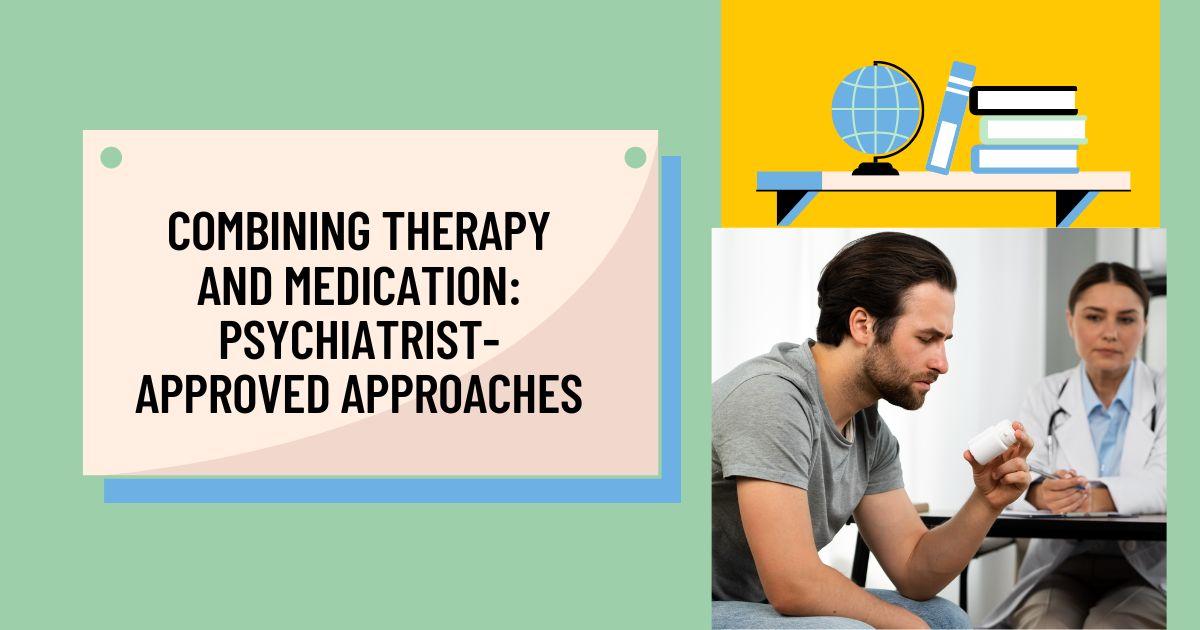
Mental health treatment has evolved significantly in recent years, with research emphasizing the importance of comprehensive care. Many patients searching for a psychiatrist in Orlando are looking for solutions that go beyond medication alone or therapy alone. Combining psychotherapy with psychiatric medications has proven to be a highly effective approach for managing various mental health conditions. By addressing both biological and psychological factors, this integrated method provides long-term benefits and helps patients regain balance, resilience, and overall well-being.
1. Why Combination Treatment Works
Mental health conditions often involve complex interactions between brain chemistry, personal experiences, and environmental stressors. While medication targets the biological aspect—such as neurotransmitter imbalances—therapy focuses on behavioral patterns, coping strategies, and emotional processing.
When used together, therapy and medication create a synergistic effect:
-
Medications can stabilize mood, reduce anxiety, and improve focus, making patients more receptive to therapy.
-
Therapy provides tools to address triggers, challenge negative thinking, and develop healthy habits.
-
Combining both improves overall outcomes, especially for moderate to severe conditions like depression, bipolar disorder, and anxiety disorders.
2. Common Mental Health Conditions Treated With Combination Approaches
A. Depression
Antidepressants regulate neurotransmitters such as serotonin and norepinephrine, while cognitive-behavioral therapy (CBT) helps patients change negative thought patterns and coping behaviors. Studies show that patients receiving both interventions often recover faster and have lower relapse rates.
B. Anxiety Disorders
Medications such as SSRIs or benzodiazepines reduce excessive fear and physical symptoms, while therapy—like CBT or exposure therapy—teaches patients to confront triggers, manage panic, and develop long-term coping skills.
C. Bipolar Disorder
Mood stabilizers or antipsychotics are essential for controlling extreme highs and lows, while therapy assists with recognizing early warning signs, managing stress, and maintaining daily routines.
D. PTSD and Trauma-Related Conditions
Trauma-focused therapy, EMDR, or CBT combined with antidepressants or anti-anxiety medications helps patients process traumatic experiences and stabilize mood symptoms effectively.
3. Types of Therapy Commonly Used in Combination Treatments
Cognitive Behavioral Therapy (CBT)
CBT is highly effective in combination with medication. It helps patients identify harmful thought patterns and replace them with healthier behaviors, enhancing the effects of medication.
Dialectical Behavior Therapy (DBT)
DBT focuses on emotional regulation, mindfulness, and interpersonal skills. It is often used alongside medication to help manage borderline personality disorder, depression, and anxiety.
Interpersonal Therapy (IPT)
IPT targets relationship challenges and social stressors, which can exacerbate mental health conditions. Medication manages the biological symptoms while IPT addresses interpersonal triggers.
Psychodynamic Therapy
This therapy helps patients understand unconscious thoughts and emotional patterns. Medication can support mood stability, allowing patients to engage deeply in psychodynamic work.
4. How Medication Enhances Therapy Effectiveness
Medication is particularly beneficial in creating the mental clarity and emotional stability necessary for therapy. For example:
-
Antidepressants reduce overwhelming sadness or irritability, making cognitive restructuring more effective.
-
Anti-anxiety medications lower physical tension, allowing patients to focus during exposure exercises.
-
Mood stabilizers prevent extreme emotional fluctuations that can interrupt therapeutic progress.
This collaboration between therapy and medication maximizes treatment success and helps patients achieve sustainable mental health improvements.
5. Personalized Treatment Plans Are Key
Every patient is unique, and treatment should be customized to individual needs. Psychiatrists in Orlando conduct comprehensive evaluations to understand the patient’s medical history, mental health status, and lifestyle factors. A personalized plan may include:
-
Choice of medication type and dosage
-
Frequency and modality of therapy sessions
-
Integration of lifestyle modifications such as exercise, sleep routines, and stress management
-
Regular progress monitoring and treatment adjustments
Personalized approaches ensure that therapy and medication complement each other, providing a balanced, effective treatment pathway.
6. Benefits of Combined Psychiatric Approaches
-
Faster symptom relief: Medication reduces acute symptoms, enabling patients to engage more effectively in therapy.
-
Long-term recovery: Therapy equips patients with coping strategies that sustain improvements even after medications are tapered.
-
Reduced relapse rates: Patients receiving both therapies are less likely to experience recurring episodes of depression or anxiety.
-
Holistic care: Physical, emotional, and behavioral aspects of mental health are all addressed.
This integrated approach is widely endorsed by psychiatrists and mental health experts as the most effective for moderate to severe mental health disorders.
7. Tips for Patients Considering Combination Treatment
-
Communicate openly with your psychiatrist about symptoms, side effects, and lifestyle factors.
-
Attend therapy consistently and actively participate in sessions.
-
Follow medication instructions carefully and never adjust dosage without consulting your provider.
-
Incorporate healthy habits such as regular exercise, a balanced diet, and adequate sleep to complement professional care.
-
Be patient—combination therapy may take several weeks to show full benefits.
Conclusion
Combining therapy and medication represents a psychiatrist-approved, evidence-based approach to managing mental health effectively. This integrated method addresses both the biological and psychological aspects of conditions such as depression, anxiety, PTSD, and bipolar disorder, offering faster relief, long-term recovery, and improved emotional resilience. For anyone seeking professional support, consulting a trusted psychiatrist Orlando can help create a personalized plan that maximizes the benefits of both therapy and medication, ensuring sustainable mental well-being and overall life balance.

 Arabic
 French
 Spanish
 Portuguese
 Deutsch
 Turkish
 Dutch
Dutch
 Italiano
 Russian
 Romaian
 Portuguese (Brazil)
 Greek
Greek