


The Hidden Signs a Loved One May Need More Support at Home
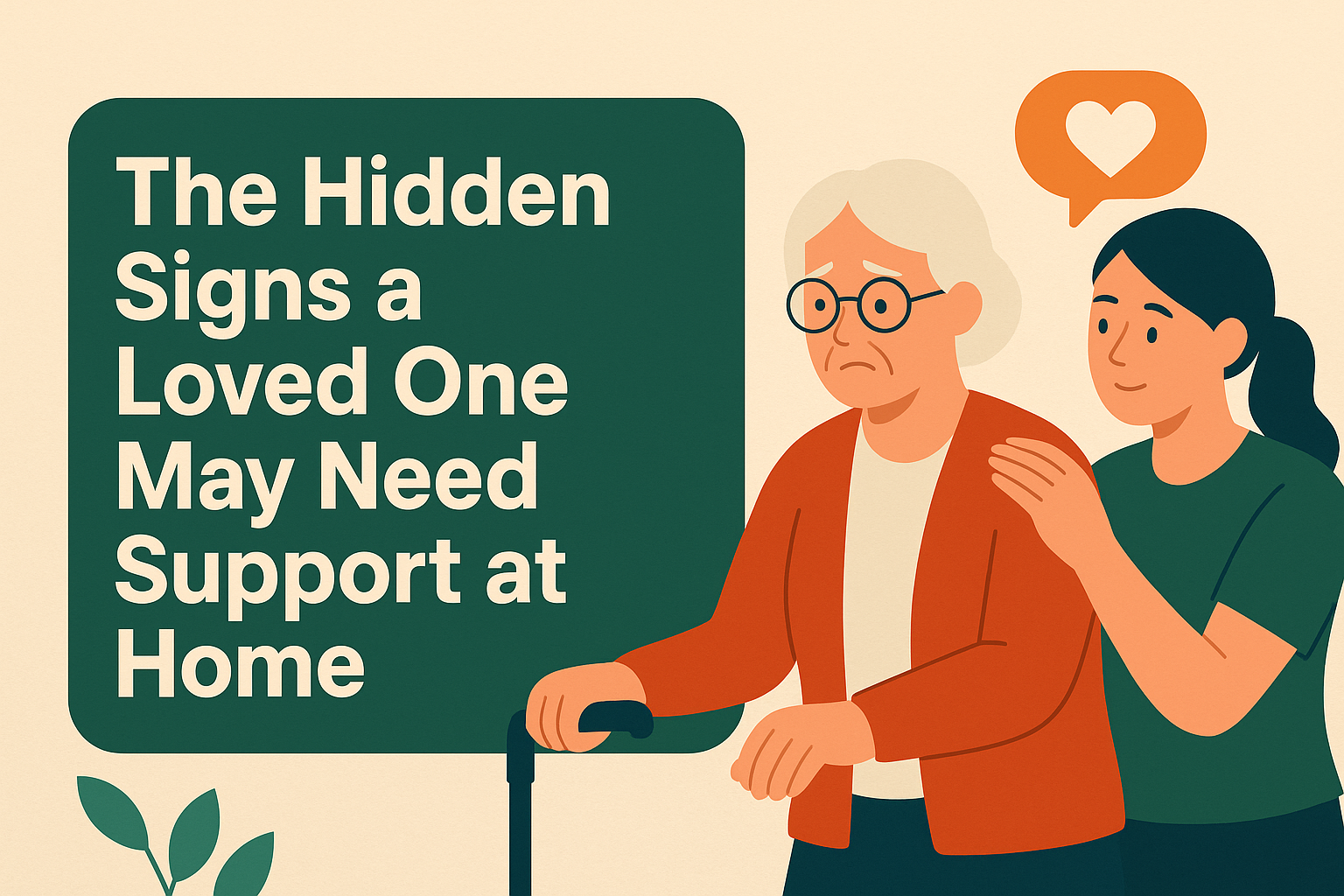
Living with a loved one who is aging can feel like a gentle dance. You notice their steps slowing, their smiles shrinking, and you wonder if something deeper is happening. As a family, we often look for signs that a senior might need extra help at home. If you see subtle changes in their habits or mood, it could be a signal that they are feeling unsupported. Recognizing these early clues can make a big difference in their quality of life. For families in the region, exploring options such as senior citizen retirement homes in Chennai can provide comfort, but first, let’s look at the hidden signs that might hint at a need for more care.
Emotional Shifts to Notice
One of the first places to look is their emotional world. If your loved one starts withdrawing from family meals, avoiding conversations, or shows sudden sadness, it may mean they are feeling lonely or overwhelmed. They might also become irritable or restless, especially when routine changes. These mood shifts are often the brain’s way of saying something needs attention. It is important to ask gentle questions, listen carefully, and validate their feelings. By acknowledging these emotions early, you give them room to share what is troubling them without feeling judged.
Physical Signs to Watch
Physical changes are another clear indicator. Notice if they have trouble walking, get fatigued easily, or experience frequent falls. Simple tasks like getting out of bed or preparing a meal may become difficult. If they complain of pain that lingers or notice new aches, it could be a sign that their body is struggling to keep up. Pay attention to changes in sleep patterns, appetite, or weight. Small shifts in these areas can signal a larger health issue that requires professional attention.
Cognitive Clues That Matter
Cognitive clues are often subtle but vital. A loved one might forget familiar names, lose track of time, or have trouble following a conversation. They may also find it hard to solve everyday problems, like turning on the stove or managing money. These memory lapses can grow gradually, so noticing the difference between normal forgetfulness and a pattern is key. If you see these signs, it may be time to consult a doctor or a specialist who can assess their mental sharpness.
Ensuring Home Safety
Safety at home is a top priority. Look for hazards such as loose rugs, clutter in hallways, or poor lighting. If your loved one has difficulty navigating stairs or feels unsafe in the bathroom, they might need assistance. Installing grab bars, non-slip mats, and clear pathways can reduce risk. If they still struggle, consider a home care aide or a supportive living arrangement to ensure they stay safe while maintaining dignity.
Combating Social Isolation
Social isolation can quietly creep in. If they stop attending community events, decline invitations, or seem uninterested in hobbies they once loved, they may be losing connection. Loneliness can worsen health and well-being. Encourage regular visits, phone calls, or group activities that fit their interests. Even simple gestures like sharing a cup of tea can lift their spirits and remind them they are not alone.
Nutrition and Hydration Tips
Nutrition and hydration are often overlooked. Notice if they eat less, skip meals, or have trouble chewing or swallowing. A decrease in appetite can lead to weight loss and weakness. Offer balanced meals, keep water within easy reach, and consider small, frequent snacks. If swallowing becomes difficult, consult a nutritionist or speech therapist for guidance on safe eating practices.
Managing Medications Effectively
Medication management can be a silent source of stress. If they forget doses, mix up pills, or seem confused by their schedule, it may lead to health complications. A simple pill organizer, setting alarms, or having a caregiver review their medication can help. Regularly check for side effects and discuss any changes with their healthcare provider to keep the regimen safe and effective.
When to Seek Professional Help
Knowing when to call for help is crucial. If your loved one experiences sudden weight loss, extreme fatigue, confusion, or falls, it is time to seek professional advice. A doctor can run tests, provide treatments, or refer to specialists. In some cases, a residential facility or a structured care program may offer the support they need. Discuss options openly with your family and consider the best environment that balances independence and safety.
Taking the Next Step
By staying observant and compassionate, you can spot the hidden signs that your loved one may need more support at home. Early intervention can prevent complications and keep them comfortable. If the situation grows more complex, exploring options like senior care chennai can provide professional guidance and resources. Remember, the goal is to give them the care and dignity they deserve while keeping the family bond strong.

 English
 Arabic
 French
 Spanish
 Portuguese
 Turkish
 Dutch
Dutch
 Italiano
 Russian
 Romaian
 Portuguese (Brazil)
 Greek
Greek