


Understanding Workers Compensation Insurance in CT: Coverage, Claims, and Compliance
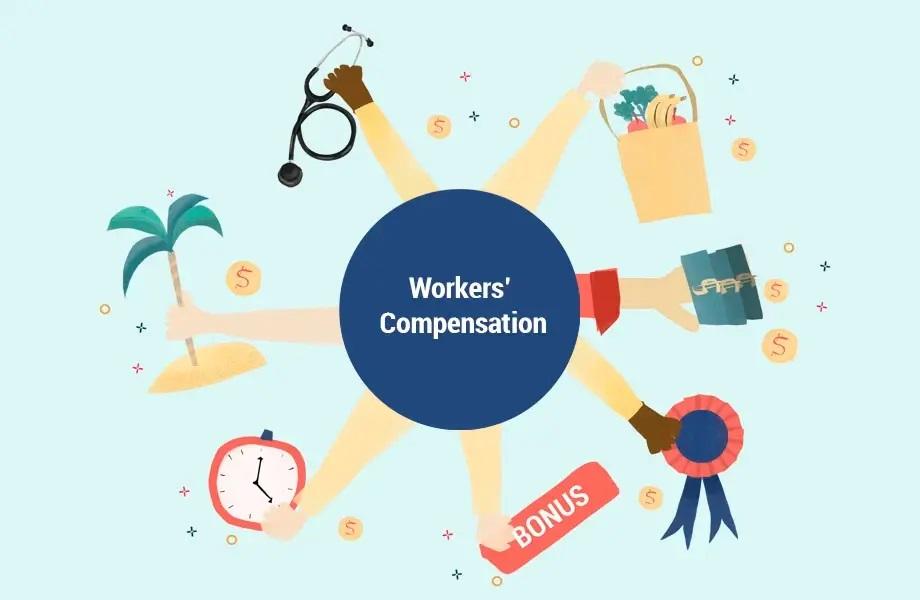
If you own or operate a business in Connecticut, you have likely encountered the term workers compensation insurance. Whether during hiring or through discussions with other business owners, understanding this coverage is essential. In Connecticut, it is a legal requirement for most employers.
This article walks you through the full picture, from what the coverage actually includes to how the claims process works and what happens if a business falls out of compliance. By the time you finish reading, you will have a solid grasp of what workers compensation insurance in Connecticut involves and how to make sure your business is on the right side of the law.
What Workers Compensation Insurance in CT Actually Is
At its core, workers compensation insurance in CT is a state-mandated policy that provides financial assistance to workers who are injured or become ill as a direct result of their job. It is built on a no-fault basis, meaning that when a workplace accident occurs, neither the employer nor the employee has to prove who was responsible. The system is designed to move quickly, get the injured worker the help they need, and protect the employer from bearing those costs entirely out of pocket.
The State of Connecticut Workers Compensation Commission oversees and administers the workers compensation system in the state. This agency is responsible for ensuring injured workers receive timely benefits, resolving disputes between employees and employers, and reviewing claims to ensure they are handled fairly and in accordance with state law.
For employers, workers compensation insurance in CT transfers the financial risk of workplace injuries to an insurance carrier. For employees, it ensures they are not left to manage medical expenses and lost income on their own.
Who Must Carry Workers Compensation Insurance in CT?
Connecticut has broad workers compensation requirements. If your business employs one or more workers, you must carry coverage, regardless of their status as full-time, part-time, or seasonal employees. There are no exceptions based on industry, business size, or weekly hours worked.
However, there are specific categories to consider:
- Full-time and part-time employees must be covered under your workers compensation policy from their very first day of work.
- Seasonal employees are included in the requirement, even if they only work a few months out of the year.
- Contract workers who are classified as employees rather than independent contractors must also be covered.
- Household employees are only required to be covered if they work 26 or more hours per week for the same employer.
- Sole proprietors do not have to buy coverage for themselves, but they must provide workers’ compensation for any employees they hire.
- Independent contractors usually do not need this insurance. However, calling someone a contractor when they are really an employee is a serious mistake and can lead to heavy fines.
- Corporate officers and LLC members are typically included in coverage by default but may formally opt out by notifying the Connecticut Workers Compensation Commission in writing.
If you are unsure whether a specific worker requires coverage, consult an insurance professional rather than assume they are exempt.
What Coverage Does Workers Compensation Insurance in CT Provide?
It is important to understand the broad coverage provided by workers compensation insurance in CT. While many assume it only covers medical bills, a standard policy offers a range of benefits to support injured or ill workers throughout their recovery.
Medical Benefits
If a worker gets hurt on the job, workers compensation covers all the medical care they need. This includes emergency visits, operations, hospital care, medicines, tests, and check-ups. The purpose is to help employees get proper treatment without stressing over the bills.
If a worker gets hurt on the job, workers compensation covers all the medical care they need. This includes emergency visits, operations, hospital care, medicines, tests, and check-ups. The purpose is to help employees get proper treatment without stressing over the bills.
Wage Replacement Benefits
If an employee can't work because of an injury, workers compensation provides them with part of their lost income. In Connecticut, this is usually around 75% of their average weekly pay, up to a maximum set by the state, for as long as they are legally unable to work.
If an employee can't work because of an injury, workers compensation provides them with part of their lost income. In Connecticut, this is usually around 75% of their average weekly pay, up to a maximum set by the state, for as long as they are legally unable to work.
Temporary and Permanent Disability Benefits
Workers who are partially or fully unable to work for a set period may qualify for temporary disability benefits. Permanent disability benefits are available if an injury causes lasting impairment that affects earning capacity.
Workers who are partially or fully unable to work for a set period may qualify for temporary disability benefits. Permanent disability benefits are available if an injury causes lasting impairment that affects earning capacity.
Rehabilitation and Retraining
If an injured employee requires physical therapy, occupational therapy, or vocational retraining to return to work, these costs are generally covered by workers compensation.
If an injured employee requires physical therapy, occupational therapy, or vocational retraining to return to work, these costs are generally covered by workers compensation.
Death Benefits
If an employee dies because of a job-related accident or illness, workers’ compensation can help their family. This support may cover funeral costs and provide ongoing financial assistance to dependents.
If an employee dies because of a job-related accident or illness, workers’ compensation can help their family. This support may cover funeral costs and provide ongoing financial assistance to dependents.
How the Claims Process Works
Properly handling a workers compensation claim is as important as maintaining coverage. Errors in the process can cause delays, disputes, or denied benefits. The process in Connecticut generally follows these steps:
When an employee is injured, they need to notify their employer. Connecticut law requires prompt reporting, and delays can complicate or jeopardize a claim.
After receiving notice, the employer must promptly report the injury to their insurance carrier. The insurer has 28 days to begin paying benefits or deny the claim. If accepted, wage replacement and medical treatment are authorized. If denied, the employee may contest the decision through the Connecticut Workers Compensation Commission.
In Connecticut, employees may choose their own physician after an initial visit with an employer-selected doctor, unless the employer uses an approved medical care plan. In that case, the employee selects from the approved list.
Workers compensation claims in Connecticut must be filed within one year of the injury date. For occupational diseases, the deadline is 3 years from the date symptoms first appear. Missing these deadlines may result in loss of eligibility.
Staying Compliant: What Connecticut Law Requires of Employers
Compliance with Connecticut workers compensation law requires more than purchasing a policy. Employers must meet ongoing responsibilities to remain in good standing.
Every employer covered under the Connecticut workers compensation law is required to post a Notice to Employees in a visible location at each worksite. This notice informs workers of their rights and explains how to report a workplace injury. Failure to post this notice is a violation of state law.
Employers must also keep their coverage active and up to date. Allowing a policy to lapse, even briefly, can expose the business to the same penalties as if it had no coverage.
The Cost of Non-Compliance
Not having workers’ compensation insurance in Connecticut can lead to serious penalties. If the Connecticut Workers Compensation Commission finds a business operating without required coverage, it can issue an immediate stop-work order, halting all operations until proper coverage is secured.
In addition to a stop-work order, employers may face fines of $250 or more per employee per day for each day without coverage. If a worker is injured during a lapse, the employer is personally liable for all related costs and benefits.
For small or mid-sized businesses, even a brief lapse in coverage can result in severe financial consequences.
How to Purchase Workers Compensation Insurance in CT
Connecticut employers can obtain coverage by purchasing a policy from a licensed private insurance carrier. Working with an independent agent or broker allows you to efficiently compare rates and coverage options across multiple insurers.
If coverage is unavailable through the private market, Connecticut participates in the NCCI Workers' Compensation Insurance Plan (assigned risk pool), ensuring all employers have access to coverage regardless of risk profile.
Larger businesses with sufficient resources may self-insure by setting aside funds to cover claims instead of paying premiums to an insurer. This option requires state approval and strict financial compliance.
Connecticut does not allow ghost policies, which are bare-minimum policies that meet contractual requirements but provide no real benefits. Any policy must offer genuine, enforceable coverage for employees.
Let JMG Insurance Help You Get It Right
At JMG Insurance, we understand that managing a business is demanding. Our team assists Connecticut employers of all sizes and industries in finding workers compensation coverage that meets state requirements, fits their budget, and provides meaningful protection for their workforce.
We take time to understand your business, explain your choices in detail, and guide you in making the best decision for your needs. Whether you are purchasing workers compensation insurance in CT for the first time or reviewing an existing policy, we strive to make the process simple and efficient.
Your employees support your business every day. Ensure they are protected when it matters. Contact JMG Insurance today for a free consultation and quote, and let us help you stay compliant and covered.

 Arabic
 French
 Spanish
 Portuguese
 Deutsch
 Turkish
 Dutch
Dutch
 Italiano
 Russian
 Romaian
 Portuguese (Brazil)
 Greek
Greek