


Accidental Food Poisoning: The Hidden Danger in Everyday Meals
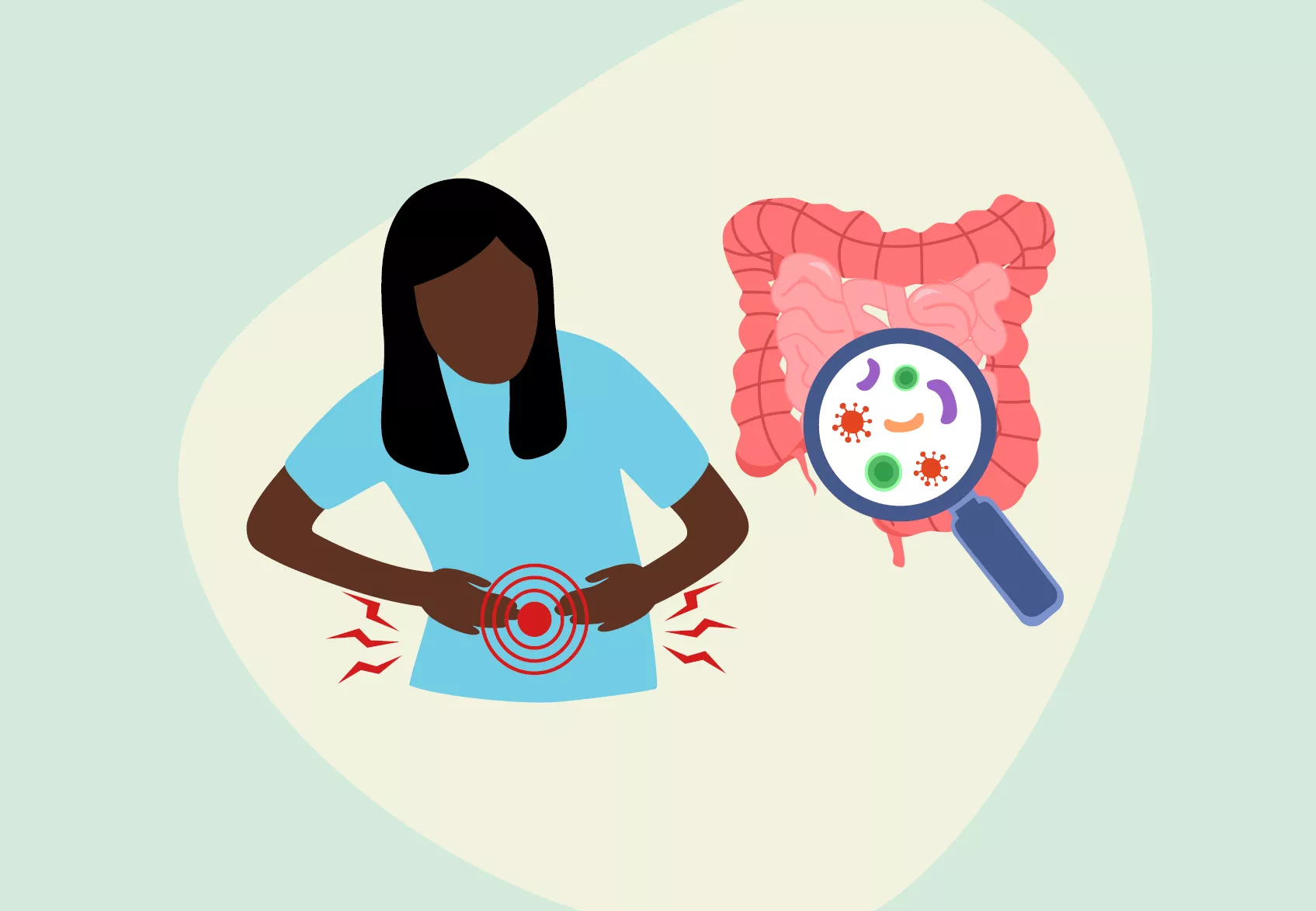
We often associate food poisoning with spoiled street food or questionable hygiene at restaurants. But the reality is far more unsettling, Accidental Food Poisoning can happen in any kitchen, even your own.
From improperly stored leftovers to undercooked meals, small everyday mistakes can lead to serious health issues. Understanding how Accidental Food Poisoning happens is the first step toward preventing it.
What Is Accidental Food Poisoning?
Accidental Food Poisoning refers to illness caused by unintentionally consuming contaminated food. Unlike obvious cases of food spoilage, this type often occurs without visible warning signs—no strange smell, no unusual taste.
It is commonly linked to bacteria such as Salmonella, E. coli, and Listeria, which can thrive in food that appears perfectly safe.
Common Causes You Might Overlook
Many cases of Accidental Food Poisoning stem from simple, preventable habits:
- Leaving cooked food at room temperature for too long
- Cross-contamination between raw and cooked foods
- Eating undercooked meat, eggs, or seafood
- Not washing fruits and vegetables properly
- Using expired or improperly stored ingredients
These small oversights can quickly turn a healthy meal into a health risk.
Symptoms to Watch For
Symptoms of Accidental Food Poisoning can range from mild discomfort to severe illness. Common signs include:
- Nausea and vomiting
- Diarrhea
- Stomach cramps
- Fever
- Fatigue
In some cases, symptoms may appear within hours, while in others, they can take days to develop—making it harder to trace the source.
Who Is Most at Risk?
While anyone can experience Accidental Food Poisoning, certain groups are more vulnerable:
- Children
- Pregnant women
- Elderly individuals
- People with weakened immune systems
For these groups, what seems like mild food poisoning can escalate into serious complications.
Simple Ways to Prevent It
Preventing Accidental Food Poisoning doesn't require drastic changes—just smarter habits:
- Refrigerate leftovers within two hours
- Cook food to safe internal temperatures
- Wash hands and utensils thoroughly
- Keep raw and cooked foods separate
- Check expiration dates regularly
Think of these steps as small investments in your health.
Final Thoughts
Accidental Food Poisoning is more common than most people realize—and far more preventable than it seems. By staying mindful in the kitchen and adopting safe food practices, you can significantly reduce your risk.
The next time you prepare a meal, remember: it's not just about taste—it's about safety too.

 English
 Arabic
 French
 Portuguese
 Deutsch
 Turkish
 Dutch
Dutch
 Italiano
 Russian
 Romaian
 Portuguese (Brazil)
 Greek
Greek