


How a Portable Generator Fits Into Smart Power Planning for Homes, Travel, and Emergencies
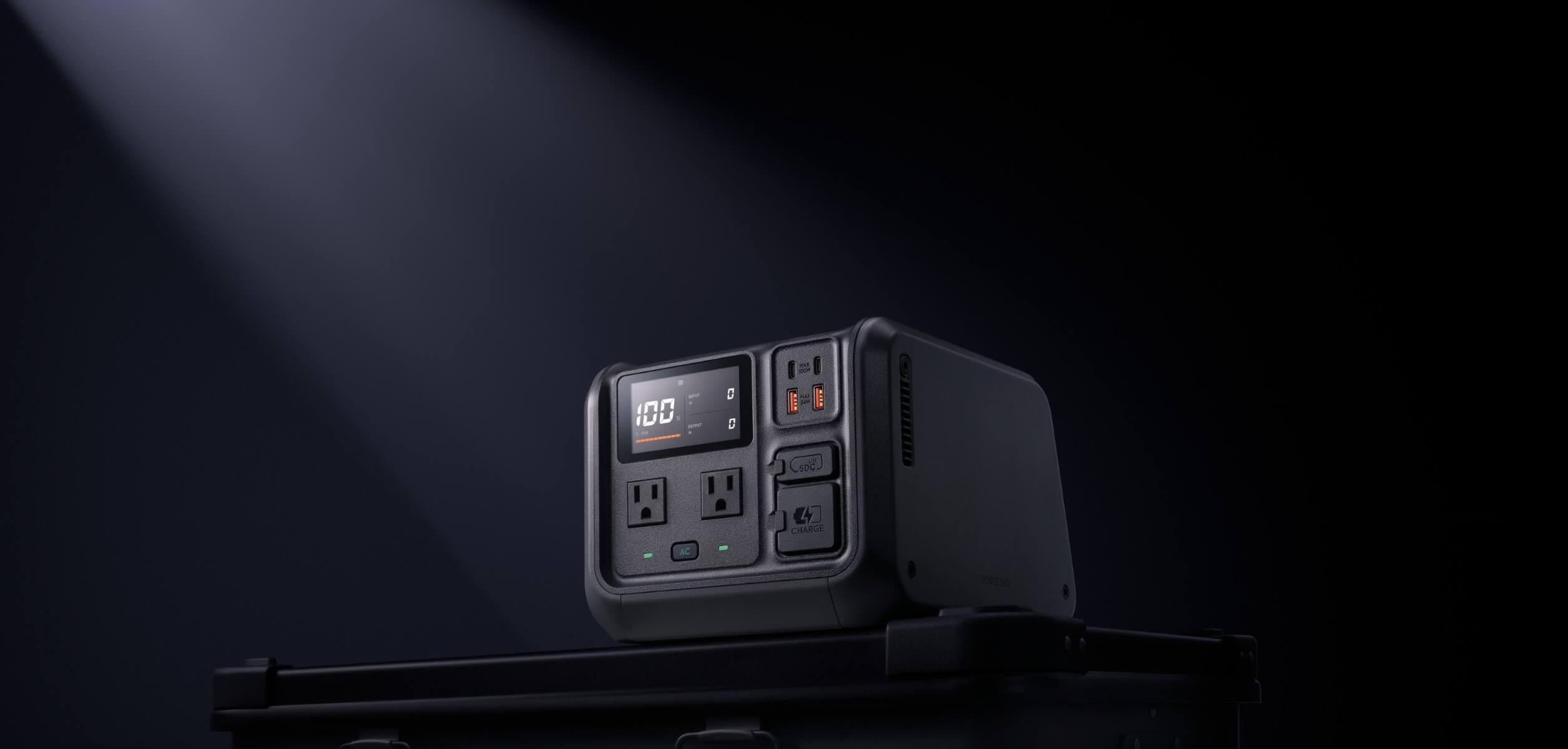
Power reliability is no longer something people think about only during storms or outages. From remote work to outdoor travel and home preparedness, people now plan for electricity the same way they plan for internet or water. This shift is why the portable generator has become part of everyday power planning rather than a last-resort tool. In this article, we look at how portable generators, portable power stations, and solar generators fit into modern lifestyles—and how people choose the right solution based on real needs, not marketing claims.
Why Power Planning Has Changed
Ten years ago, most households relied entirely on the grid. Today, that dependency is less comfortable.
Remote work, smart homes, medical devices, and mobile lifestyles mean even short power interruptions can cause real problems. At the same time, people are spending more time outdoors, traveling in RVs, and working from temporary locations.
This combination has made portable power solutions practical rather than optional.
What a Portable Generator Is in Practical Terms
A portable generator is a movable power source that provides electricity where fixed outlets are unavailable or unreliable.
In practical use, a portable generator serves three main purposes:
Backup power during outages
Mobile power for outdoor or remote locations
Temporary power for work or events
Modern portable generators range from fuel-powered units to advanced battery-based systems, giving users more choice than ever.
Portable Generator vs Portable Power Station
The terms are often used interchangeably, but they solve slightly different problems.
Portable Generator
Typically fuel-based
High output capability
Suitable for heavy appliances and tools
Runs continuously with refueling
Portable Power Station
Battery-powered and silent
Lower output but cleaner operation
Safe for indoor use
Ideal for electronics and light appliances
A portable power station is often chosen for convenience and quiet operation, while a portable generator is preferred when higher power output is required.
Where a Solar Generator Fits In
A solar generator is essentially a portable power station that can be recharged using solar panels.
Renewable Charging
Solar generators use sunlight instead of fuel, reducing operating costs over time.
Best for Extended Off-Grid Use
They work well for camping, RV living, and emergency preparedness.
Clean and Quiet
No fumes, no engine noise, and minimal maintenance.
Solar generators are most effective when sunlight availability and battery capacity are planned realistically.
Why People Buy Portable Generators Today
The motivation is no longer fear-based—it’s practical.
Reliability During Grid Instability
Power outages are becoming more common in some regions.
Work-From-Anywhere Lifestyles
People need dependable power outside traditional offices.
Outdoor Recreation Growth
Camping, tailgating, and overlanding all require electricity.
Emergency Preparedness Awareness
People prefer readiness over reaction.
Portable generators support all of these needs in different ways.
What Can a Portable Generator Power?
Understanding realistic usage prevents disappointment.
Low-Power Devices
Phones, tablets, laptops, routers, and lights.
Medium-Power Essentials
Refrigerators, fans, CPAP machines, TVs.
High-Power Equipment
Power tools, heaters, air conditioners (model-dependent).
The key is matching generator capacity to actual power demand.
How to Think About Power Capacity
Many buyers focus only on wattage, but planning goes deeper.
Starting vs Running Power
Some appliances need extra power at startup.
Runtime Expectations
Battery systems depend on usage patterns.
Load Prioritization
Essential devices should be powered first.
Smart power planning avoids overload and wasted capacity.
Noise, Emissions, and Usability
Modern portable generators have improved significantly.
Noise Levels
Inverter-based systems operate much quieter than older models.
Emissions
Battery and solar systems eliminate fuel emissions during use.
Ease of Use
Most modern units are plug-and-play with minimal setup.
These improvements make portable generators more user-friendly for everyday scenarios.
How a Portable Generator Supports Home Backup Needs
A portable generator doesn’t replace a whole-house system—but it fills important gaps.
Food Protection
Keeps refrigerators running during outages.
Communication
Powers phones, modems, and routers.
Medical Equipment
Supports essential health devices.
Comfort and Safety
Provides lighting and basic climate control.
For many households, this level of backup is sufficient.
Portable Power for Travel and Outdoor Use
Outdoor use is one of the fastest-growing applications.
RV and Van Life
Portable generators support appliances and charging needs.
Camping and Overlanding
Provide lighting, cooking power, and device charging.
Outdoor Events
Enable temporary setups without permanent wiring.
Portability and reliability matter more than maximum output in these situations.
Why Power Stations Are Popular for Indoor Use
Portable power station are often preferred indoors.
No Fumes
Safe to use inside homes or tents.
Silent Operation
Ideal for night use and shared spaces.
Minimal Maintenance
No oil, fuel, or engine care required.
This makes them appealing for apartments and urban users.
Read more:- Do Bluetooth Microphones Work for Live Streaming and Podcasting? Here’s What You Should Know
How Solar Generators Change Long-Term Costs
While solar generators may cost more upfront, they reduce ongoing expenses.
No Fuel Purchases
Sunlight replaces gasoline or propane.
Low Maintenance
Fewer moving parts mean fewer failures.
Energy Independence
Useful during extended outages.
They are especially valuable where sunlight is consistent.
Common Buying Mistakes People Make
Overestimating Power Needs
Buying too large increases cost without benefit.
Ignoring Runtime
High output doesn’t always mean long usage.
Forgetting Port Types
Outlet variety matters more than wattage.
No Power Strategy
Buying without a plan leads to frustration.
Smart buyers think in scenarios, not specifications alone.
How Portable Generators Support Small Businesses
Portable generators are not only for homes.
Mobile Services
Food trucks, event vendors, and repair crews rely on portable power.
Temporary Worksites
Construction and maintenance projects benefit from mobility.
Emergency Continuity
Small offices can maintain basic operations during outages.
For businesses, downtime is more expensive than equipment.
Maintenance and Longevity
Modern portable generators are designed for ease of ownership.
Fuel Models
Require occasional oil checks and proper storage.
Battery Models
Benefit from regular charging cycles.
Solar Systems
Need clean panels and proper storage.
Routine care extends lifespan significantly.
Environmental Perspective on Portable Power
Portable power is becoming cleaner.
Battery Technology Improvements
Higher efficiency and longer life cycles.
Solar Integration
Reduced reliance on fossil fuels.
Efficient Energy Use
Better inverters reduce waste.
Portable power solutions are aligning better with sustainability goals.
How Portable Generators Fit Into Emergency Planning
Preparedness is about layers, not extremes.
Portable generators:
Bridge short-term outages
Support essential needs
Provide flexibility without complexity
They complement—not replace—other safety measures.
Why Portable Power Is Becoming a Lifestyle Tool
Electricity now follows people instead of staying fixed.
Portable generators reflect how people live today:
Mobile
Connected
Prepared
This shift is unlikely to reverse.
Choosing the Right Setup for Your Needs
Instead of asking “Which is best,” ask:
Where will I use it?
How long will I need power?
What devices matter most?
The answers guide whether a portable generator, portable power station, or solar generator fits best.
The Future of Portable Power
Portable power is evolving rapidly.
Smarter Energy Management
Better efficiency and monitoring.
Improved Batteries
Longer lifespan with less weight.
Greater Solar Adoption
More users combining solar with battery storage.
Portable generators are becoming more adaptable, not more complex.
Conclusion
A portable generator is no longer just an emergency device—it’s part of smart power planning for modern life. Whether paired with a portable power station for quiet indoor use or used as a solar generator for renewable energy independence, portable power solutions offer flexibility, reliability, and control. As people rely more on electricity in mobile and unpredictable environments, thoughtful portable power planning becomes a practical investment rather than a backup option.

 Arabic
 French
 Spanish
 Portuguese
 Deutsch
 Turkish
 Dutch
Dutch
 Italiano
 Russian
 Romaian
 Portuguese (Brazil)
 Greek
Greek