


7 Common Sunscreen Myths That Are Hurting Your Skin Health
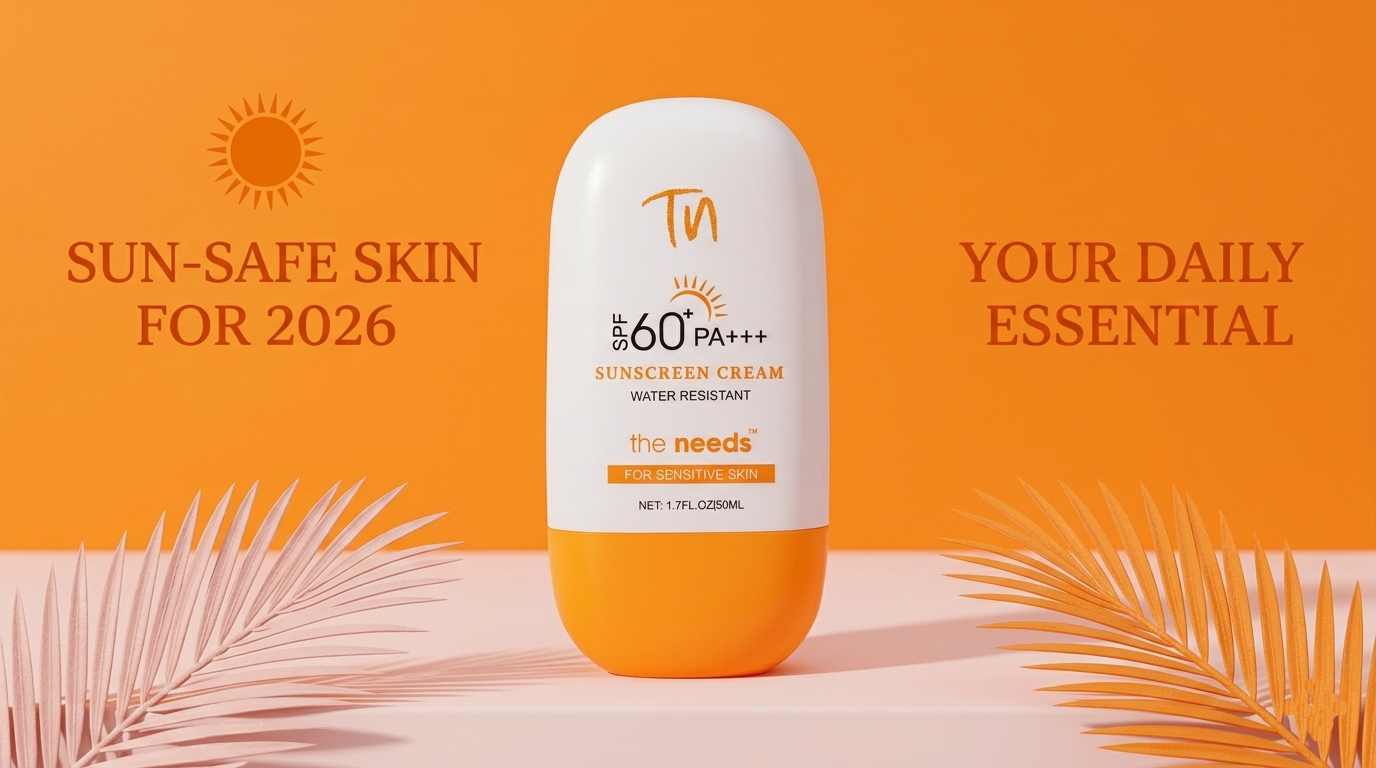
In the world of skincare, trends come and go. We see the rise of "glass skin," the obsession with snail mucin, and the endless debate over retinol strengths. However, one product remains the undisputed heavyweight champion of skin health: sunscreen.
Despite it being the single most important step in any dermatological routine, sunscreen is also the most misunderstood. Misinformation spreads quickly on social media, leading many to believe that SPF is only for the beach, or worse, that it’s "toxic." These misconceptions aren't just harmless trivia; they are actively contributing to premature aging, hyperpigmentation, and rising rates of skin cancer.
If you want to maintain a youthful, healthy complexion well into your later years, it’s time to separate fact from fiction. Here are the seven most common sunscreen myths debunked by science.
1. "I Don’t Need Sunscreen if It’s Cloudy or Cold Outside":
This is perhaps the most dangerous myth of all. Many people equate the need for SPF with the sensation of heat. If it’s 20°C and overcast, you might feel "safe."
The Reality:
The sun emits two primary types of ultraviolet (UV) radiation: UVA and UVB.
- UVB rays are responsible for sunburns and are strongest during the summer months.
- UVA rays are present with relatively equal intensity during all daylight hours throughout the year. They penetrate clouds and even glass.
UVA rays are often called the "aging" rays. They penetrate deeper into the dermis, breaking down collagen and elastin. Up to 80% of the sun's UV rays can pass through clouds. If you skip sunscreen on a cloudy Tuesday in November, you are still accumulating DNA damage that leads to wrinkles and skin cancer.
2. "People with Darker Skin Tones Don't Need Sunscreen":
There is a long-standing misconception that melanin provides a "natural" total shield against sun damage. While it is true that higher levels of melanin provide a natural SPF (estimated to be around SPF 13 in Black skin), this is not enough to prevent cellular damage.
The Reality:
While individuals with deeper skin tones may burn less easily, they are still susceptible to:
- Hyperpigmentation: UV exposure can worsen melasma and post-inflammatory hyperpigmentation (dark spots left by acne).
- Skin Cancer: When skin cancer is diagnosed in people of color, it is often caught at a much later, more dangerous stage because of the "I’m immune" myth.
- Photo-aging: Melanin does not make you immune to the fine lines and leathery texture caused by UVA exposure.
Everyone, regardless of ethnicity or skin tone, needs a broad-spectrum sunscreen of at least SPF 30.
3. "My Makeup Has SPF, So I’m Fully Protected":
It’s a common selling point: "This foundation contains SPF 15!" While having SPF in your makeup is a nice bonus, relying on it as your sole source of protection is a recipe for a secret sunburn.
The Reality:
To achieve the SPF rating listed on a bottle, you need to apply a significant amount of product—roughly 2 milligrams per square centimeter of skin. For the face, that translates to about a nickel-sized dollop.
If you were to apply enough foundation to actually get the SPF 15 protection promised on the label, your makeup would look incredibly heavy and "cakey." Most people apply a thin layer of makeup, which results in a fraction of the advertised protection.
The Golden Rule: Apply a dedicated sunscreen under your makeup first. Think of your SPF-infused foundation as a safety net, not the primary parachute.
4. "Chemical Sunscreens Are Toxic and Mineral Sunscreens Are Better":
The "Clean Beauty" movement has sparked a massive debate between chemical and mineral (physical) filters. Some claim chemical filters like oxybenzone disrupt hormones, while others claim mineral filters are the only "natural" choice.
The Reality:
Both types are regulated and deemed safe by major health organizations (like the FDA and the SCCS in Europe).
- Chemical Sunscreens: Work by absorbing UV rays and converting them into heat. They are generally more elegant, easier to rub in, and don't leave a white cast.
- Mineral Sunscreens: Use Zinc Oxide or Titanium Dioxide to reflect and scatter UV rays. They are great for sensitive skin but can be thicker.
As for the "toxic" claims, current human studies have not shown that the trace amounts of chemicals absorbed through the skin have any clinical effect on hormone levels. The known danger of UV radiation—which is a Group 1 Carcinogen—far outweighs the theoretical risks of modern sunscreen formulations.
5. "One Application in the Morning is Enough for the Whole Day":
You applied your SPF at 8:00 AM before heading to work. You’re good until dinner, right? Unfortunately, no.
The Reality:
Sunscreen filters break down over time when exposed to direct sunlight. More importantly, the protective film on your skin is disturbed by:
- Sweat
- Natural skin oils (sebum)
- Touching your face
- Physical friction (clothing or towels)
Dermatologists recommend reapplying every two hours, or more frequently if you are swimming or sweating. If you wear makeup, consider an SPF mist or a powder sunscreen for touch-ups throughout the day.
6. "Using Sunscreen Will Lead to Vitamin D Deficiency":
This is a frequent concern for those who want to be "natural." Since our skin produces Vitamin D in response to UVB rays, people fear that blocking those rays will lead to a deficiency.
The Reality:
In practice, very few people apply sunscreen so perfectly and so heavily that they block all Vitamin D production. Even with SPF 50, some UVB rays still reach the skin.
Furthermore, you only need about 10 to 15 minutes of sun exposure on a small area of your body (like your arms) a few times a week to maintain Vitamin D levels. It is much safer to get your Vitamin D through a balanced diet or supplements than by intentionally subjecting your skin to DNA-damaging radiation.
7. "High SPF Means I Can Stay in the Sun Longer":
If SPF 30 blocks about 97% of UVB rays, and SPF 50 blocks 98%, many people think SPF 100 makes them invincible.
The Reality:
The SPF scale is not linear.
- SPF 15 blocks 93% of UVB rays.
- SPF 30 blocks 97% of UVB rays.
- SPF 50 blocks 98% of UVB rays.
The jump from 30 to 50 is only a 1% increase in protection. High SPF numbers often give users a false sense of security, leading them to stay in the sun for hours without reapplying or seeking shade. No sunscreen blocks 100% of UV rays. Regardless of the number on the bottle, the two-hour reapplication rule still applies.
How to Choose the Right Sunscreen for 2026:
To ensure your skin stays healthy, look for these three things on the label:
- Broad Spectrum: This ensures you are protected against both UVA (aging) and UVB (burning) rays.
- SPF 30 or Higher: This is the baseline recommended by the Skin Cancer Foundation.
- Water Resistance: Even if you aren't swimming, this helps the product stay put through humidity and sweat.
Quick Reference Table: Sunscreen Types:
|
Feature |
Mineral (Physical) |
Chemical |
|
Active Ingredients |
Zinc Oxide, Titanium Dioxide |
Avobenzone, Octisalate, Oxybenzone |
|
How it works |
Sits on top; reflects UV rays |
Absorbs into skin; converts UV to heat |
|
Best for |
Sensitive skin, babies, rosacea |
Athletes, daily wear under makeup |
|
Pros |
Works immediately upon application |
No white cast, lighter texture |
|
Cons |
Can be heavy or leave a white cast |
Needs 15-20 mins to "set" before exposure |
The Bottom Line:
Sunscreen is the most effective, least expensive anti-aging tool in your arsenal. By ignoring these common myths, you aren't just saving yourself from a painful burn today; you are protecting your skin's future.
Whether it’s raining, snowing, or you’re just sitting by a window in your office, wear your SPF. Your future self will thank you for the lack of sunspots and the healthy, resilient skin you've maintained.

 English
 Arabic
 French
 Spanish
 Portuguese
 Turkish
 Dutch
Dutch
 Italiano
 Russian
 Romaian
 Portuguese (Brazil)
 Greek
Greek