


Why Are Clinics Switching to a Virtual Medical Assistant?
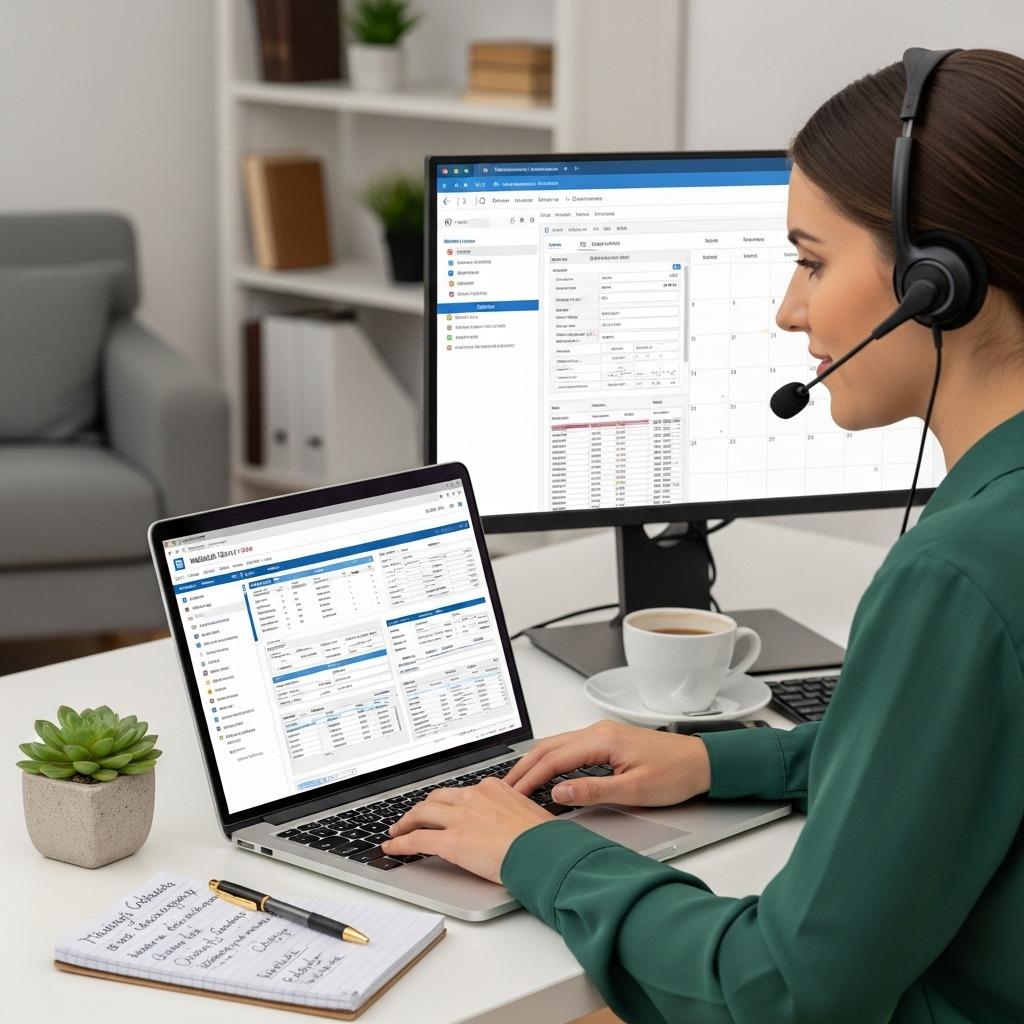
Clinics today are under pressure to see more patients, manage heavier workloads, and keep costs under control. Many are finding relief in a virtual medical assistant, a remote support professional who handles scheduling, patient communication, and administrative tasks—often without the need for additional in‑office staff. This model is quickly becoming a core part of how modern practices stay efficient and patient‑centered.
Reclaiming Providers’ Time for Patient Care
One of the main reasons clinics are switching to a virtual medical assistant is to give providers more time for face‑to‑face care. VMAs handle routine tasks such as answering calls, confirming appointments, sending reminders, and managing basic patient questions. This reduces the number of interruptions during clinic hours and lets physicians stay on schedule and focused on the exam room instead of juggling phones and paperwork.
When clinicians can spend less time on administrative multitasking, they can engage more fully with each patient. This deeper interaction not only improves clinical decision‑making but also boosts patient satisfaction and trust in the practice. For many clinics, a virtual medical assistant has become the first line of defense against burnout, helping both staff and providers feel less overwhelmed.
Smoother Front‑Desk and Scheduling Operations
A virtual medical assistant often acts as the remote front‑desk team, coordinating calls, messages, and scheduling across the practice. They can book and reschedule appointments, send clear instructions, and help patients understand how to prepare for in‑person or telehealth visits. This smooth, responsive front‑desk experience reduces phone abandonment, prevents missed or double‑booked visits, and creates a more predictable daily workflow.
For patients, this means being able to reach the practice easily, receive timely reminders, and feel confident that their visit is well coordinated. For clinics, it means a lighter load on in‑office staff and a more professional front‑desk presence without the overhead of additional full‑time employees.
Strengthening Billing and Revenue‑Cycle Performance
Beyond the front desk, a virtual medical billing function can significantly improve a clinic’s financial health. A virtual team can verify insurance eligibility, prepare claims, follow up on denials, and track unpaid balances, all from a remote workstation. This support is especially valuable for small or multi‑provider practices that lack a dedicated in‑house billing specialist.
By handling insurance checks, prior‑authorization coordination, and payer follow‑up, virtual medical billing specialists help clinics improve clean‑claim rates, reduce delays in reimbursement, and minimize revenue leakage. When this work is paired with a virtual medical assistant who manages scheduling and basic insurance verification, the result is a tightly coordinated revenue‑cycle workflow that keeps cash flow stable and predictable.
Supporting Telehealth and Hybrid Care Models
Telehealth has become a permanent part of many clinics’ service offerings, and virtual assistants are well suited to support it. A virtual medical assistant can manage video‑visit scheduling, send secure links, confirm that patients have functioning devices, and guide them through the technical setup. They may also handle after‑hours inquiries, routing urgent issues to the on‑call provider while scheduling non‑urgent visits for later.
For practices blending in‑person and virtual care, this support is essential for maintaining a professional, patient‑friendly experience without overburdening on‑site staff. Virtual medical assistants allow clinics to scale telehealth hours, manage complex workflows, and still keep the front‑desk side of the practice running smoothly.
Cost‑Effective, Scalable Practice Support
Finally, a virtual medical assistant offers a flexible, cost‑effective support model. Practices can scale assistance up or down based on patient volume, seasonal demand, or new service lines such as telehealth expansion or specialty clinics. When combined with a virtual medical billing team, clinics can maintain efficient operations without the expense of adding full‑time in‑office staff, office space, or equipment.
In 2026, this combination of broad administrative support, clinical‑workflow coordination, and billing efficiency explains why more clinics are choosing to switch to a virtual medical assistant model. For many practices, it is no longer a luxury but a strategic necessity for staying efficient, profitable, and patient‑centric.

 English
 Arabic
 French
 Spanish
 Portuguese
 Deutsch
 Dutch
Dutch
 Italiano
 Russian
 Romaian
 Portuguese (Brazil)
 Greek
Greek