


Direct Hair Implant vs FUE: Which is Better in Islamabad?
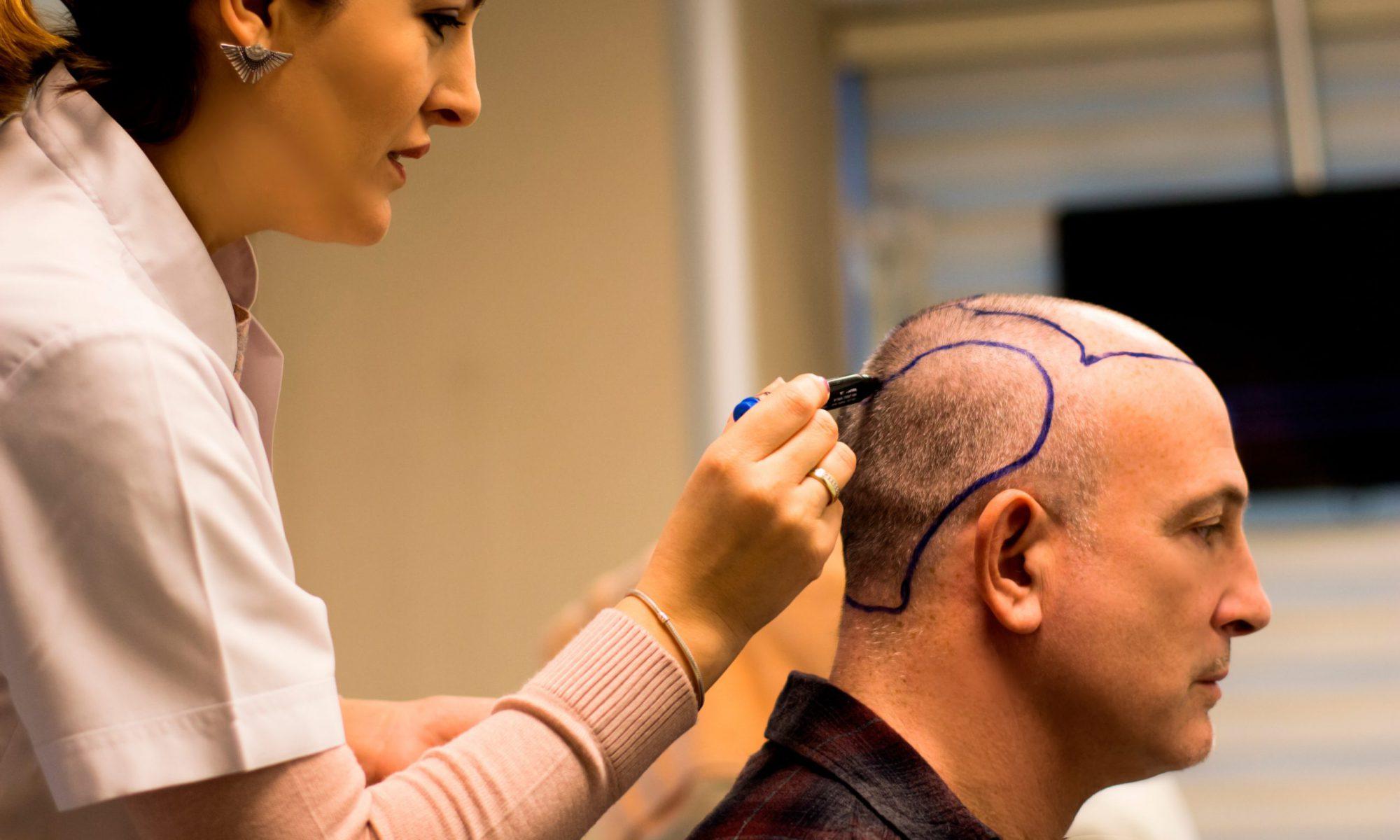
Hair loss is becoming a common concern among both men and women in Pakistan, especially in urban cities like Islamabad where stress, lifestyle, pollution, and genetics all contribute to thinning hair. With modern advancements in cosmetic dermatology, two of the most popular hair restoration techniques are Direct Hair Implantation (DHI) and Follicular Unit Extraction (FUE).
If you are planning a hair transplant in Islamabad, understanding the difference between these two methods is essential before making a decision. This guide explains both procedures in detail, compares them, and helps you choose the right option based on your needs.
What is Direct Hair Implantation (DHI)?
Direct Hair Implantation is an advanced form of hair restoration where hair follicles are extracted from a donor area (usually the back of the head) and directly implanted into the balding area using a specialized pen-like tool called a Choi implanter.
One of the biggest advantages of DHI is that it does not require prior channel creation. This makes the process more precise and allows better control over angle, depth, and direction of hair growth.
Many clinics offering Direct Hair Implant in Islamabad promote this technique due to its natural-looking results and faster recovery time.
What is FUE Hair Transplant?
Follicular Unit Extraction (FUE) is a traditional and widely used hair transplant method. In this procedure, individual hair follicles are extracted from the donor area and then implanted into tiny incisions made in the recipient area.
Unlike DHI, FUE involves two separate steps:
- Extraction of grafts
- Creation of channels and implantation
FUE is effective, reliable, and often more affordable, making it a popular choice among patients in Pakistan.
Key Differences Between DHI and FUE
Both techniques aim to restore natural hair growth, but they differ in method, precision, cost, and recovery time.
1. Procedure Technique
DHI uses a direct implantation pen, while FUE involves manual channel opening before implantation.
2. Precision and Control
DHI provides higher control over angle and density, which is ideal for hairline design. FUE also offers good results but is slightly less precise.
3. Healing Time
DHI generally has faster healing because there are fewer cuts in the scalp. FUE may require a slightly longer recovery period.
4. Cost Factor
FUE is usually more affordable compared to DHI, which is considered a premium technique.
5. Suitability
- DHI: Best for small to medium bald areas and hairline restoration
- FUE: Suitable for larger bald areas requiring more grafts
Which One is Better in Islamabad?
The answer depends on your hair condition, expectations, and budget.
If you want:
- Natural-looking hairline
- Higher density
- Minimal downtime
Then DHI is a better option, especially if you are considering Direct Hair Implant in Islamabad clinics offering advanced technology.
However, if you:
- Have extensive baldness
- Want a more budget-friendly solution
- Are comfortable with a slightly longer recovery
Then FUE is a practical and effective choice.
In Islamabad, both treatments are widely available, and experienced surgeons often recommend a combination approach depending on the patient’s scalp condition.
Benefits of Choosing Hair Transplant in Islamabad
Islamabad has become a growing hub for cosmetic and aesthetic procedures due to its skilled surgeons and modern clinics. Some benefits include:
- Affordable treatment packages compared to international standards
- Experienced dermatologists and transplant surgeons
- Advanced medical equipment
- High success rate procedures
- Personalized hair restoration plans
Because of these advantages, many patients from across Pakistan travel to Islamabad for hair restoration procedures.
Preparation Before Hair Transplant
Proper preparation plays a key role in achieving successful results, whether you choose DHI or FUE.
- Avoid smoking and alcohol at least one week before the procedure
- Stop blood-thinning medications after consulting your doctor
- Wash your hair properly on the day of surgery
- Eat a healthy meal before the procedure
- Discuss your medical history with the surgeon
- Avoid caffeine on the day of treatment
Following these steps helps reduce complications and ensures better graft survival.
Aftercare and Recovery Tips
After undergoing a hair transplant, proper aftercare is essential for long-lasting results.
- Do not touch or scratch the implanted area
- Sleep with your head elevated for a few days
- Avoid direct sunlight exposure
- Use prescribed shampoos only
- Avoid heavy exercise for at least 10–14 days
- Attend follow-up appointments regularly
Hair shedding in the first few weeks is normal. New growth usually begins within 3–4 months, with full results visible in 9–12 months.
Final Thoughts
Both DHI and FUE are effective hair restoration techniques with their own advantages. The choice ultimately depends on your personal needs, budget, and hair loss severity.
If precision, natural density, and faster healing are your priorities, DHI is an excellent option. On the other hand, if you are looking for an economical and proven solution for larger bald areas, FUE is highly reliable.
For many patients in Pakistan, especially in urban centers, Direct Hair Implant in Islamabad has become a preferred choice due to its modern approach and impressive aesthetic results. Consulting a qualified hair transplant specialist is the best way to determine which method suits you best.

 English
 Arabic
 French
 Spanish
 Portuguese
 Deutsch
 Turkish
 Dutch
Dutch
 Russian
 Romaian
 Portuguese (Brazil)
 Greek
Greek