


Electric Combi Boiler vs Oil Boiler: Which Is Best?
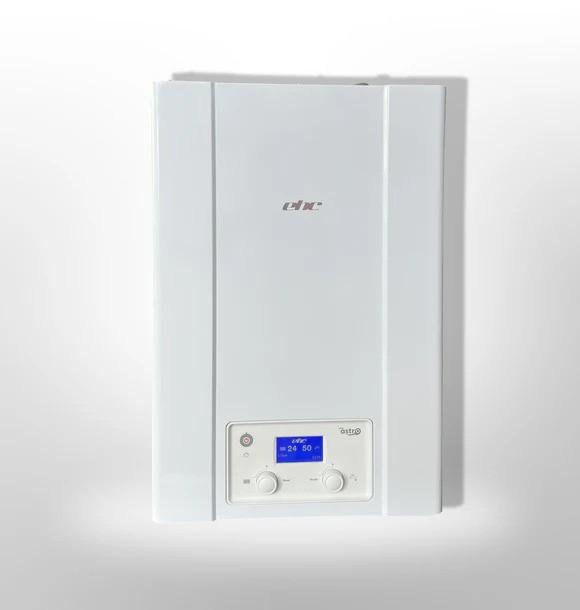
Choosing the right heating system for your home is one of the most important decisions a homeowner can make. With a range of options available, understanding the pros and cons of each system is essential. Two popular choices are electric combi boilers and oil boilers. Both provide central heating and hot water, but they work in very different ways. In this article, we’ll explore the key differences, benefits, and drawbacks of each, helping you decide which option is best for your home.
Understanding Electric Combi Boilers
Electric combi boilers, also known as electric combination boilers, are compact units designed to provide both heating and hot water on demand. Unlike traditional boilers that rely on gas or oil, electric combi boiler run solely on electricity. This makes them an excellent option for homes without access to a gas supply or where oil heating is impractical.
One of the main advantages of electric combination boilers is their efficiency. Because they heat water directly without the need for a storage tank, there is minimal heat loss. This translates to lower energy waste and consistent hot water whenever you need it. Electric combi boilers are also quiet, compact, and easy to install, making them ideal for apartments or small homes.
Understanding Oil Boilers
Oil boilers, on the other hand, use heating oil as their fuel source. These systems burn oil to heat water, which is then circulated throughout your home via radiators or underfloor heating. Oil boilers are often used in rural areas or locations without access to mains gas, offering a reliable and high-heat output solution for larger homes.
Oil boilers can be highly effective and provide a steady supply of heating even in colder climates. However, they require an oil storage tank, regular maintenance, and periodic refilling. They are also generally larger than electric combination boilers, which can be a consideration for homes with limited space.
Efficiency Comparison: Electric Combi Boiler vs Oil Boiler
When comparing electric combination boilers with oil boilers, energy efficiency is a key factor. Electric combination boilers convert almost all the electricity they use into heat, giving them efficiency ratings close to 99%. This makes them extremely energy-efficient and reduces wasted energy.
Oil boilers, while capable of providing powerful heating, typically have lower efficiency ratings, ranging from 80% to 95% for modern condensing models. This means some energy from the burned oil is lost in the process, making them slightly less efficient than electric combi boilers.
Environmental Considerations
Environmental impact is increasingly important when choosing a boiler. Electric combi boilers produce zero emissions on-site since they do not burn fuel. If paired with renewable energy sources such as solar panels or green electricity tariffs, they can significantly reduce your home’s carbon footprint.
Oil boilers, by contrast, burn fossil fuel and produce CO2 emissions. While modern condensing oil boilers are cleaner than older models, they still contribute to greenhouse gas emissions. If sustainability is a priority, an electric combination boiler is the greener option.
Installation and Maintenance
Installation and maintenance also differ between these two types of boilers. Electric combi boilers are compact and relatively easy to install because they do not require flues, gas lines, or oil tanks. This can reduce upfront installation costs and make them ideal for properties where space is limited.
Oil boilers, however, need an external storage tank, which can take up space and require planning permission in some areas. They also need regular servicing to ensure efficient operation, which can be more complex and costly compared to electric combination boilers.
Running Costs
Running costs are another crucial consideration. Electric combi boilers generally have higher electricity costs compared to the price of oil, meaning that your monthly bills may be higher, particularly if your home has a high heating demand. However, their efficiency and low maintenance requirements can help offset some of these costs over time.
Oil boilers can be cheaper to run in areas where heating oil prices are low, especially for larger homes that require a lot of heat. It’s important to remember, though, that oil prices can fluctuate, making running costs less predictable.
Space Requirements
For homeowners concerned about space, electric combi boilers offer a significant advantage. Their compact design means they can be wall-mounted in small utility rooms, kitchens, or even cupboards. There’s no need for a bulky oil tank or extensive pipework, which is often required with oil boilers.
Oil boilers, on the other hand, require more room for both the boiler itself and the oil storage tank. This can be a limiting factor for properties with limited space, and it may also affect the aesthetics of your home.
Safety Considerations
Safety is another important factor. Electric combination boilers do not burn fuel, which eliminates the risk of gas leaks or carbon monoxide poisoning. They are generally considered very safe to operate, requiring only standard electrical safety checks.
Oil boilers, however, involve burning fuel, so there’s a need for proper ventilation and regular checks to prevent carbon monoxide buildup. While modern oil boilers are safe when maintained correctly, they do require more vigilance than electric combi boilers.
Making the Right Choice for Your Home
Choosing between an electric combi boiler and an oil boiler ultimately depends on your home’s needs, location, and priorities. If you value energy efficiency, sustainability, low maintenance, and a compact design, electric combination boilers are an excellent choice. They are particularly suitable for smaller homes, apartments, and off-grid locations.
If your home is larger, located in a rural area, or requires high heat output, an oil boiler may be more appropriate. While less environmentally friendly, oil boilers provide reliable heating and can be cost-effective depending on fuel prices.
Conclusion
Both electric combi boilers and oil boilers have their unique benefits and drawbacks. Electric combination boilers excel in efficiency, environmental friendliness, and ease of installation, making them ideal for modern homes and sustainable living. Oil boilers remain a strong option for homes with higher heating demands or limited access to electricity.
Ultimately, the best choice comes down to your specific needs, budget, and priorities. By understanding the differences in efficiency, cost, installation, and environmental impact, you can make an informed decision that keeps your home warm, safe, and energy-conscious.

 English
 Arabic
 French
 Spanish
 Portuguese
 Deutsch
 Turkish
 Italiano
 Russian
 Romaian
 Portuguese (Brazil)
 Greek
Greek