


How to Relieve Anxiety Fast: Effective Solutions That Work
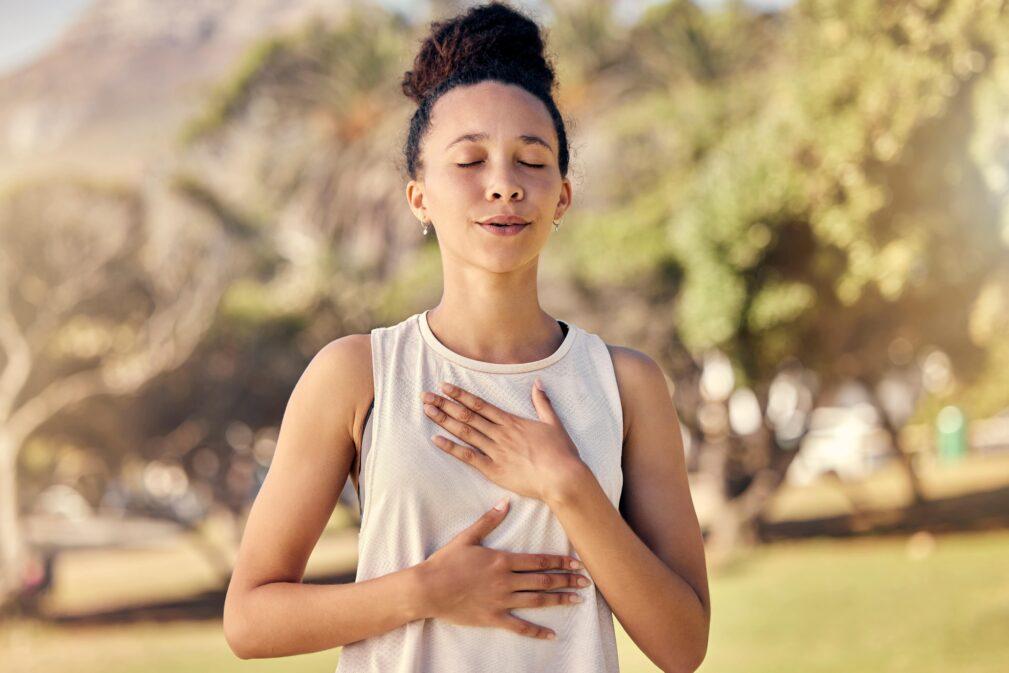
Anxiety is a common experience that many people face at some point in their lives. It can range from mild nervousness to overwhelming feelings that interfere with daily activities. When anxiety strikes, it’s essential to have quick and effective ways to alleviate its grip. In this article, we’ll explore actionable methods for anxiety relief that can provide you with the comfort and calm you need to get through tough moments.
While anxiety may feel like a heavy burden, the right techniques can help you manage and even reduce it. Whether you are dealing with work-related stress, social situations, or general unease, knowing how to relieve anxiety fast can significantly improve your mental well-being.
1. Breathing Techniques for Immediate Calm
When anxiety hits, your body's natural response often involves a faster heartbeat and shallow breathing. One of the fastest ways to reduce anxiety is by using deep breathing techniques. Controlled breathing helps signal your body that it's time to relax and activate your parasympathetic nervous system, which is responsible for the “rest and digest” response.
A simple method is the 4-7-8 breathing technique. Here’s how it works:
-
Inhale quietly through your nose for 4 seconds.
-
Hold your breath for 7 seconds.
-
Exhale slowly through your mouth for 8 seconds.
This technique helps slow your heart rate and calms the mind, making it one of the most effective ways to relieve anxiety quickly. You can practice this breathing exercise for just a few minutes to feel a noticeable difference.
2. Grounding Techniques for Immediate Focus
Another effective way to manage anxiety in the moment is through grounding techniques. Grounding helps you focus on the present, which is essential when anxiety causes you to dwell on future fears or uncertainties.
A popular grounding exercise is the 5-4-3-2-1 technique:
-
Name 5 things you can see around you.
-
Identify 4 things you can touch or feel.
-
Acknowledge 3 things you can hear.
-
Recognize 2 things you can smell.
-
Focus on 1 thing you can taste.
By grounding yourself in the present, you disrupt the anxious thoughts that often overwhelm the mind, allowing you to feel more centered and less anxious.
3. Mindfulness Meditation for Long-Term Relief
Mindfulness meditation is another powerful tool for both short-term and long-term anxiety relief. This practice encourages you to focus on the present moment, observing thoughts and feelings without judgment. Over time, mindfulness can help reduce the intensity of anxious thoughts, promoting a sense of inner calm.
When you practice mindfulness, you allow yourself to experience your thoughts without immediately reacting to them. This can help prevent anxiety from escalating. Even just 10 minutes a day of mindful breathing or guided meditation can provide a significant reduction in anxiety levels.
For those seeking a more structured approach, apps like Headspace or Calm offer guided mindfulness exercises that can be tailored to your specific needs. With consistent practice, these sessions can also have long-term benefits for health and wellness, enhancing both your mental and emotional resilience.
4. Physical Activity to Release Tension
Physical activity is one of the most effective ways to combat anxiety. Exercise helps release endorphins, the body's natural mood lifters, which improve feelings of well-being. It also reduces the levels of stress hormones like cortisol, making it easier to relax both mentally and physically.
Even a short walk or some light stretching can make a noticeable difference. Activities like yoga or tai chi, which combine movement and mindfulness, are particularly helpful for those looking to relieve anxiety fast. For more intense anxiety, engaging in higher-intensity exercises like running or cycling can provide a faster release of tension, leaving you feeling energized and more at ease.
5. Aromatherapy to Soothe Your Mind
Aromatherapy is a natural and effective way to alleviate anxiety. Certain essential oils, such as lavender, chamomile, and bergamot, are known for their calming properties. You can use these oils in a diffuser, add them to a warm bath, or apply them topically (when diluted with a carrier oil).
Research shows that lavender oil in particular can have a positive impact on anxiety levels. Studies suggest that the scent of lavender promotes relaxation and can even improve sleep quality, which is crucial when dealing with anxiety. Using aromatherapy as part of your routine can support both short-term relief and long-term health and wellness.
6. Herbal Teas for Stress Relief
Certain herbs have been used for centuries to promote calm and alleviate anxiety. Drinking herbal teas made from calming herbs like chamomile, lemon balm, or passionflower can help ease feelings of tension and promote a peaceful mind. These herbs are known for their natural sedative effects and are often recommended as part of a bedtime routine to support relaxation.
Sipping on a warm cup of herbal tea can have a soothing effect on both your body and mind. In addition to aiding in anxiety relief, these teas can also contribute to overall health and wellness by promoting better sleep and reducing stress.
7. The Power of Positive Affirmations
Positive affirmations are a simple yet effective tool to combat negative thought patterns that fuel anxiety. When you experience anxiety, your mind often becomes flooded with irrational fears and worries. By repeating positive statements or affirmations, you can challenge these thoughts and replace them with empowering beliefs.
For example, you might repeat to yourself: "I am in control of my thoughts," or "I am capable of handling this situation." Over time, this practice can help shift your mindset and reduce the frequency and intensity of anxious thoughts. It may take some practice, but incorporating positive affirmations into your daily routine can help maintain emotional stability.
8. Proper Sleep for Anxiety Management
Lack of sleep can worsen anxiety symptoms, creating a cycle of stress that’s difficult to break. Getting adequate rest is crucial not only for your physical health but also for your mental well-being. Aim for 7-9 hours of sleep each night to allow your body to recharge and heal.
Sleep hygiene is essential for improving the quality of your sleep. Creating a consistent bedtime routine, avoiding screens before bed, and keeping your sleep environment dark and cool can make a significant difference in how well you rest. A good night's sleep will leave you feeling refreshed and better equipped to manage anxiety the following day.
9. Limit Stimulants Like Caffeine and Sugar
Caffeine and sugar can exacerbate feelings of anxiety, as they both stimulate the nervous system and increase heart rate. While a cup of coffee or sugary snacks might provide a temporary energy boost, they can ultimately leave you feeling jittery and more anxious.
Consider limiting your intake of caffeinated beverages like coffee, energy drinks, and soda. Likewise, try to reduce your consumption of sugary foods and refined carbohydrates, as these can cause blood sugar spikes and crashes, contributing to mood swings and anxiety. Opt for more balanced meals and hydrating beverages to maintain steady energy levels.
10. Seek Professional Help When Needed
If you find that anxiety is interfering with your daily life and none of the above techniques seem to provide lasting relief, it may be time to seek professional help. A licensed therapist or counselor can work with you to develop a treatment plan that addresses the root causes of your anxiety. Cognitive-behavioral therapy (CBT) is particularly effective in helping individuals manage anxiety by changing negative thought patterns.
In some cases, medication may be prescribed to help alleviate anxiety symptoms. It's important to consult with a healthcare professional to determine the best course of action for your unique needs.
Conclusion
Anxiety can be overwhelming, but there are numerous effective strategies for anxiety relief that can help you regain control. Whether it’s through deep breathing, physical activity, mindfulness, or herbal remedies, these techniques can provide quick relief and contribute to long-term health and wellness.
Remember, managing anxiety is a journey, and it’s essential to find what works best for you. By incorporating these methods into your routine, you can reduce anxiety’s impact and enjoy a calmer, more balanced life.

 English
 Arabic
 French
 Portuguese
 Deutsch
 Turkish
 Dutch
Dutch
 Italiano
 Russian
 Romaian
 Portuguese (Brazil)
 Greek
Greek