


Recovery Tips After Recovery Tips After Wisdom Tooth Extraction
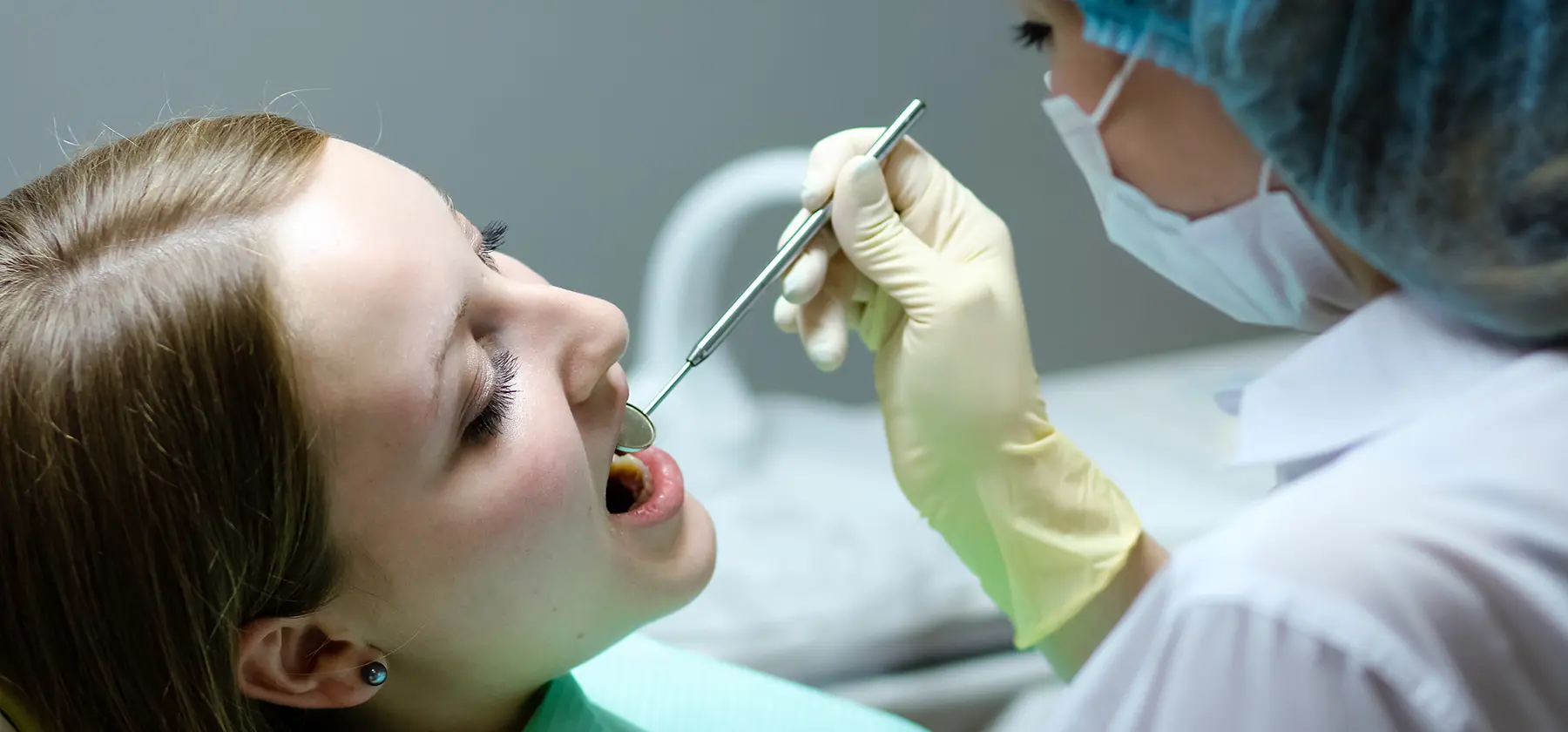
Recovering from wisdom tooth extraction is an important part of ensuring proper healing and avoiding complications. While the procedure itself is usually quick and painless, the days following surgery require careful attention. Knowing what to expect and how to take care of yourself can make your recovery smoother, faster, and more comfortable. Below are essential recovery tips to help you heal safely and effectively after your wisdom tooth removal.
1. Rest and Take It Easy
Rest is one of the most important elements of recovery. Avoid strenuous activities, heavy lifting, exercise, or anything that raises your heart rate for at least 48 to 72 hours after surgery. Increased blood flow can dislodge the blood clot that forms in the socket, leading to a painful condition called dry socket. Spend the first day resting, ideally with your head elevated on pillows to help reduce swelling.
2. Use Ice Packs to Reduce Swelling
Swelling is normal during the first two to three days after surgery. Apply ice packs to the outside of your cheeks in 15- to 20-minute intervals to minimize swelling and discomfort. After the first 24 hours, you can switch to warm compresses to increase circulation and support healing.
3. Take Medications as Directed
Your dentist may prescribe pain relievers, antibiotics, or anti-inflammatory medications. Take these exactly as instructed. Over-the-counter options like ibuprofen can help reduce both pain and swelling. Avoid taking aspirin, as it can increase bleeding. Keeping your medication schedule consistent helps keep discomfort under control during the most sensitive period.
4. Stick to Soft Foods
Eating soft foods protects the surgical site and prevents irritation. Great options include yogurt, mashed potatoes, soups, oatmeal, smoothies (without straws), applesauce, scrambled eggs, and pudding. Avoid hot foods and drinks for the first day, as well as crunchy, sticky, spicy, or chewy foods that may irritate the extraction area.
5. Avoid Using Straws
Using a straw creates suction that can dislodge the blood clot, leading to dry socket. Avoid straws completely for at least a week. Drink directly from a cup or use a spoon for thicker liquids like smoothies.
6. Maintain Gentle Oral Hygiene
Keeping your mouth clean is essential, but be careful around the extraction site. Brush your teeth normally, but avoid the surgical area for the first few days. After 24 hours, begin gently rinsing your mouth with warm salt water several times a day, especially after meals. Avoid commercial mouthwashes that contain alcohol, as they may irritate the healing tissues.
7. Stay Hydrated
Drink plenty of water throughout the day to stay hydrated and support healing. Avoid carbonated beverages, alcohol, and caffeinated drinks during the first 24 to 48 hours, as these can irritate the extraction site or interfere with medications.
8. Keep Your Head Elevated
Sleeping with your head elevated on extra pillows reduces swelling and helps prevent excess bleeding. Avoid lying flat for the first few days. Propping yourself up at a slight angle is ideal for keeping pressure off the extraction sites.
9. Avoid Smoking and Alcohol
Smoking slows healing, increases the risk of infection, and significantly raises the chances of developing dry socket. Avoid smoking or vaping for at least 72 hours, but ideally for a full week. Alcohol can also interfere with medications and irritate the tissues, so avoid it for at least a few days.
10. Monitor Bleeding
Some light bleeding is normal during the first 24 hours. Bite down gently on the gauze provided by your dentist for about 30 to 45 minutes, replacing it as needed. If bleeding continues beyond the first day or becomes heavy, contact your dentist.
11. Watch for Signs of Complications
It’s important to keep an eye on your symptoms. Contact your dentist immediately if you notice severe pain that doesn't improve after a few days, persistent bleeding, fever, pus near the extraction site, foul breath that won’t go away, or numbness that lasts longer than expected. Early intervention helps prevent complications such as infection or dry socket.
12. Follow Your Dentist’s Post-Op Instructions
Every extraction is different, so always follow the instructions your dentist provides. They may recommend specific rinses, a tailored medication schedule, or restrictions based on your particular case. Personalized instructions are designed to support optimal healing.
Final Thoughts
Recovering from a wisdom tooth extraction doesn’t have to be difficult. With proper rest, careful oral hygiene, smart food choices, and close attention to your body, you’ll be well on your way to a smooth and speedy recovery. Remember that patience is key—taking the right steps during the first few days can make a significant difference in how quickly and comfortably you heal. If you’d like this rewritten in a different style, expanded into a longer blog post, or optimized for a specific SEO keyword, I can update it for you.

 English
 Arabic
 French
 Spanish
 Portuguese
 Turkish
 Dutch
Dutch
 Italiano
 Russian
 Romaian
 Portuguese (Brazil)
 Greek
Greek