


Drones are Quietly Rewriting Inspection Playbook in Oil & Gas
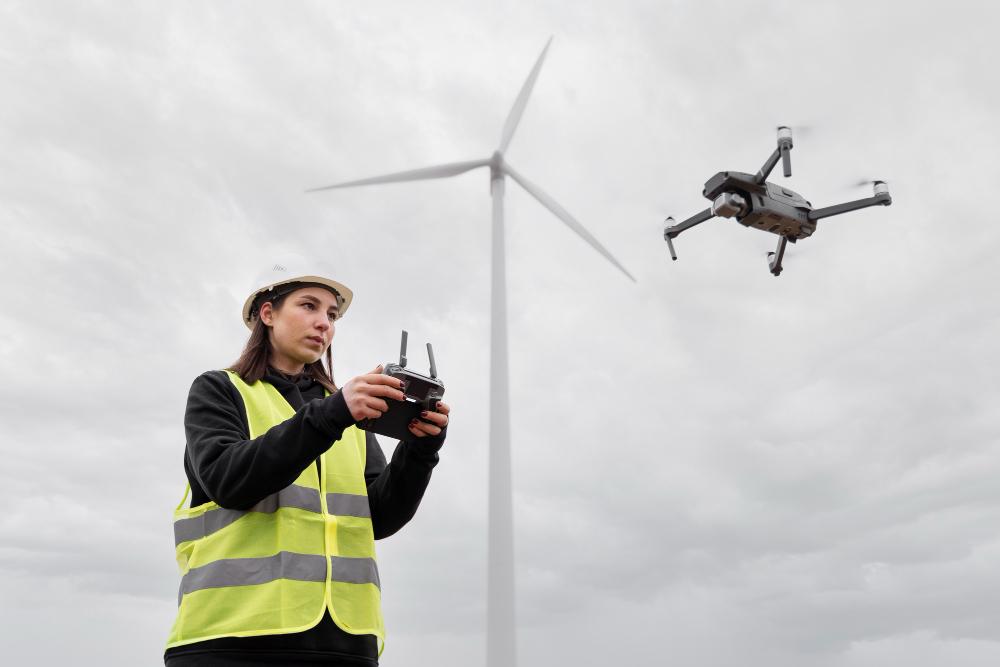
Oil and gas field does not forgive mistakes. Every effort counts and behind all that effort likes a truth-traditional inspections ask humans to do jobs which are slow and hazardous. So, the industry now asks a new question-is there a smarter way?
The answer is coming from above. Drones give oil and gas teams the type of visibility and precision that once felt out of reach. They help workers avoid danger and also help companies respond faster while also helping entire sector to operate with a great level of clarity.
The industry is under immense pressure to operate with sharper safety and a more responsible environmental oversight. Drone oil rig inspections are a practical and a reliable alternative. They offer access to places which humans cannot easily reach.
This blog explores how that shift happens and what modern UAV inspections look like in the actual world. The blog also shows the importance of enrolling into the right oil and gas certification courses.
What Happens During a Drone-Based Inspection?
A drone inspection does not just mean flying camera doing a quick sweet. Modern systems have compact data-collection platform in them. It is equipped with high-resolution zoom cameras, LiDAR for 3D structural mapping, multispectral sensors to monitor soil shifts and also vegetation health. Each flight has a pre-programmed route. The same asset can be captured from different angles over months or years.
After landing, the drone’s data is fed into analytics platform which convert raw imagery into insights like structural cracks, temperature leaks and vegetation creep. Such operations would need long convoys and also risky climbs earlier.
UAVs are Making the Biggest Dent
Take pipeline monitoring, for example. These lines run through farms, forests and villages. Human teams can’t always move safely or quickly here. A single drone flight can easily spot illegal tapping, erosion, missing markers and a lot more. This would take days of foot patrols and now it is covered in a few hours.
Another area where UAVs have changed the game is high-structure inspection. Drones capture close-up visuals of insulation, corrosion and a lot more without putting anyone at risk. Also, when it comes to leaks, drones with thermal and methane sensors help identify tiny anomalies that human eye could never catch. In emergencies, drones are an extra pair of eyes.
Why Software Matters More Than the Drone?
The actual magic happens after your drone lands. Modern analytics stitch thousands of images into maps. They build digital twins and also highlight corrosion automatically. They push insights directly into maintenance workflows. This shift from finding problems late to predicting them early is a significant one.
The bigger Picture
Drones are becoming essential infrastructure for oil and gas. They boost safety and cut drilling rig inspection costs. At the same time, they are prepared for AI-driven monitoring too. And that’s where Asiatic Energy helps. They equip professionals with the skills to understand UAV workflows. They prepare professionals for interpreting field data and working confidently around oil and gas industry. Explore more details about their rig inspection services today!

 English
 Arabic
 French
 Spanish
 Portuguese
 Turkish
 Dutch
Dutch
 Italiano
 Russian
 Romaian
 Portuguese (Brazil)
 Greek
Greek