


Building Inspection Guide for Safe Property Decisions
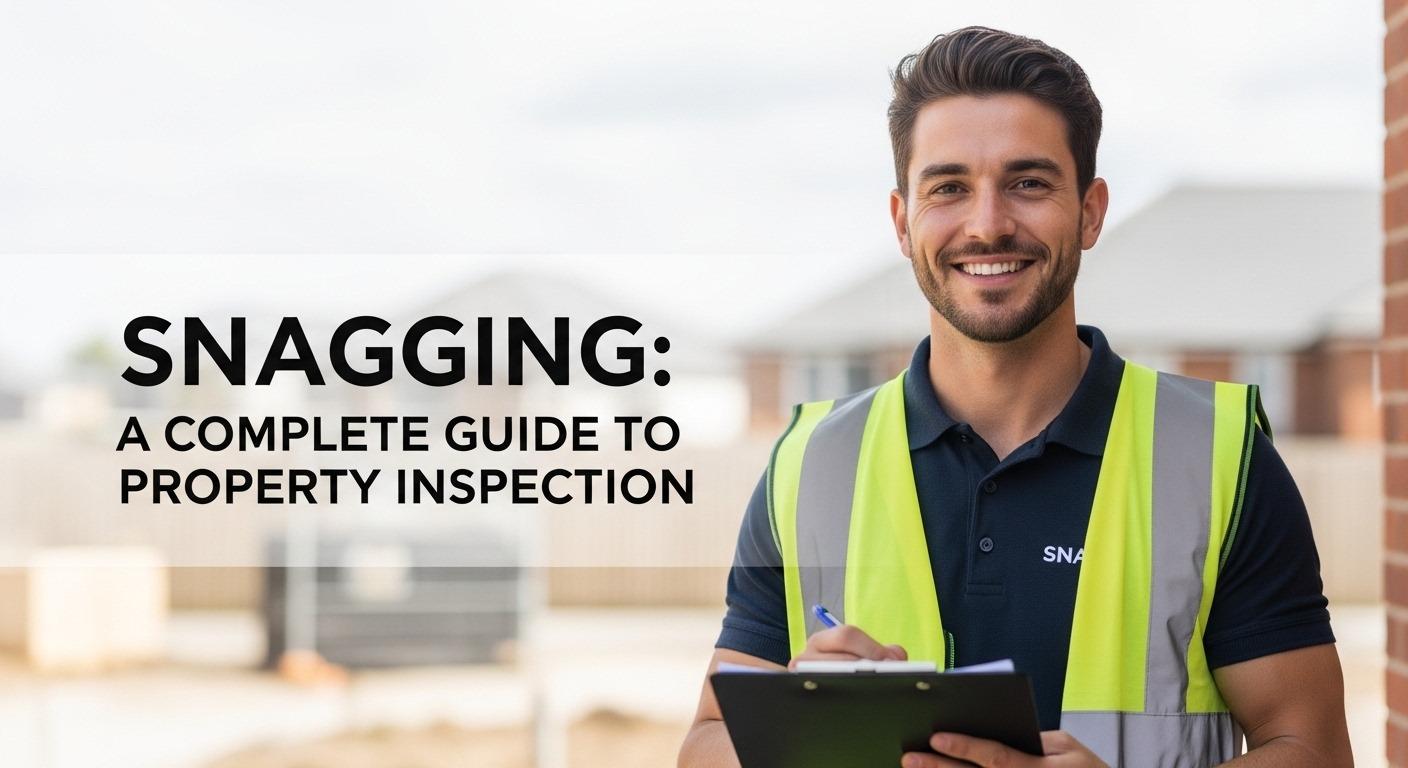
Buying or maintaining a property is a major responsibility that requires careful attention to detail. Whether you are purchasing a new home, investing in real estate, or managing an existing building, understanding its condition is essential. This is where building inspection becomes a crucial step.
Building inspection is a professional evaluation of a property’s condition. It helps identify structural issues, safety concerns, and maintenance requirements before they become serious problems. Without proper inspection, hidden defects can lead to costly repairs and long-term complications.
What is Building Inspection?
Building inspection is the process of thoroughly examining a structure to assess its current condition. This includes evaluating structural components, electrical systems, plumbing, and overall finishing quality.
The goal of building inspection is to provide a clear and detailed understanding of a property’s condition. It helps buyers, investors, and property owners make informed decisions and plan for maintenance or repairs if needed.
Building inspection is important for both new and existing properties. Even newly constructed buildings can have defects that are not immediately visible.
Why Building Inspection is Important
Building inspection plays a key role in protecting property buyers and owners from unexpected issues. A building may appear perfect on the surface, but underlying problems can affect its safety and usability.
One of the main benefits of inspection is early problem detection. Identifying issues at an early stage allows for timely repairs and prevents further damage. This can save both time and money in the long run.
Safety is another critical factor. Faulty electrical systems, plumbing leaks, or structural weaknesses can pose serious risks. A professional inspection ensures that the building is safe for occupants.
What Does a Building Inspection Include?
A comprehensive building inspection covers all major aspects of a property to ensure a complete evaluation.
Structural Assessment
Inspectors examine walls, ceilings, and floors for cracks, dampness, and uneven surfaces. This helps determine the building’s stability and strength.
Electrical Systems
All electrical components, including wiring, switches, and sockets, are tested to ensure they are functioning safely and efficiently.
Plumbing Systems
Plumbing is inspected for leaks, water pressure issues, and proper drainage. A well-functioning plumbing system is essential for daily use.
Doors and Windows
Doors and windows are checked for proper alignment and smooth operation. This affects security and insulation.
Ventilation and Cooling
Ventilation and cooling systems are evaluated to ensure proper airflow and comfort inside the building.
Interior and Exterior Finishing
Inspectors review paintwork, fixtures, and overall finishing quality both inside and outside the building.
Benefits of Building Inspection
Building inspection offers several advantages that make it an essential step for property buyers and owners.
Informed Decision Making
Inspection reports provide detailed insights into the condition of the property, helping individuals make confident decisions.
Cost Savings
Early identification of defects helps avoid expensive repairs in the future. Addressing problems at an early stage is more cost-effective.
Peace of Mind
Knowing that a building has been thoroughly inspected reduces uncertainty and ensures confidence in the property.
Better Negotiation
Inspection findings can be used to negotiate repairs or better terms when purchasing a property.
When Should You Conduct a Building Inspection?
Building inspection should be conducted before finalizing a property purchase. This ensures that any issues are identified while there is still time to address them.
Inspections are also important for existing property owners. Regular inspections help maintain the building’s condition and prevent long-term damage.
Additionally, inspections can be useful before renting out a property to ensure it is safe and ready for occupants.
How to Choose a Building Inspector
Choosing the right building inspector is essential for accurate and reliable results. A qualified inspector should have experience and knowledge of construction standards.
Look for someone who provides clear and detailed reports. Good communication and attention to detail are important qualities.
Using modern inspection tools is also beneficial, as it helps detect hidden defects that may not be visible during a basic inspection.
Common Issues Found During Building Inspection
Building inspections often reveal issues that are not immediately visible. Common problems include cracks in walls, uneven flooring, and poor finishing.
Electrical faults and plumbing leaks are also frequently identified. These issues can affect both safety and functionality.
In some cases, inspectors may find ventilation problems or inefficient cooling systems. Addressing these issues early helps prevent further complications.
Importance of the Inspection Report
The inspection report is a detailed document that outlines all findings from the inspection. It provides a clear summary of the building’s condition and highlights any areas that need attention.
This report helps buyers and property owners make informed decisions and take appropriate action. It also serves as a valuable reference for future maintenance.
A well-prepared report ensures transparency and helps avoid misunderstandings during property transactions.
FAQs
What is building inspection?
Building inspection is a professional evaluation of a property’s condition to identify defects and ensure safety.
Is building inspection necessary for new buildings?
Yes, even new buildings can have hidden defects that need to be addressed before use.
Can building inspection save money?
Yes, early detection of issues helps prevent costly repairs and maintenance in the future.
What does a building inspection cover?
It covers structural components, electrical systems, plumbing, ventilation, and overall finishing quality.
What should I do after receiving the inspection report?
You should review the report and address any issues before finalizing the purchase or using the property.
Conclusion
Building inspection is an essential step in ensuring the safety, quality, and value of a property. It provides a clear understanding of the building’s condition and helps identify potential problems before they become serious.
By conducting a thorough inspection, buyers and property owners can make informed decisions, reduce risks, and protect their investment. Whether you are purchasing a new property or maintaining an existing one, building inspection offers peace of mind and long-term benefits.

 English
 French
 Spanish
 Portuguese
 Deutsch
 Turkish
 Dutch
Dutch
 Italiano
 Russian
 Romaian
 Portuguese (Brazil)
 Greek
Greek