


How Seizure Detection Software Works: Algorithms, Accuracy, and Limitations
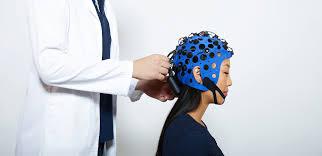
Seizure detection technology has become one of the most important innovations in modern neurology. As more clinicians and families rely on digital tools to monitor neurological conditions, the need for reliable solutions has increased dramatically. What used to require continuous bedside observation can now be supported through advanced eeg software designed to recognize electrical irregularities as they happen.
The shift toward automated monitoring is driven by several factors: rising epilepsy diagnosis rates, the pressure on clinicians to manage more patients with fewer resources, and advancements in cloud computing and machine learning. Together, these developments have positioned seizure detection software as an essential part of today’s neurotech landscape.
Why Automated Seizure Detection Is Becoming Essential
Traditional monitoring required medical professionals to visually inspect EEG waveforms for abnormalities. This process is time-consuming and requires highly trained specialists, making it difficult to scale. Automated tools address these challenges by analyzing electrical activity in real time and flagging patterns that may indicate a seizure.
Many hospitals rely on eeg software to monitor patients continuously, especially those in intensive care or post-surgical environments. The benefit is consistency, speed, and the ability to detect events that might be missed during manual review. For families at home, seizure detection software provides a layer of safety and reassurance, especially when paired with wearable or remote monitoring devices.
Another reason demand is rising is the shift toward value-based care. When providers demonstrate improved outcomes and reduced emergency interventions, automated seizure monitoring can play a meaningful role in meeting clinical performance standards.
How Detection Algorithms Interpret EEG Patterns
At the core of any seizure detection system is the algorithm. These models examine electrical activity in the brain and compare it to known patterns associated with seizure events. While each platform uses its own method, most rely on a combination of:
-
Spike detection and frequency analysis
Many algorithms monitor the transition from normal oscillations to rapidly repeating spikes. This change often marks the beginning of seizure activity. The system evaluates amplitude, rhythmic behavior, and sudden shifts to make its determination. -
Machine learning classification models
Some tools use neural networks trained on thousands of EEG recordings. These models learn the difference between typical neurological activity and seizure-related patterns, becoming more accurate over time. The benefit is high adaptability to different patient profiles. -
Artifact filtering
Movement, blinking, and muscle tension can distort EEG readings. An effective seizure detection algorithm includes preprocessing steps to filter out noise and keep the signal clean. This improves accuracy and reduces the number of false alerts.
Advanced eeg software often uses a hybrid approach, combining mathematical modeling with deep learning. This creates a system that is more responsive to subtle variations in patient data while maintaining consistent performance across diverse use cases.
False Positives vs True Positives — Key Accuracy Factors
No technology is perfect, and seizure detection software is no exception. Understanding what influences accuracy helps clinicians choose solutions that fit their needs.
A false positive occurs when the system detects a seizure where none exists. These often result from movement, poor electrode contact, or signal interference. While false positives are inconvenient, they may still provide helpful insights about signal quality or patient behavior.
A true positive, on the other hand, correctly identifies a seizure event. The goal of any automated system is to maximize these detections while minimizing unnecessary alerts. Factors that affect performance include:
-
The quality of EEG electrodes, placement, and contact
-
The volume of training data used to build the algorithm
-
The patient’s age, neurological condition, and comorbidities
-
The device’s sampling rate and filtering capabilities
Clinicians often compare multiple systems, evaluating sensitivity, specificity, and response time. Because each tool is designed with different priorities, the right choice depends on the clinical setting and monitoring objectives.
Cloud, Wearable, and Implantable Seizure Detection Options
Seizure detection solutions are now available in multiple forms, ranging from hospital-grade equipment to everyday wearables. The variety ensures that monitoring can continue regardless of environment.
-
Cloud-based EEG monitoring
Large hospitals and research institutions favor cloud-connected systems. These platforms store EEG data securely off-site and enable automated seizure detection across multiple departments. Clinicians receive alerts in real time, improving response times and workflow efficiency. -
Wearable seizure detection devices
Wristbands, headsets, and sensor patches allow patients to be monitored outside clinical environments. They use miniature electrodes or accelerometers to detect abnormal movements or electrical changes. Wearables are ideal for long-term monitoring, especially for people with unpredictable seizure activity. -
Implantable monitoring technology
Implantable solutions provide highly accurate readings because they sit close to neural activity. These devices can detect seizure onset earlier and with more precision, although they require surgery and ongoing clinical oversight.
Automated seizure monitoring systems often integrate with seizure detection software to deliver a complete solution for patient care. This creates a seamless workflow for clinicians and an added layer of safety for patients and caregivers.
Regulatory Considerations for Clinical Adoption
Any system used for clinical decision-making must meet strict regulatory requirements. In the United States, seizure detection software designed for medical use generally falls under the FDA’s oversight. This includes verification of algorithm performance, safety, and the accuracy of real-time alerts.
Clinical validation trials are also essential. These studies evaluate how well the system performs compared to expert neurologists. Hospitals often review peer-reviewed research or FDA documentation when determining whether a tool meets their needs.
Another important factor is data security. Because cloud systems store sensitive neurological information, compliance with HIPAA and other privacy guidelines is mandatory. Many vendors offer encrypted communication, secure cloud storage, and anonymized data processing to meet these standards.
What Innovation Looks Like in 2025 and Beyond
The future of seizure detection is shaped by advances in AI and neurotechnology. Research groups and commercial developers are pursuing several promising directions:
-
Multimodal monitoring
Combining EEG data with heart rate, movement sensors, and oxygen saturation readings could dramatically increase accuracy. Systems that merge these signals can identify seizures earlier and reduce false positives. -
Predictive seizure analysis
Instead of only detecting seizures after they begin, researchers are developing models to forecast events minutes or hours ahead. This would transform how patients manage their condition and give clinicians more time to intervene. -
Scalable remote monitoring systems
As telemedicine expands, automated seizure monitoring must support large networks of patients. Cloud architecture and lightweight algorithms are enabling broader adoption without sacrificing accuracy.
Innovation is moving quickly, and eeg software will continue to evolve as computing power grows and data becomes more available. For clinicians and families, this means better tools, more reliable alerts, and continuous improvements in patient outcomes.
Conclusion
Seizure detection technology plays a critical role in modern neurological care. By interpreting EEG patterns in real time, it supports early intervention, reduces the burden on medical staff, and provides safer monitoring for patients at home. As automated seizure monitoring becomes more advanced, clinicians will have access to solutions that improve accuracy, reduce false alerts, and support long-term treatment plans.
Whether implemented through cloud systems, wearables, or implantable devices, seizure detection software will continue shaping the next generation of neurological care. With ongoing advancements in machine learning and algorithm design, the future promises more precise, accessible, and proactive seizure management tools for patients across all settings.

 English
 Arabic
 French
 Spanish
 Portuguese
 Deutsch
 Turkish
 Dutch
Dutch
 Italiano
 Russian
 Portuguese (Brazil)
 Greek
Greek