


Scalp Pigmentation: A Complete Guide for Thinning Hair
Thinning hair is a common concern that affects both men and women at different stages of life. It can develop gradually and often feels frustrating because it changes how people see themselves and how confident they feel in daily interactions. Genetics, hormonal changes, stress, aging, and lifestyle factors all play a role in reduced hair density. While some individuals consider surgical options, many prefer treatments that are non-invasive and require little downtime. Today, advanced cosmetic solutions focus on creating the appearance of fuller hair rather than altering the body's natural structure. These modern techniques are designed to look natural, suit different hair types, and fit into busy lifestyles. One such approach has gained attention for its ability to visually improve thinning areas while maintaining a realistic look. Understanding how these treatments work helps individuals make informed decisions and select an option that aligns with their expectations and long-term goals.
What Is Scalp Pigmentation and How It Works
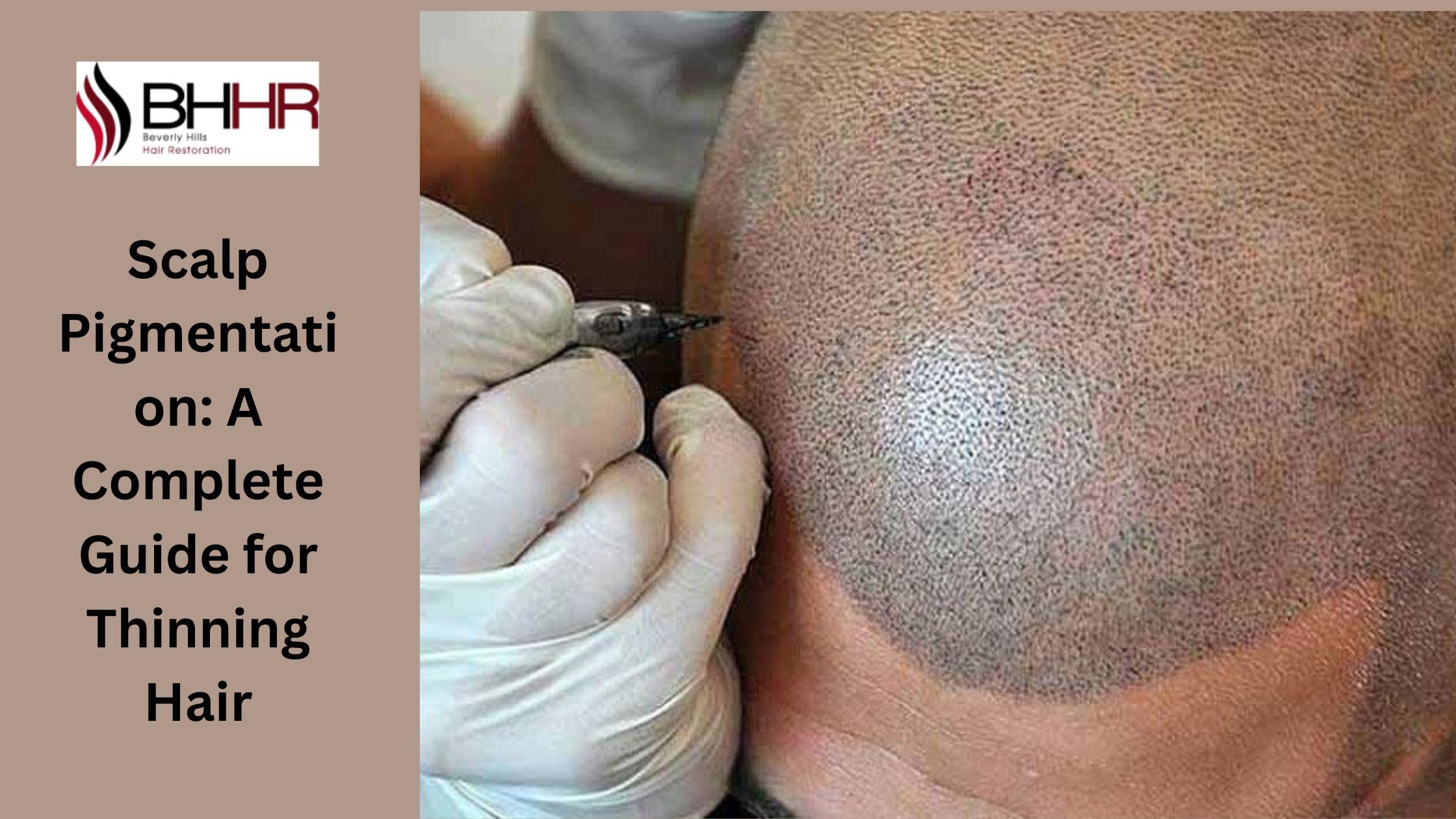
Scalp pigmentation is a non-surgical cosmetic technique designed to replicate the appearance of tiny hair follicles on the scalp. Using specialized pigments and precise application methods, practitioners create small, layered impressions that blend seamlessly with existing hair. The result is the illusion of increased density in thinning areas or a more defined hairline. The pigments are carefully matched to the customer's natural hair color and skin tone, ensuring subtle and realistic results. Unlike temporary solutions such as hair fibers or concealers, this method is long-lasting and resistant to sweat or daily activities. The procedure does not involve cutting or implanting hair, making it suitable for people who want a low-maintenance alternative. When performed by trained professionals, the outcome looks natural even up close, helping individuals feel more confident in both casual and professional settings.
Common Causes of Thinning Hair and Who Can Benefit
Hair thinning can occur for many reasons, and understanding the cause helps determine whether cosmetic enhancement is a suitable option. Genetics is one of the most common factors, often leading to gradual density loss over time. Hormonal changes, especially related to aging, can also weaken hair follicles. Stress, nutritional deficiencies, and certain medical conditions may further contribute to thinning. People who experience diffuse thinning, visible scalp areas, or uneven hairlines often look for solutions that improve appearance without surgery. Scalp pigmentation works well for individuals who still have some hair but want to reduce the contrast between hair and scalp. It is also beneficial for those who prefer a clean, uniform look or want to enhance the visual impact of existing treatments. Because it is customizable, the approach can be adapted to different patterns and stages of hair thinning.
Benefits of a Non-Surgical Approach for Thinning Hair
One of the main advantages of this cosmetic treatment is its non-invasive nature. There are no incisions, stitches, or long recovery periods involved, making it appealing to people with active lifestyles. Sessions are relatively short, and most people can return to normal activities quickly. Another benefit is consistency—results do not depend on daily application or special products. The appearance remains stable in different weather conditions and lighting. The treatment is also versatile, working well for various hair colors and skin tones when performed correctly. For those hesitant about surgical procedures, this option offers a way to improve appearance with minimal commitment. Scalp pigmentation can also complement other hair restoration methods by enhancing overall density and definition, creating a balanced and natural look that boosts self-confidence.
What to Expect During the Treatment Process
The procedure typically begins with a detailed consultation to assess hair loss patterns, skin tone, and desired outcomes. A customized plan is then created to ensure natural-looking results. During the procedure, specialized equipment is used to apply pigment in tiny, controlled impressions across thinning areas. Sessions are usually spaced out to allow gradual layering and proper healing. Mild redness may occur instantly after treatment, but it generally fades within a short time. There is minimal discomfort, and no anesthesia is usually required. Over multiple sessions, the appearance becomes more refined as density is built up carefully. Proper aftercare, such as avoiding intense sun exposure initially, helps maintain the quality of the results. The entire experience is designed to be comfortable, precise, and tailored to individual needs.
Results, Longevity, and Aftercare
Results from this treatment are designed to look natural and balanced, enhancing the overall appearance of the scalp without drawing attention to the procedure itself. Once completed, the effect can last for several years, mainly depending on skin type, lifestyle, and sun exposure. Some gradual fading may occur over time, which is normal and can be addressed with touch-up sessions if desired. Aftercare plays an important role in maintaining results. Using gentle scalp products, protecting the area from prolonged sun exposure, and following professional guidance helps preserve pigment clarity. Unlike temporary cosmetic fixes, this solution offers a consistent appearance that does not require daily effort. Scalp pigmentation provides a long-term visual improvement, helping individuals feel comfortable and confident in their look.
Why Choose Professional Care at BHHR In Palm Desert
Choosing an experienced clinic is essential for achieving natural and satisfying results. At BHHR in palm desert, clients receive personalized care tailored to their hair type, scalp condition, and aesthetic goals. The clinic focuses on precision, safety, and realistic outcomes rather than one-size-fits-all solutions. By combining advanced techniques with a deep understanding of facial and scalp aesthetics, the team ensures that results blend seamlessly with existing hair. Professional guidance, attention to detail, and a client-focused approach make a significant difference in overall satisfaction. For those exploring cosmetic solutions for thinning hair, working with trained specialists helps ensure that the final appearance looks refined, balanced, and confidence-boosting without appearing artificial.
Conclusion
Thinning hair does not have to define how you feel about your appearance. With modern, non-surgical options available, individuals can enhance their look in a subtle and natural way. By understanding the process, benefits, and long-term expectations, it becomes easier to select the best solution that aligns with personal preferences and lifestyle. When performed by skilled professionals, this approach offers a reliable way to improve visual density and restore confidence without invasive procedures.

 English
 Arabic
 French
 Spanish
 Portuguese
 Deutsch
 Turkish
 Dutch
Dutch
 Russian
 Romaian
 Portuguese (Brazil)
 Greek
Greek