


How a Manuscript Preservation Centre Supports Research in India
The Role of a Manuscript Preservation Centre
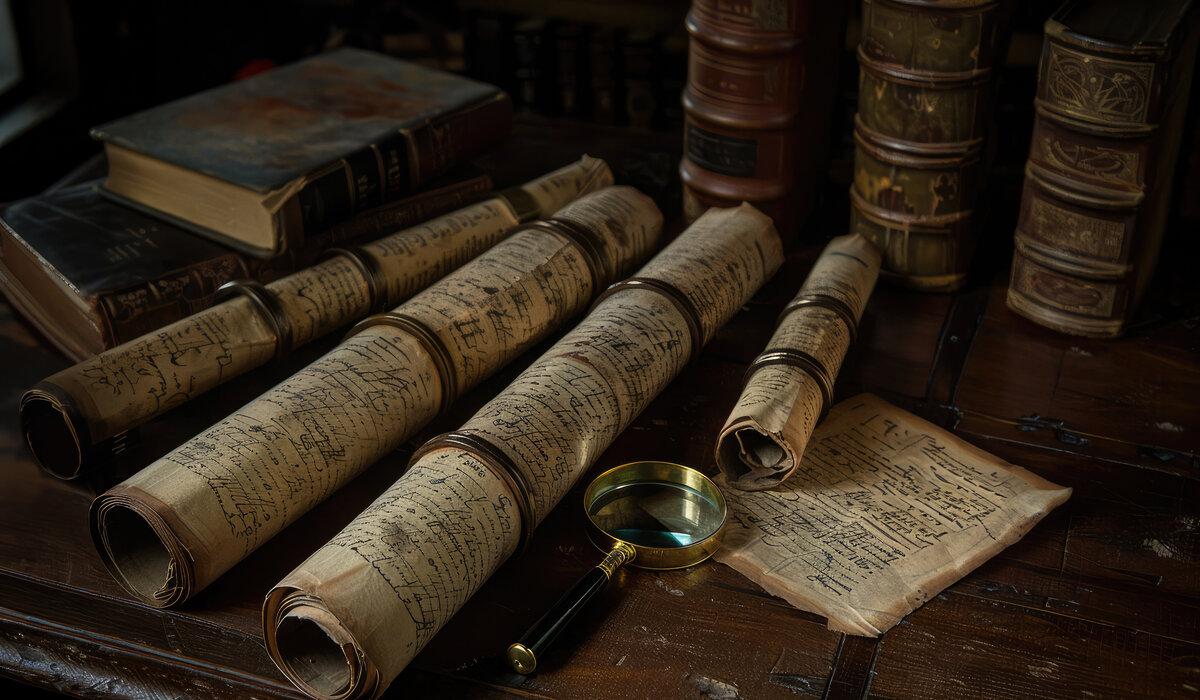
India’s cultural and intellectual history spans thousands of years, preserved not only through monuments and traditions but also through ancient texts that hold immense value. These texts — written on palm leaves, birch bark, handmade paper, and cloth — contain knowledge on philosophy, medicine, arts, mathematics, astronomy, spirituality, and regional history. Safeguarding these treasures is the mission of every manuscript preservation centre, where experts work tirelessly to protect manuscripts from decay, loss, and damage.
As these ancient materials face natural deterioration, the importance of establishing reliable preservation systems becomes more urgent. Today, manuscript conservation is not just a scholarly pursuit — it is a national responsibility. Institutions such as a manuscriptology centre India and cultural organisations like the Braj Heritage Institute play a significant role in conserving this invaluable heritage.
Why Manuscript Preservation Matters
India possesses one of the largest collections of handwritten manuscripts in the world. These ancient records provide crucial insight into the country’s spiritual, cultural, scientific, and linguistic evolution. However, many manuscripts are fragile, exposed to environmental hazards, or stored improperly, resulting in their gradual deterioration.
A dedicated manuscript preservation centre ensures these historical documents are catalogued, restored, digitised, and stored securely. Such centres protect manuscripts not just as cultural artifacts but as knowledge systems that can continue to serve researchers, historians, linguists, and students for generations.
The Vital Role of a Manuscript Preservation Centre
A well-equipped manuscript preservation centre performs several important functions:
1. Conservation and Restoration
Specialists treat manuscripts affected by fungal growth, insects, fading ink, or brittle surfaces. Techniques like deacidification, fumigation, and leaf repair help restore documents without damaging their original form.
2. Scientific Storage Methods
Manuscripts are stored in climate-controlled rooms with optimal humidity and temperature to prevent decay. Acid-free boxes, protective cases, and non-invasive binding techniques help extend their life.
3. Cataloguing and Classification
Every manuscript is recorded systematically based on language, subject, script, date, and physical condition. This structured database supports research and prevents confusion or loss.
4. Digitisation for Long-Term Access
Digitisation is a crucial service offered by modern centres. Manuscripts are scanned and preserved in digital formats, ensuring access even if the original deteriorates.
5. Research and Training Initiatives
A manuscript preservation centre often collaborates with scholars and universities to promote studies in palaeography, conservation science, and manuscript interpretation.
Manuscriptology Centres in India: Keeping Knowledge Alive
A manuscriptology centre India is dedicated to the academic study of manuscripts. While a preservation centre focuses on protection and restoration, a manuscriptology centre dives deeper into interpreting, analyzing, and translating these age-old texts.
Such centres offer:
- Training programs in manuscript reading (scripts like Devanagari, Grantha, Sharada, Modi, Brahmi, and more)
- Courses in palaeography and archival research
- Workshops on traditional book-making methods
- Collaborative projects with universities and libraries
These centres ensure that scholars not only preserve manuscripts but also understand their cultural and intellectual significance. Their work creates a bridge between the past and present, allowing ancient wisdom to be relevant in modern times.
Braj Heritage Institute: A Pillar of Cultural Conservation
The Braj Heritage Institute plays an important role in preserving the cultural and literary heritage of the Braj region, known for its spiritual legacy associated with Lord Krishna. The institute is involved in:
- Identifying rare manuscripts related to Braj’s traditions
- Supporting conservation and restoration initiatives
- Promoting research on ancient knowledge systems
- Creating museum-quality exhibitions to showcase manuscripts and artifacts
- Organizing cultural and educational programs
Their efforts contribute significantly to manuscript preservation, especially in safeguarding texts related to Vaishnava traditions, folklore, regional history, and devotional literature.
The collaboration between the Braj Heritage Institute, manuscript preservation centres, and academic manuscriptology institutions strengthens India’s overall heritage conservation ecosystem.
Challenges in Manuscript Preservation
Despite progress, many challenges remain:
- Lack of awareness
Many manuscripts are still kept in personal homes where they are vulnerable to damage. - Environmental risks
Humidity, insects, and improper storage can destroy manuscripts quickly. - Shortage of trained conservators
India needs more experts trained in traditional and scientific preservation techniques. - Funding limitations
High-quality conservation and digitisation require substantial resources.
A manuscript preservation centre aims to address these challenges through community involvement, government support, and modern conservation technologies.
The Future of Manuscript Preservation in India
As awareness grows, more institutions are adopting digital archiving, scientific restoration, and professional cataloguing. Collaboration between a manuscript preservation centre, a manuscriptology centre India, and cultural bodies like the Braj Heritage Institute will strengthen India’s ability to protect its vast heritage.
In the future, we can expect:
- AI-assisted manuscript reading and restoration
- More public access to digitised collections
- International collaborations for conservation research
- Increased preservation training programs
These developments will not only protect rare manuscripts but also make them accessible to scholars worldwide.
Conclusion
A manuscript preservation centre stands as a guardian of India’s timeless wisdom. Working alongside a manuscriptology centre India and culturally committed institutions like the Braj Heritage Institute, these centres ensure that ancient manuscripts — symbols of India’s intellectual, artistic, and spiritual brilliance — remain preserved for future generations. Through restoration, digitisation, research, and education, they keep the voice of history alive and accessible.

 English
 Arabic
 French
 Spanish
 Portuguese
 Deutsch
 Turkish
 Dutch
Dutch
 Italiano
 Russian
 Romaian
 Portuguese (Brazil)